🎬 Oliver & Company (1988)
Based on novel
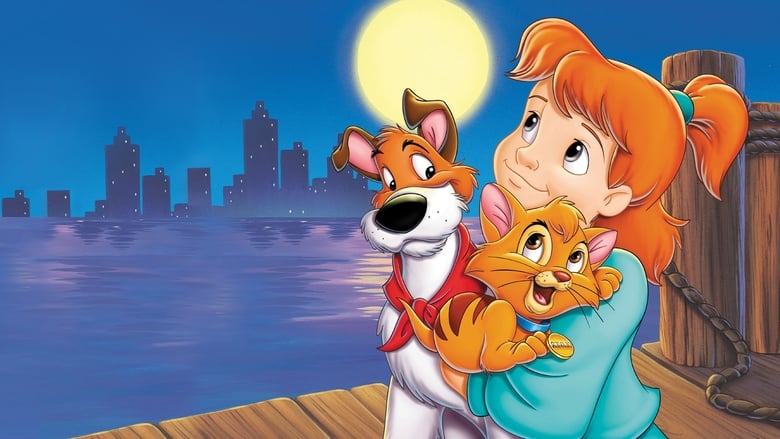
Disney's 1988 animated musical comedy-drama "Oliver & Company" takes the classic Charles Dickens novel "Oliver Twist" and gives it a whimsical, canine-centric makeover, transplanting the story from 19th-century London to the bustling, neon-lit streets of 1980s New York City. The film reimagines the orphan Oliver as a homeless kitten, and Fagin's gang of pickpockets becomes a lovable crew of streetwise dogs, led by the charismatic Dodger. The villainous Bill Sikes is transformed into a ruthless loan shark named Sykes, whose henchmen are a pair of Doberman Pinschers. This adaptation retains the core themes of survival and found family, but swaps the novel's grim social commentary for a lighter, more family-friendly tone, complete with pop songs and comedic antics.
The film's production history is marked by a significant shift in Disney's animation approach. Conceived after a pitch meeting in the mid-1980s, the idea to adapt "Oliver Twist" with dogs was quickly approved by Michael Eisner and Jeffrey Katzenberg. The studio rushed the film into production, with a talented team of 300 artists and technicians working for two and a half years. The film's style reflects the influence of contemporary animation, using a blend of traditional hand-drawn animation and early computer-generated imagery for backgrounds and vehicles, giving it a distinctive look that captures the gritty yet vibrant New York City setting.
"Oliver & Company" was released on November 18, 1988, alongside "The Land Before Time." It received mixed reviews from critics, who praised its colorful animation and voice cast—including Billy Joel as the voice of Dodger and Bette Midler as the pampered poodle Georgette—but criticized its deviation from the source material's depth. Despite the mixed critical reception, the film was a commercial success, becoming the highest-grossing animated film of 1988. It has since earned a nostalgic following, remembered for its catchy soundtrack and its role in bridging the gap between Disney's classic era and the Renaissance that would follow with "The Little Mermaid" in 1989.

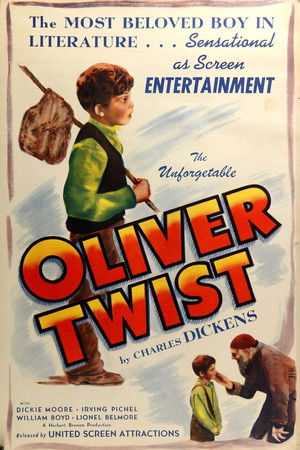
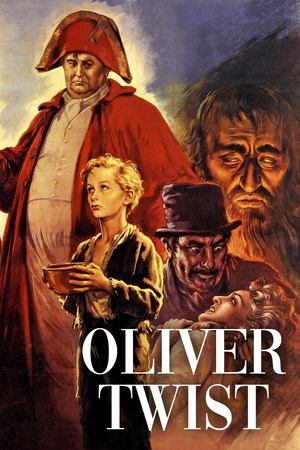
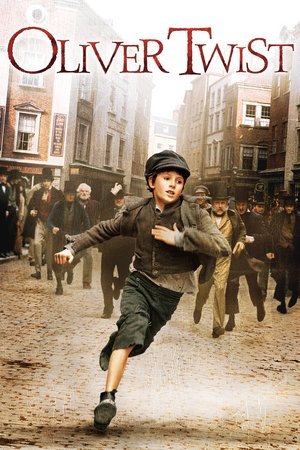
Oliver Twist, or The Parish Boy's Progress, is the second novel by English author Charles Dickens. It was first published as a serial from 1837 to 1839 in the magazine Bentley's Miscellany, and then as a three-volume book in 1838. The novel tells the story of the orphan Oliver Twist, who endures a harsh upbringing in a workhouse, is sold into apprenticeship, and eventually escapes to London, where he becomes entangled with a gang of juvenile pickpockets led by the conniving Fagin. Through a series of adventures, Oliver discovers his true identity and finds a family.
The novel is an early example of the social novel, satirizing the cruel treatment of orphans, child labor, and the criminal underworld of 19th-century England. Dickens drew on his own difficult childhood experiences and the reported case of a child laborer to lend authenticity to Oliver's plight. The character of Fagin became one of Dickens's most memorable villainous creations, while Nancy's moral complexity added depth.
Oliver Twist has been highly influential in literature and popular culture, helping to raise awareness about social injustices. Its vivid characters and dramatic narrative have made it a favorite for stage and screen adaptations. The novel remains a staple of English literature, studied for its themes of poverty, class, and redemption.