🎬 Lupin the Third: Goodbye Partner (2019)
Part of Lupin the Third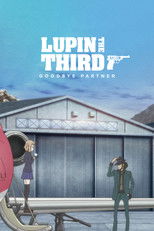
Lupin the Third: Goodbye Partner is the twenty-sixth television special in the long-running Lupin the Third anime franchise, which itself is based on Monkey Punch's iconic 1967 manga series. Airing on January 25, 2019, this special holds a unique place in the franchise's history as the final Heisei-era Lupin special, released just months before the Japanese imperial transition to the Reiwa era. It was also the last special to debut during the lifetime of creator Monkey Punch, who passed away in April of that same year. Directed by Jun Kawagoe, the story takes a personal turn when Inspector Zenigata is framed as the mastermind behind Lupin's crimes, forcing the thief into a high-stakes plot involving a quantum supercomputer and a betrayal by his closest ally, Daisuke Jigen. The emotional core of the narrative revolves around Jigen's potential fatherhood, adding a layer of character drama rarely explored so directly in the series.
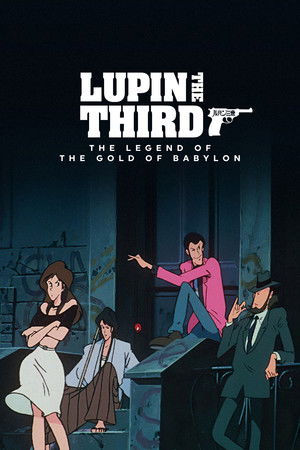
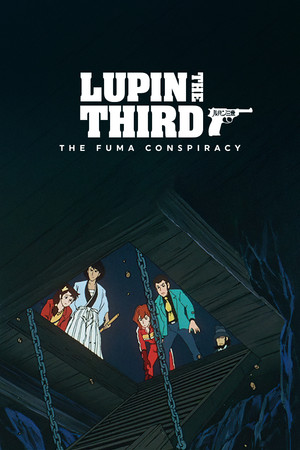
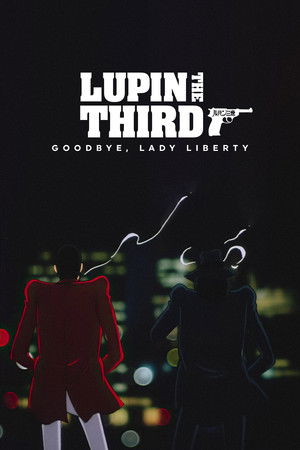
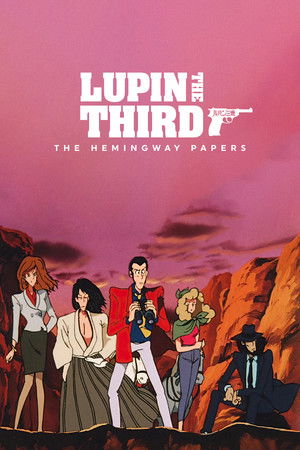
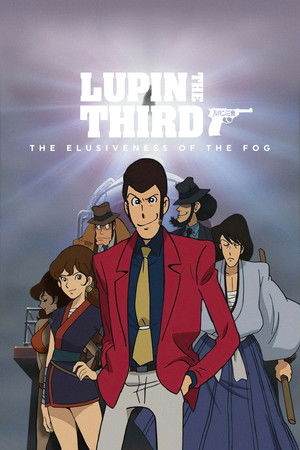
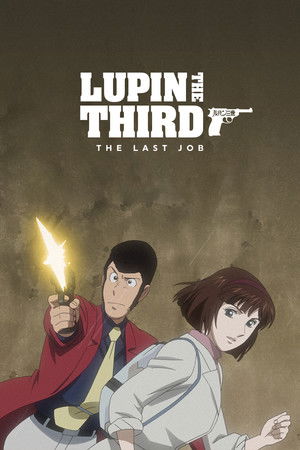
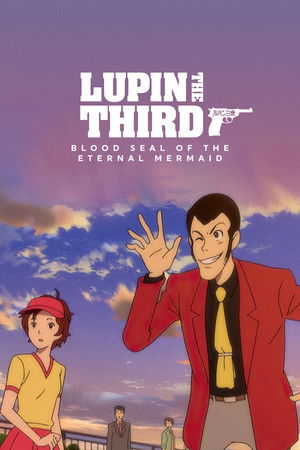
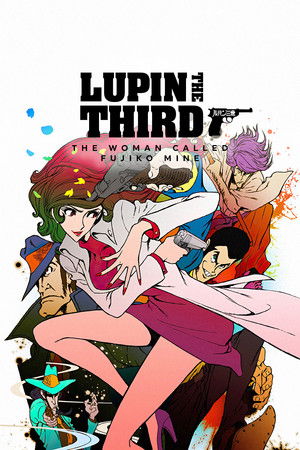
The special is part of the expansive Lupin the Third Collection, which encompasses decades of films, series, and television specials that have adapted and expanded upon Monkey Punch's original creation. While the manga debuted in 1967 with a grittier, more adult tone, the anime adaptations—beginning with the first television series in 1971—gradually shaped Lupin into a more globally recognized, family-friendly rogue. Goodbye Partner continues this tradition, blending the franchise's signature mix of comedy, action, and globe-trotting heist thrills with a more contemporary animation style. The plot's focus on a quantum computer and the 'Time Crystal' diamond reflects the series' long-standing fascination with blending old-school capers with futuristic technology.
One of the most notable aspects of Goodbye Partner is its exploration of the bond between Lupin and Jigen, a relationship that has been the bedrock of the franchise since its earliest days. The idea that Jigen might have a daughter, Alisa Cartwright, introduces a rare moment of vulnerability for the typically stoic gunman. This personal stake elevates the conflict beyond a simple treasure hunt, forcing the characters to confront loyalty and legacy. The special also features the usual standout elements of a Lupin production, including a jazzy score that echoes Yuji Ohno's classic compositions and the beloved voice cast that has become synonymous with the characters over the years. As a transitional piece between eras, Goodbye Partner serves as both a fitting farewell to a chapter of the franchise's history and a testament to the timeless appeal of Monkey Punch's gentleman thief.
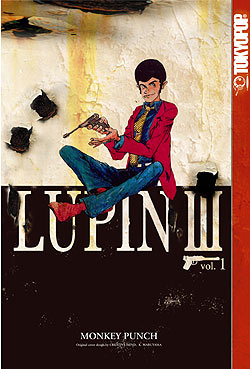
Lupin III is a Japanese manga series written and illustrated by Monkey Punch. It was serialized in Futabasha's Weekly Manga Action magazine from August 10, 1967, to May 22, 1969, with additional chapters appearing sporadically until 1972. The series follows the adventures of Arsène Lupin III, the grandson of Maurice Leblanc's gentleman thief Arsène Lupin, as he travels the globe pulling off elaborate heists alongside his partners: the crack-shot Daisuke Jigen and the stoic swordsman Goemon Ishikawa XIII. They are frequently pursued by the dogged Inspector Koichi Zenigata of Interpol, and Lupin's schemes are often complicated by his love-hate relationship with the alluring femme fatale Fujiko Mine.
The manga is known for its blend of action, comedy, and noir-inspired storytelling, with a distinctly adult tone that set it apart from many of its contemporaries. Monkey Punch's dynamic, cartoonish art style and the series' irreverent humor helped establish Lupin III as a cornerstone of Japanese pop culture. The 129 original chapters were collected into 14 tankōbon volumes, and the series has since spawned numerous sequel manga, spin-offs, and one-shots by various creators.
Lupin III's cultural significance is immense, having launched one of the most enduring and beloved media franchises in Japan. Its influence extends across generations, inspiring a long-running anime series, annual television specials, theatrical films, video games, and even a musical. The character of Lupin III has become an iconic figure, representing a rakish, anti-hero archetype that continues to resonate with audiences worldwide.

Lupin the Third is a long-running Japanese media collection centered on the exploits of Arsène Lupin III, the grandson of Maurice Leblanc's gentleman thief. Created by the artist Monkey Punch in 1967 as a manga series, the property quickly evolved into a genre-defying institution spanning television anime, theatrical films, television specials, OVAs, and video games. The core appeal lies in the chemistry of its central ensemble: the irrepressible and endlessly inventive Lupin, the sharp-shooting Daisuke Jigen, the stoic swordsman Goemon Ishikawa XIII, the alluring and treacherous Fujiko Mine, and the dogged Inspector Zenigata, whose pursuit of Lupin is as much a personal obsession as a professional duty. Together, they form a dynamic that has allowed the series to explore a vast spectrum of tones, from slapstick comedy and lighthearted caper to hard-boiled noir and psychological drama.
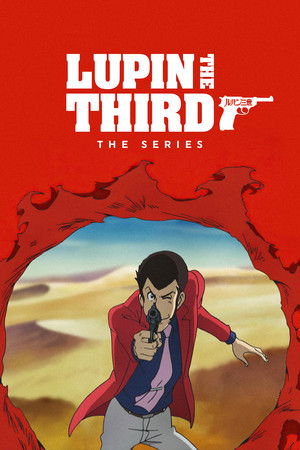
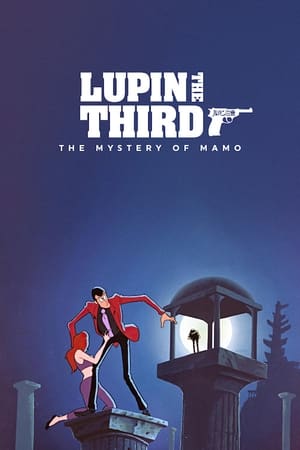
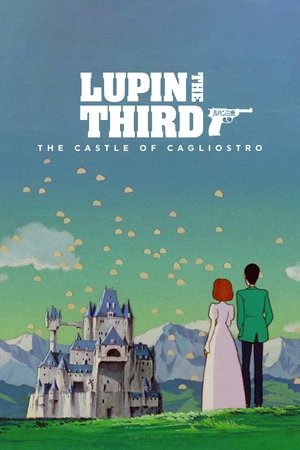
The collection's remarkable adaptability is a key to its longevity. Hayao Miyazaki's 1979 film *The Castle of Cagliostro* presented a softer, more chivalrous version of the character, influencing animated adventure storytelling worldwide. In contrast, the 1978 film *The Mystery of Mamo* delved into psychedelic paranoia and existential themes. This narrative flexibility has been sustained across decades of annual television specials, which began in 1989 and continue to this day, offering self-contained adventures that place the characters in a variety of global settings and high-stakes scenarios. The television series itself has undergone several reinventions, with each new part—from the iconic red jacket of the second series to the more recent adventures set in Italy and France—reintroducing the gentleman thief to a new generation while maintaining the core spirit of the original manga.
The cultural significance of Lupin the Third extends beyond its home country, establishing it as a globally recognized ambassador for stylish, jazz-scored escapism. The collection has consistently balanced a sense of timeless cool with creative reinvention, allowing it to remain relevant for over half a century. In the 21st century, the property has expanded into darker, more adult-oriented territory with the *Lupin the IIIrd* film series, which pushes its animation and psychological depth to new extremes, while simultaneously delighting audiences with lighter, self-contained television specials. Across its many iterations, the collection remains a testament to the enduring appeal of a perfect character dynamic and the thrill of the chase, proving that the greatest treasure is often the adventure itself.