🎬 Lupin the Third: Italian Game (2016)
Part of Lupin the Third
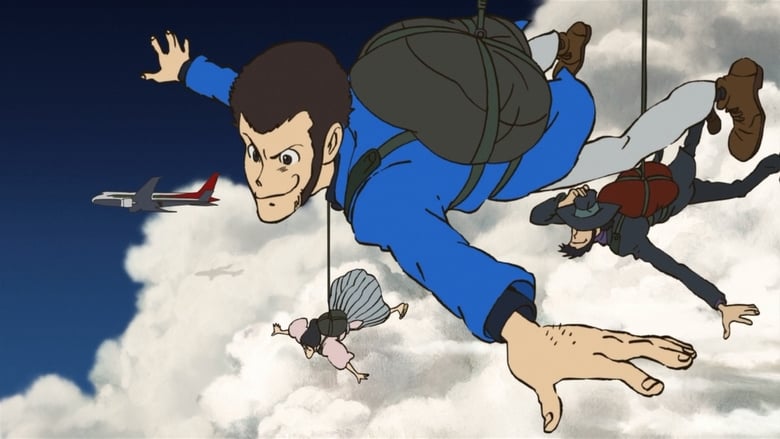
Lupin the Third: Italian Game is a 2016 Japanese animated television film that serves as a feature-length companion piece to the 2015 anime series Lupin the Third Part IV. The film is a unique hybrid, combining newly produced animation with extended and re-edited sequences from the television series, specifically focusing on the show's opening Italian-set story arc. It weaves together the series' first episode, 'The Wedding of Lupin the Third,' and the climactic 'The Dream of Italy' arc, adding a new framing device and additional scenes to create a cohesive standalone narrative.
The plot centers on Lupin III receiving a challenge tied to a mysterious item known as the 'Italian Game,' which draws him, Jigen, and Goemon into a complex web of intrigue involving a kidnapped heiress, a powerful media mogul, and a shadowy organization with deep roots in Italy's history. The film deepens the mystery surrounding the character of Rebecca Rossellini, the heiress who becomes Lupin's wife in a sham marriage, and explores the manipulative schemes of the MI6 agent Nyx. While much of the footage is lifted directly from the TV series, the new material provides additional context and a more streamlined conclusion to the arc.
As a spin-off film from the critically acclaimed Part IV, Italian Game was broadcast on Nippon TV and later released internationally on home video. It is notable for being the first Lupin III television film since 2009's Lupin the Third vs. Detective Conan. The film retains the stylish, Mediterranean-infused aesthetic of the Part IV series, characterized by its vibrant color palette, sleek character designs, and a jazzy score that pays homage to the franchise's roots. It serves both as a recap for fans of the series and an accessible entry point for newcomers curious about the modern Lupin III continuity.

Lupin the Third is a long-running Japanese media collection centered on the exploits of Arsène Lupin III, the grandson of Maurice Leblanc's gentleman thief. Created by the artist Monkey Punch in 1967 as a manga series, the property quickly evolved into a genre-defying institution spanning television anime, theatrical films, television specials, OVAs, and video games. The core appeal lies in the chemistry of its central ensemble: the irrepressible and endlessly inventive Lupin, the sharp-shooting Daisuke Jigen, the stoic swordsman Goemon Ishikawa XIII, the alluring and treacherous Fujiko Mine, and the dogged Inspector Zenigata, whose pursuit of Lupin is as much a personal obsession as a professional duty. Together, they form a dynamic that has allowed the series to explore a vast spectrum of tones, from slapstick comedy and lighthearted caper to hard-boiled noir and psychological drama.
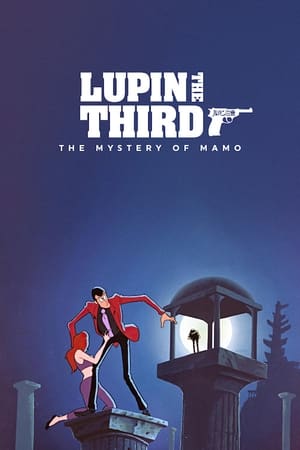
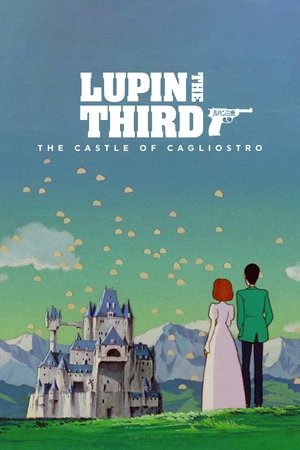
The collection's remarkable adaptability is a key to its longevity. Hayao Miyazaki's 1979 film *The Castle of Cagliostro* presented a softer, more chivalrous version of the character, influencing animated adventure storytelling worldwide. In contrast, the 1978 film *The Mystery of Mamo* delved into psychedelic paranoia and existential themes. This narrative flexibility has been sustained across decades of annual television specials, which began in 1989 and continue to this day, offering self-contained adventures that place the characters in a variety of global settings and high-stakes scenarios. The television series itself has undergone several reinventions, with each new part—from the iconic red jacket of the second series to the more recent adventures set in Italy and France—reintroducing the gentleman thief to a new generation while maintaining the core spirit of the original manga.
The cultural significance of Lupin the Third extends beyond its home country, establishing it as a globally recognized ambassador for stylish, jazz-scored escapism. The collection has consistently balanced a sense of timeless cool with creative reinvention, allowing it to remain relevant for over half a century. In the 21st century, the property has expanded into darker, more adult-oriented territory with the *Lupin the IIIrd* film series, which pushes its animation and psychological depth to new extremes, while simultaneously delighting audiences with lighter, self-contained television specials. Across its many iterations, the collection remains a testament to the enduring appeal of a perfect character dynamic and the thrill of the chase, proving that the greatest treasure is often the adventure itself.