📺 Cat's Eye (1983)
Part of City Hunter (Reboot)
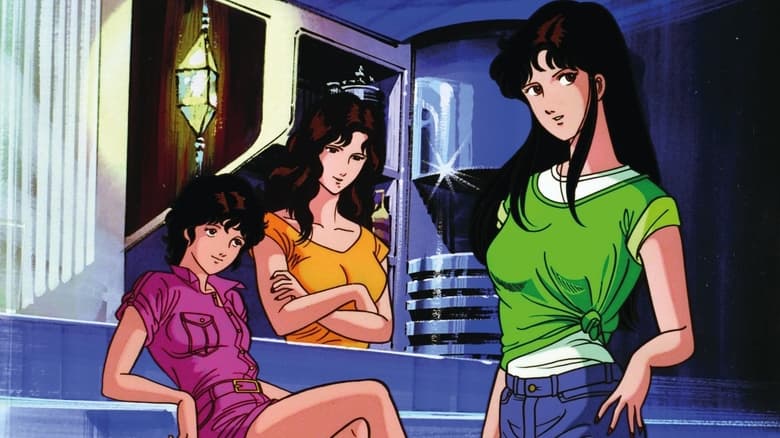
The 1983 "Cat's Eye" television series is the first animated adaptation of Tsukasa Hojo's immensely popular manga, bringing the stylish heists of the Kisugi sisters to the small screen. Produced by Tokyo Movie Shinsha and directed by Yoshio Takeuchi, the series faithfully captures the manga's blend of action, comedy, and romance. It follows Hitomi, Rui, and Ai as they run a café by day and transform into the notorious art thief trio "Cat's Eye" by night, leaving calling cards for the police and specifically for Hitomi's hapless detective boyfriend, Toshio Utsumi, who is tasked with capturing them.
The anime is celebrated for its distinct 1980s aesthetic, from the character designs to its iconic opening theme songs, the first of which was performed by Anri. The series originally ran for 36 episodes on Nippon Television, and its success led to a second season in 1985, which continued the sisters' quest to recover their missing father's art collection. While the anime largely follows the manga's plot, it introduces some original storylines and a conclusive ending that differs from the source material, giving viewers a sense of closure.
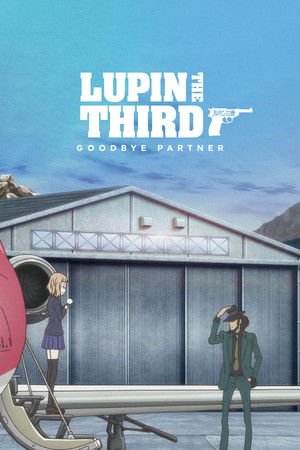
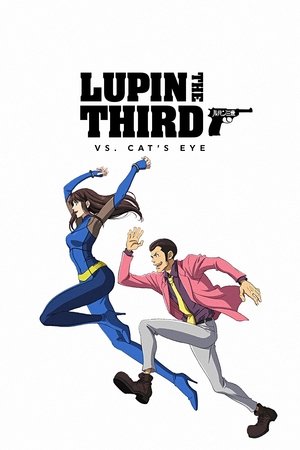
This 1983 series cemented "Cat's Eye" as a staple of retro anime and a defining work of the "phantom thief" genre. Its influence is enduring, having paved the way for subsequent live-action adaptations and a modern crossover with another iconic thief, Lupin III, in 2023. The show remains a nostalgic touchstone for fans of classic shōnen anime, remembered for its charismatic leads and the engaging cat-and-mouse dynamic between the thieves and the police.
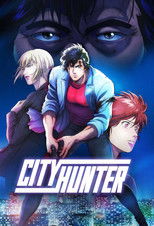
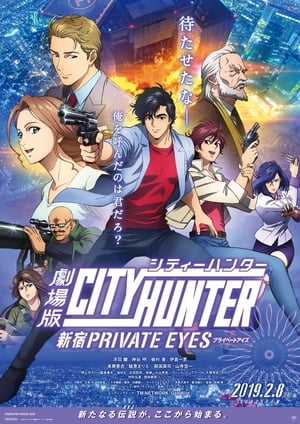
The City Hunter collection is a modern animated film duology that serves as a direct continuation of the classic manga and anime series created by Tsukasa Hojo. Originating from the highly influential 1980s manga, the story follows Ryo Saeba, a charismatic and exceptionally skilled private detective operating in Tokyo's Shinjuku district. Known for his sharpshooting prowess and irreverent personality, Ryo takes on dangerous cases while navigating his complicated relationships with his partner Kaori Makimura and other recurring allies. The duology revives the beloved characters and signature blend of action, comedy, and heartfelt drama for a new generation, while remaining faithful to the spirit of the original work.
These films mark a significant return to animated storytelling for the franchise after a lengthy hiatus, produced by Sunrise, the studio behind the original anime adaptation. The first entry, released in 2019, reintroduces the core cast and their dynamic in a contemporary setting, updating the visual style with modern animation techniques while preserving the hand-drawn aesthetic and character designs that fans cherish. The second film, released in 2023, builds on this foundation, deepening the narrative and exploring new threats that challenge Ryo's skills and moral code. Together, they form a cohesive narrative arc that honors the legacy of the franchise while advancing its story.
Thematically, the duology continues to explore loyalty, redemption, and the lingering shadows of a violent past. Ryo's unwavering personal code, his protective instincts toward the vulnerable, and his playful yet profound bond with Kaori remain central. The films balance high-octane gunfights and chase sequences with moments of genuine emotional resonance and the series' trademark humor, ensuring the tone remains consistent with its roots. By focusing on character-driven storytelling, the collection appeals to longtime followers while remaining accessible to newcomers.
As a reboot collection, these films represent a careful modernization of a cultural touchstone. Rather than a full reimagining, they function as a legacy sequel, bridging the gap between the original era and the present day. This approach has allowed the City Hunter property to maintain its relevance in the contemporary anime landscape, demonstrating the enduring appeal of its characters and the timeless quality of its core premise. The duology stands as a testament to the lasting impact of Tsukasa Hojo's creation and its ability to adapt across decades without losing its essential identity.
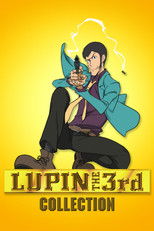
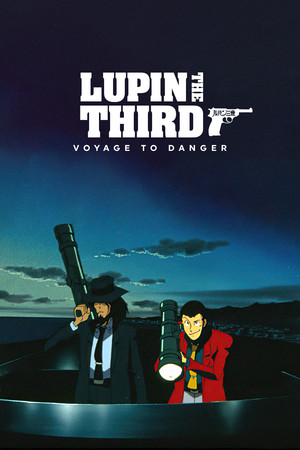
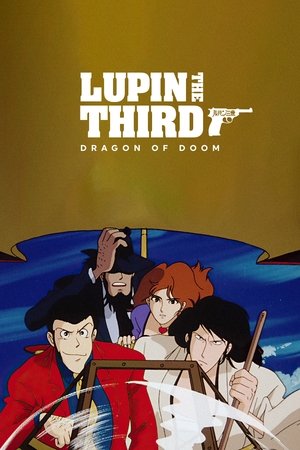
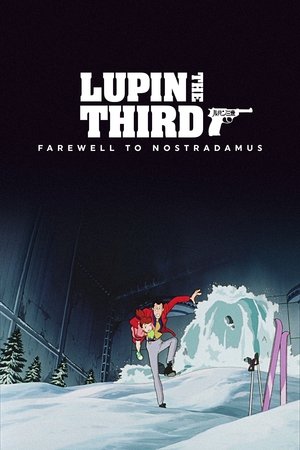
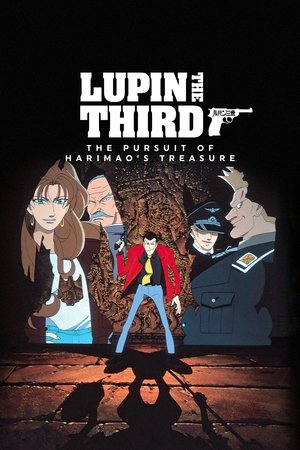
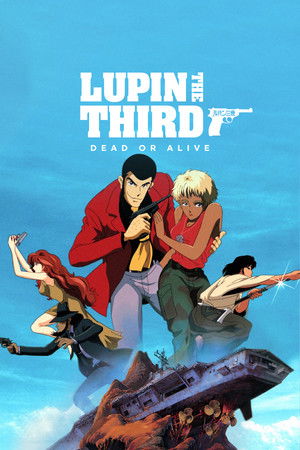
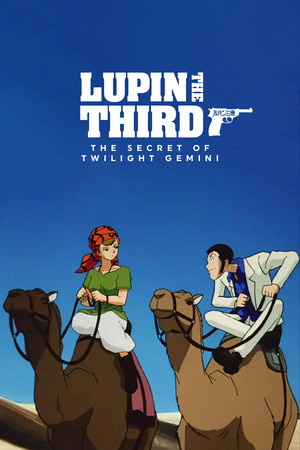
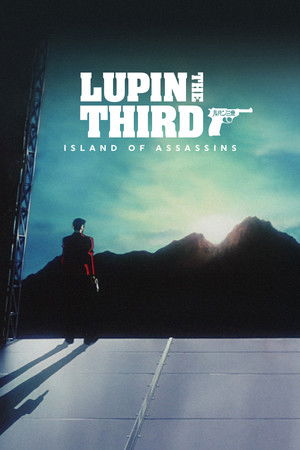
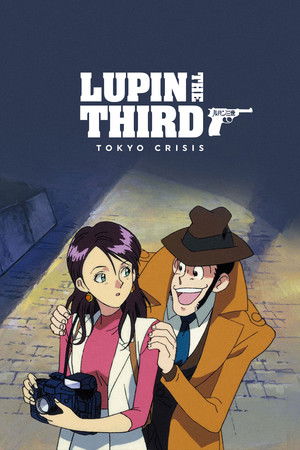
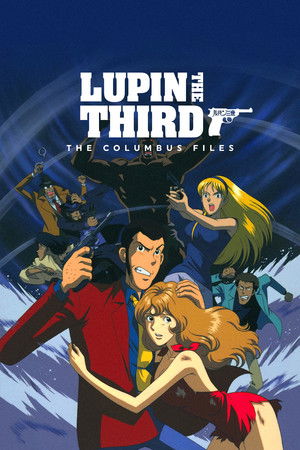
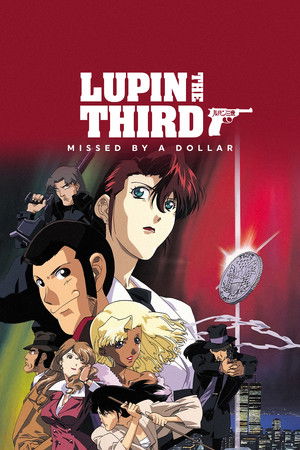
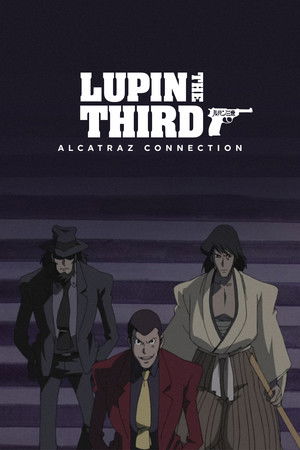
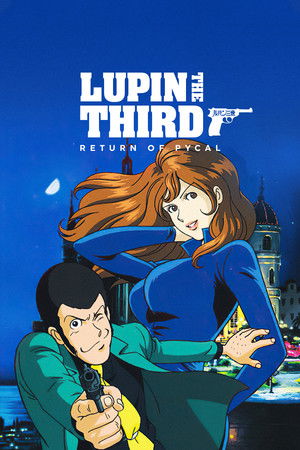
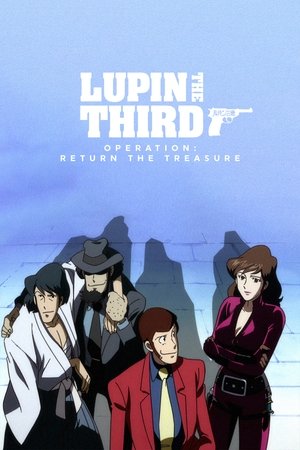
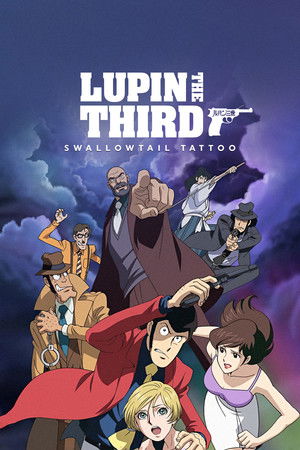
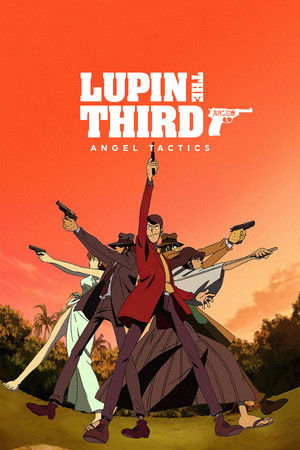
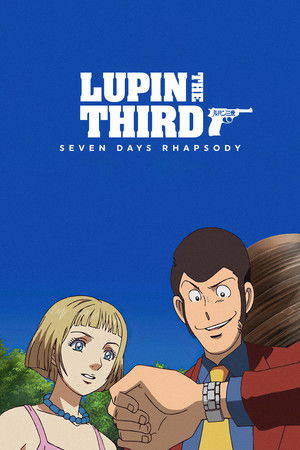
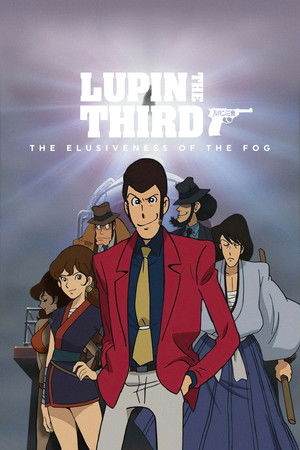
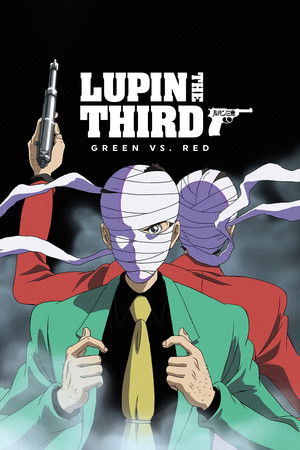
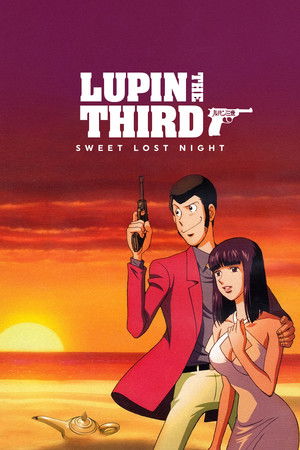
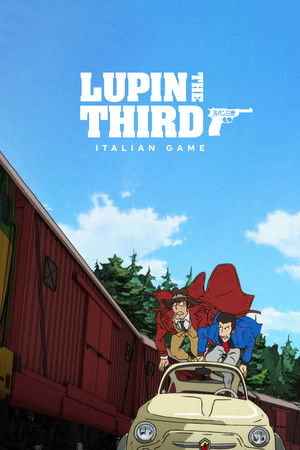
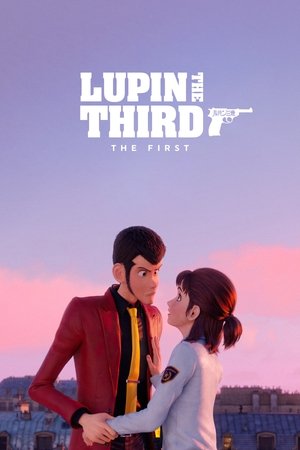
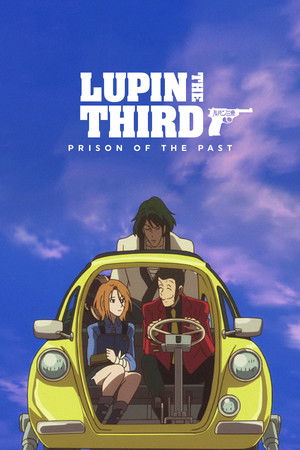
Lupin the Third is a long-running Japanese media collection centered on the exploits of Arsène Lupin III, the grandson of Maurice Leblanc's gentleman thief. Created by the artist Monkey Punch in 1967 as a manga series, the property quickly evolved into a genre-defying institution spanning television anime, theatrical films, television specials, OVAs, and video games. The core appeal lies in the chemistry of its central ensemble: the irrepressible and endlessly inventive Lupin, the sharp-shooting Daisuke Jigen, the stoic swordsman Goemon Ishikawa XIII, the alluring and treacherous Fujiko Mine, and the dogged Inspector Zenigata, whose pursuit of Lupin is as much a personal obsession as a professional duty. Together, they form a dynamic that has allowed the series to explore a vast spectrum of tones, from slapstick comedy and lighthearted caper to hard-boiled noir and psychological drama.
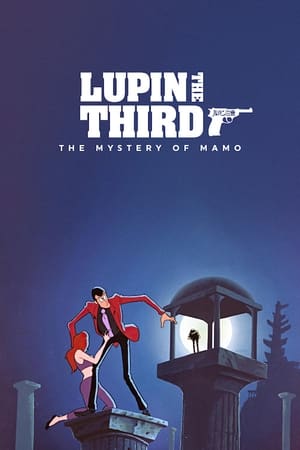
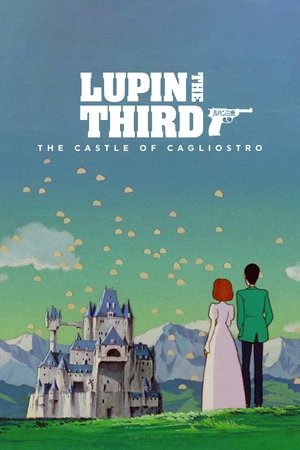
The collection's remarkable adaptability is a key to its longevity. Hayao Miyazaki's 1979 film *The Castle of Cagliostro* presented a softer, more chivalrous version of the character, influencing animated adventure storytelling worldwide. In contrast, the 1978 film *The Mystery of Mamo* delved into psychedelic paranoia and existential themes. This narrative flexibility has been sustained across decades of annual television specials, which began in 1989 and continue to this day, offering self-contained adventures that place the characters in a variety of global settings and high-stakes scenarios. The television series itself has undergone several reinventions, with each new part—from the iconic red jacket of the second series to the more recent adventures set in Italy and France—reintroducing the gentleman thief to a new generation while maintaining the core spirit of the original manga.
The cultural significance of Lupin the Third extends beyond its home country, establishing it as a globally recognized ambassador for stylish, jazz-scored escapism. The collection has consistently balanced a sense of timeless cool with creative reinvention, allowing it to remain relevant for over half a century. In the 21st century, the property has expanded into darker, more adult-oriented territory with the *Lupin the IIIrd* film series, which pushes its animation and psychological depth to new extremes, while simultaneously delighting audiences with lighter, self-contained television specials. Across its many iterations, the collection remains a testament to the enduring appeal of a perfect character dynamic and the thrill of the chase, proving that the greatest treasure is often the adventure itself.