🎬 City Hunter: Shinjuku Private Eyes (2019)
Part of City Hunter (Reboot)
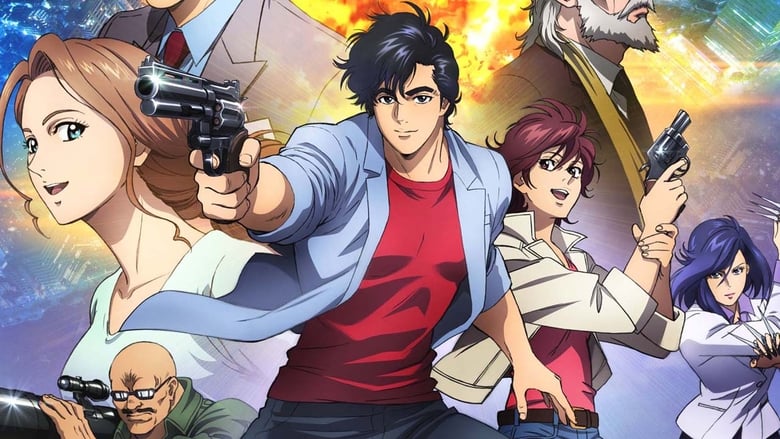
City Hunter: Shinjuku Private Eyes marks a triumphant return for Ryo Saeba and company, arriving over two decades after the previous animated film. Directed by Kenji Kodama, who helmed earlier City Hunter sequels, the 2019 feature deliberately embraces its legacy by reuniting the original 1987 anime voice cast. This decision immediately grounds the film in a warm sense of nostalgia, allowing longtime fans to slip back into the familiar rhythms of Ryo’s lecherous antics and Kaori’s hammer-swinging retribution without missing a beat. The story transplants the classic Shinjuku setting into a contemporary landscape, where the sweeper team is hired to protect a young woman named Ai Shindo, who becomes the target of a shadowy arms-dealing organization after a mysterious drone attack.
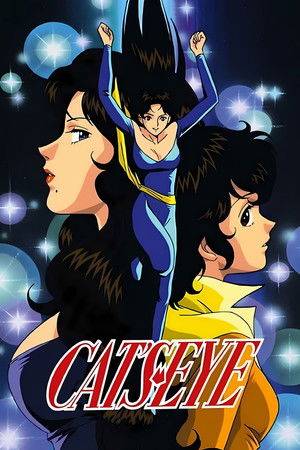
The film cleverly modernizes the source material’s aesthetic while preserving its core identity. Tsukasa Hojo’s character designs are updated with a glossy, vibrant sheen that suits the theatrical format, yet the exaggerated facial expressions and physical comedy that defined the manga remain intact. One of the movie’s most delightful surprises is a crossover with Hojo’s earlier work, Cat’s Eye, as the three Kisugi sisters make a fully integrated appearance, with Keiko Toda and Chika Sakamoto reprising their roles from the 1980s anime. This cameo is more than a simple Easter egg; it weaves the sisters into the plot as allies, creating a shared universe that celebrates Hojo’s entire body of work and deepens the film’s appeal for dedicated manga readers.
While the action set pieces are slick and the mystery propels the narrative efficiently, the film’s heart lies in the unchanged dynamic between Ryo and Kaori. The screenplay by Yoichi Kato understands that the tension between Ryo’s professional competence and his hopeless womanizing is the franchise’s engine, and it never tries to reform him beyond what the episodic formula allows. Newcomer Marie Iitoyo voices Ai, injecting fresh energy into the cast, but the story wisely keeps the focus on the central duo’s unspoken bond. The film also incorporates modern technology like drones and advanced surveillance into its crime-thriller plot, yet these elements serve the old-school detective framework rather than overwhelming it.
Upon its Japanese release in February 2019, Shinjuku Private Eyes was received as a satisfying, fan-service-driven reunion that proved the property’s enduring charm. It performed well enough to greenlight further animated projects, demonstrating that the appetite for Ryo Saeba’s brand of justice had not faded. For international audiences, Discotek Media’s North American Blu-ray release in 2020 finally made the film accessible, cementing its status as a lovingly crafted bridge between the classic City Hunter era and a new generation of viewers.
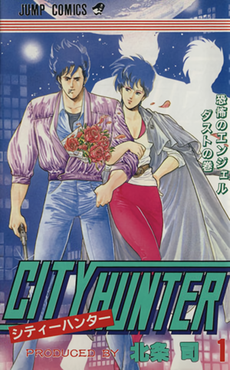
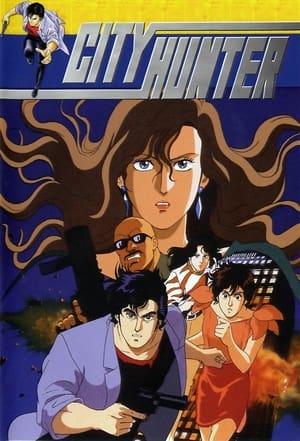
City Hunter is a Japanese manga series written and illustrated by Tsukasa Hojo. It was serialized in Shueisha's Weekly Shōnen Jump magazine from 1985 to 1991, spanning 35 collected volumes. The story follows Ryo Saeba, a private detective and "sweeper" operating in Tokyo, who is contacted by clients through the code "XYZ" written on a message board at Shinjuku Station. Ryo is a peerless marksman with a strict personal code, but he is also an incorrigible womanizer whose antics often land him in trouble.
After the murder of his partner Hideyuki Makimura, Ryo is joined by Hideyuki's tomboyish sister Kaori, who becomes his new partner and the emotional anchor of the series. The manga blends hard-boiled action, slapstick comedy, and romantic tension, with most chapters following an episodic case structure where Ryo protects a beautiful female client. Hojo's clean, dynamic art style and the series' mix of gritty crime drama and lighthearted humor made it a standout in the shōnen genre.
City Hunter became a massive commercial success and a cultural phenomenon, spawning a vast media franchise that includes multiple anime series, films, video games, and live-action adaptations across several countries. It also inspired a spin-off manga, Angel Heart, set in an alternate continuity. The series was particularly influential in shaping the modern action-comedy template in manga and anime, and it remains beloved by fans worldwide.
The City Hunter collection is a modern animated film duology that serves as a direct continuation of the classic manga and anime series created by Tsukasa Hojo. Originating from the highly influential 1980s manga, the story follows Ryo Saeba, a charismatic and exceptionally skilled private detective operating in Tokyo's Shinjuku district. Known for his sharpshooting prowess and irreverent personality, Ryo takes on dangerous cases while navigating his complicated relationships with his partner Kaori Makimura and other recurring allies. The duology revives the beloved characters and signature blend of action, comedy, and heartfelt drama for a new generation, while remaining faithful to the spirit of the original work.
These films mark a significant return to animated storytelling for the franchise after a lengthy hiatus, produced by Sunrise, the studio behind the original anime adaptation. The first entry, released in 2019, reintroduces the core cast and their dynamic in a contemporary setting, updating the visual style with modern animation techniques while preserving the hand-drawn aesthetic and character designs that fans cherish. The second film, released in 2023, builds on this foundation, deepening the narrative and exploring new threats that challenge Ryo's skills and moral code. Together, they form a cohesive narrative arc that honors the legacy of the franchise while advancing its story.
Thematically, the duology continues to explore loyalty, redemption, and the lingering shadows of a violent past. Ryo's unwavering personal code, his protective instincts toward the vulnerable, and his playful yet profound bond with Kaori remain central. The films balance high-octane gunfights and chase sequences with moments of genuine emotional resonance and the series' trademark humor, ensuring the tone remains consistent with its roots. By focusing on character-driven storytelling, the collection appeals to longtime followers while remaining accessible to newcomers.
As a reboot collection, these films represent a careful modernization of a cultural touchstone. Rather than a full reimagining, they function as a legacy sequel, bridging the gap between the original era and the present day. This approach has allowed the City Hunter property to maintain its relevance in the contemporary anime landscape, demonstrating the enduring appeal of its characters and the timeless quality of its core premise. The duology stands as a testament to the lasting impact of Tsukasa Hojo's creation and its ability to adapt across decades without losing its essential identity.