🎬 City Hunter (2024)
Part of City Hunter (Live-Action)
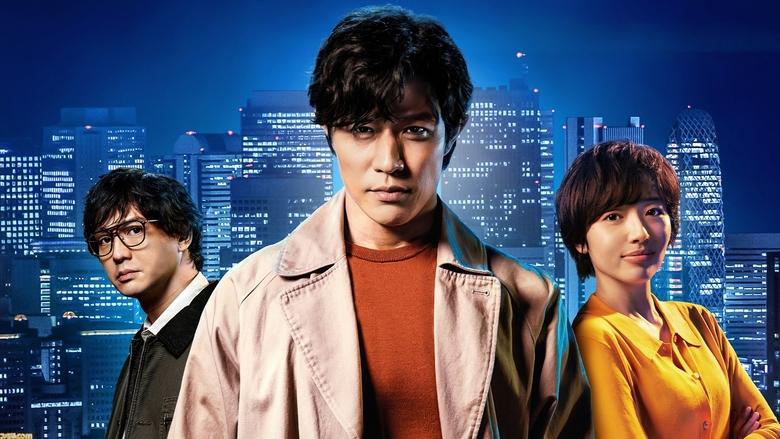
Netflix’s 2024 film "City Hunter" marks a significant milestone as the first Japanese-produced live-action adaptation of Tsukasa Hojo’s iconic manga, bringing the beloved sweeper Ryo Saeba back to his home turf with a slick, modern sheen. Directed by Yūichi Satō, the film transplants the neon-drenched, pervy charm of the 1980s original into contemporary Shinjuku, with Ryohei Suzuki stepping into the role of the impossibly skilled marksman and unrepentant ladies' man. Rather than a panel-for-panel remake, the adaptation streamlines the episodic manga into a cohesive origin-adjacent narrative, focusing heavily on the death of Hideyuki Makimura—an event that, in the source material, occurs early but is often revisited in flashbacks. Here, it becomes the emotional engine of the plot, cementing the bond between Ryo and Kaori while launching them into a conspiracy involving a dangerous new street drug.
The film makes several key adjustments to suit a global streaming audience while preserving the franchise’s signature tonal whiplash between hard-boiled action and slapstick comedy. The legendary 100-ton hammer wielded by Kaori (played by Misato Morita) is reimagined as a more grounded but still comedic prop, and Ryo’s infamous "mokkori" antics are toned down—present, but less lecherous than in the manga or classic anime. The action choreography leans into kinetic, John Wick-style gun-fu, a departure from the more static shootouts of the 1980s anime, yet the film remains deeply nostalgic. The decision to use TM Network’s re-recorded "Get Wild Continual" as the ending theme directly bridges generations, acknowledging that for many fans, the music is as essential as the characters themselves.
Critically, the film was received as a surprisingly faithful and energetic take on material that has seen numerous uneven adaptations across Asia and Europe. Suzuki’s performance was widely praised for capturing Ryo’s dual nature—the goofy, girl-crazy exterior masking a tragic, hyper-competent professional—while Morita’s Kaori provided a fiercer, more proactive partner than some earlier iterations. The production design lovingly recreates the mood of the original, from the red-light-district ambiance to the cluttered, lived-in feel of the City Hunter office, though some purists noted the streamlined plot sacrifices the manga’s sprawling, episodic world-building for a tighter two-hour runtime.
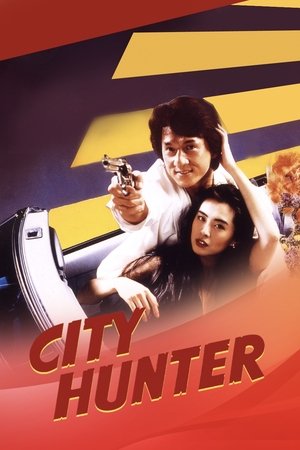
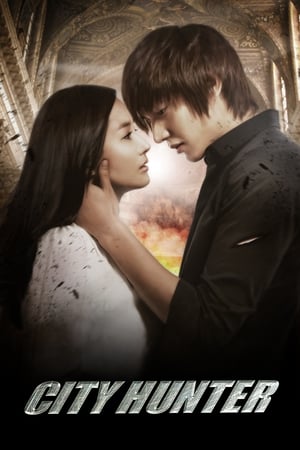
As a Netflix original, this "City Hunter" serves both as an introduction for newcomers and a love letter to longtime fans, proving that Hojo’s blend of noir, comedy, and heart can thrive in a modern setting. It stands apart from previous live-action attempts—such as the 1993 Hong Kong film starring Jackie Chan or the 2011 Korean drama—by grounding itself firmly in Japanese sensibilities and the original manga’s emotional core. The film’s success has sparked renewed interest in the franchise, demonstrating that Ryo Saeba’s particular brand of justice, loyalty, and redemption still resonates, even when delivered through a streaming platform decades after his debut in the pages of Weekly Shōnen Jump.
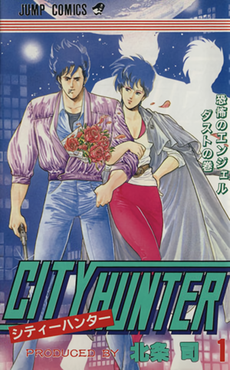
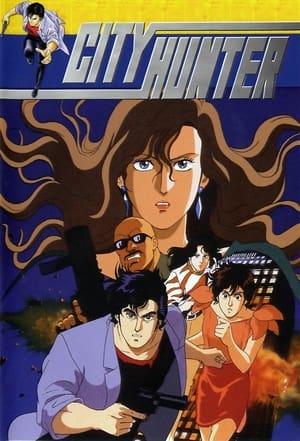
City Hunter is a Japanese manga series written and illustrated by Tsukasa Hojo. It was serialized in Shueisha's Weekly Shōnen Jump magazine from 1985 to 1991, spanning 35 collected volumes. The story follows Ryo Saeba, a private detective and "sweeper" operating in Tokyo, who is contacted by clients through the code "XYZ" written on a message board at Shinjuku Station. Ryo is a peerless marksman with a strict personal code, but he is also an incorrigible womanizer whose antics often land him in trouble.
After the murder of his partner Hideyuki Makimura, Ryo is joined by Hideyuki's tomboyish sister Kaori, who becomes his new partner and the emotional anchor of the series. The manga blends hard-boiled action, slapstick comedy, and romantic tension, with most chapters following an episodic case structure where Ryo protects a beautiful female client. Hojo's clean, dynamic art style and the series' mix of gritty crime drama and lighthearted humor made it a standout in the shōnen genre.
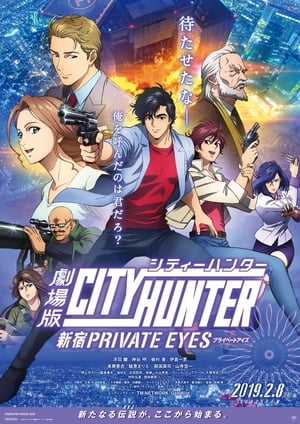
City Hunter became a massive commercial success and a cultural phenomenon, spawning a vast media franchise that includes multiple anime series, films, video games, and live-action adaptations across several countries. It also inspired a spin-off manga, Angel Heart, set in an alternate continuity. The series was particularly influential in shaping the modern action-comedy template in manga and anime, and it remains beloved by fans worldwide.

The City Hunter live-action collection translates the spirit of Tsukasa Hojo’s beloved manga into two distinct cinematic eras, each capturing the irreverent charm of Ryo Saeba, Tokyo’s most notorious “sweeper.” A private detective, bodyguard, and unapologetic womanizer, Saeba navigates the city’s criminal underworld with preternatural combat skills, a signature .357 Magnum, and a perpetual smirk. The collection’s core thrives on a heady cocktail of slick gunplay, acrobatic martial arts, and absurdist humor, balancing high-stakes cases with Saeba’s hopelessly lecherous antics. Anchored by his long-suffering partner Kaori, the stories explore themes of loyalty, justice, and the joyful chaos of a life lived by one’s own rules, all while winking at the audience with a sense of cool that defined the original manga and anime.
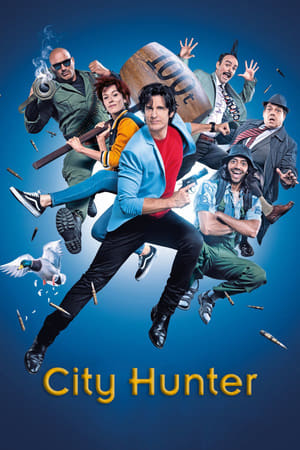
The collection’s first and most audacious entry is the 1993 Hong Kong production starring Jackie Chan, a film that reimagines Saeba as a bumbling yet supremely skilled adventurer within a globe-trotting, cartoon-logic plot. Chan’s version transforms the detective into a loose cannon whose slapstick fights and death-defying stunts become the main vehicle for the manga’s playfulness, famously culminating in a delirious Street Fighter II parody sequence that melds video-game homage with live-action chaos. Though it takes liberties with the source material, the film captured the era’s maximalist action-comedy aesthetic and introduced the property to international audiences, proving that the City Hunter’s blend of cool and clownish could thrive beyond its Japanese roots.
Three decades later, the 2024 Japanese adaptation directed by Yūichi Satō and starring Ryohei Suzuki brought the character back to his birthplace with a more faithful, stylishly grounded approach. Marking the first homegrown live-action version, the film leans into the original manga’s neo-noir Tokyo atmosphere and the bickering, tender dynamic between Saeba and Kaori, while still delivering kinetic gun-fu and comic set-pieces. Suzuki’s Ryo Saeba channels the character’s razor-sharp professionalism and his flamboyant, skirt-chasing id, grounding the outrageousness in a charismatic performance that honors the collection’s dual legacy. Together, these two films demonstrate the enduring flexibility of the City Hunter mythos, a property that can be reborn in different cultures and decades without losing the signature blend of heart, danger, and mischievous wit.