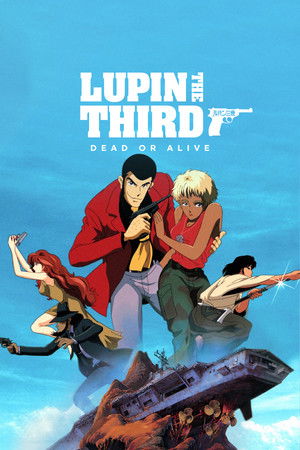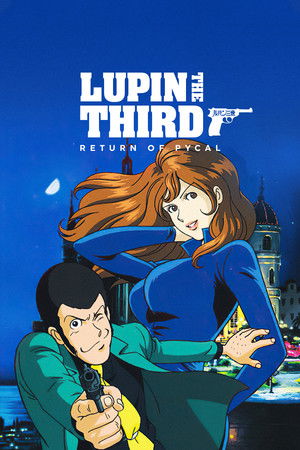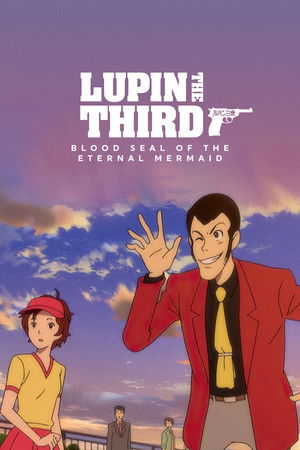
📺 Lupin the 3rd (1971)
Based on manga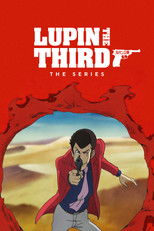
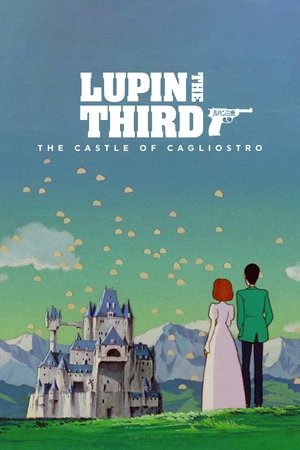
When Lupin III returned to television screens in 1977, it was a dramatically different beast from the short-lived, darker 1971 series that preceded it. This second adaptation, now commonly known as the "Red Jacket" series, completely reinvented the gentleman thief for a broader audience. Gone was the gritty, adult-oriented tone of the first attempt; in its place was a vibrant, comedic, and wildly energetic caper-of-the-week format that would cement the characters in the public consciousness. Under the direction of a team that included the legendary Hayao Miyazaki (who had co-directed several episodes of the first series and helmed the iconic film The Castle of Cagliostro just two years later), the show leaned heavily into slapstick, absurdist humor, and the unbreakable, if dysfunctional, bond between Lupin and his partners. The visual shift was immediate and iconic, swapping Lupin's green jacket for a now-famous red one, a change that became the series' defining aesthetic marker.
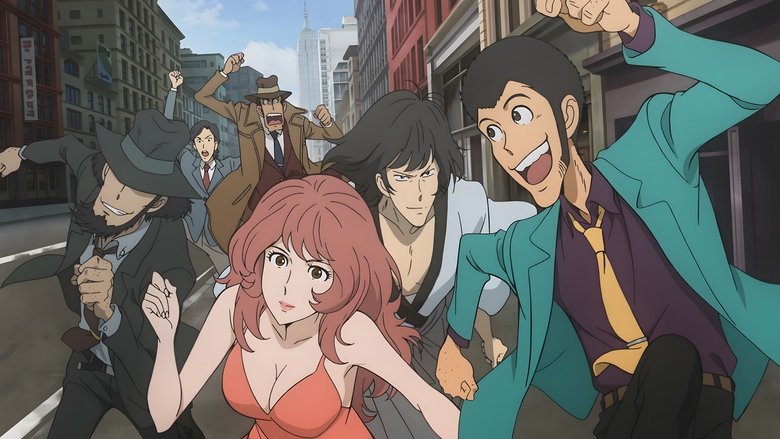
This adaptation took significant liberties with Monkey Punch's original manga, sanding down the rougher edges of the source material. The manga's Lupin was often a more ruthless and lecherous anti-hero, and the stories could veer into dark, violent territory. The 1977 series, however, transformed him into a charming, almost goofy rogue whose schemes were as likely to fail due to his own hubris or Fujiko's double-crosses as they were to succeed. The dynamic between the core cast was solidified here: Jigen as the weary, loyal best friend; Goemon as the stoic, honor-bound warrior often exasperated by modern life; and Fujiko as the ultimate femme fatale whose shifting allegiances drove countless plots. Inspector Zenigata's role was also massively expanded, evolving from a competent rival into a comically obsessed, near-supernatural force of pursuit whose dedication to catching Lupin often made him an accidental ally.
The series' 155-episode run was a massive success, turning a once-niche manga into a national phenomenon and laying the groundwork for a decades-spanning franchise. Its international journey was more fragmented; for years, only a handful of episodes were available in English, including a VHS release titled Lupin III: Tales of the Wolf that featured two of the series' most acclaimed, Miyazaki-directed episodes. It wasn't until the 2000s that a significant portion of the show was licensed for North American broadcast on Adult Swim, introducing a new generation to its unique blend of action and comedy. The "Red Jacket" series remains the definitive version of Lupin III for many fans worldwide, a perfect storm of creative talent that captured a sense of madcap, globe-trotting adventure that its successors have continually strived to recapture.
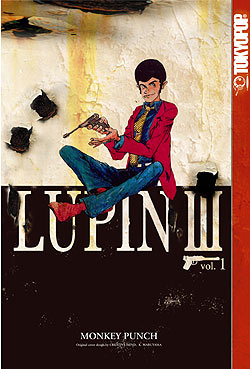
Lupin III is a Japanese manga series written and illustrated by Monkey Punch. It was serialized in Futabasha's Weekly Manga Action magazine from August 10, 1967, to May 22, 1969, with additional chapters appearing sporadically until 1972. The series follows the adventures of Arsène Lupin III, the grandson of Maurice Leblanc's gentleman thief Arsène Lupin, as he travels the globe pulling off elaborate heists alongside his partners: the crack-shot Daisuke Jigen and the stoic swordsman Goemon Ishikawa XIII. They are frequently pursued by the dogged Inspector Koichi Zenigata of Interpol, and Lupin's schemes are often complicated by his love-hate relationship with the alluring femme fatale Fujiko Mine.
The manga is known for its blend of action, comedy, and noir-inspired storytelling, with a distinctly adult tone that set it apart from many of its contemporaries. Monkey Punch's dynamic, cartoonish art style and the series' irreverent humor helped establish Lupin III as a cornerstone of Japanese pop culture. The 129 original chapters were collected into 14 tankōbon volumes, and the series has since spawned numerous sequel manga, spin-offs, and one-shots by various creators.
Lupin III's cultural significance is immense, having launched one of the most enduring and beloved media franchises in Japan. Its influence extends across generations, inspiring a long-running anime series, annual television specials, theatrical films, video games, and even a musical. The character of Lupin III has become an iconic figure, representing a rakish, anti-hero archetype that continues to resonate with audiences worldwide.