🎬 Lupin the IIIrd: Fujiko's Lie (2019)
Part of Lupin the IIIrd
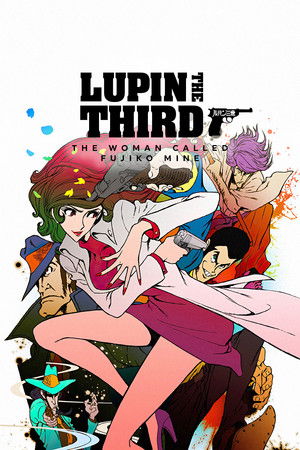
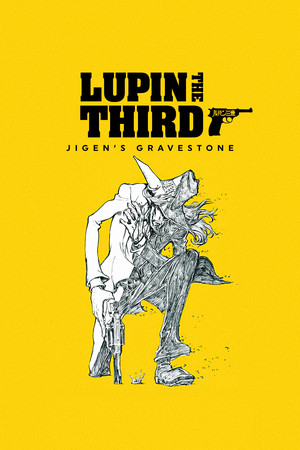
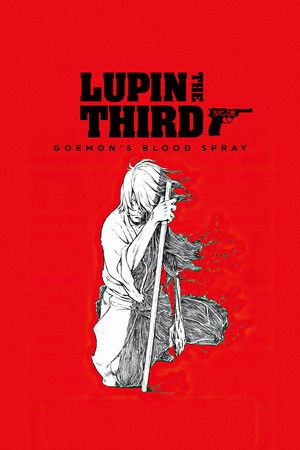
Lupin the IIIrd: Fujiko's Lie is a 2019 Japanese animated film directed by Takeshi Koike, serving as the third installment in the gritty, grindhouse-inspired Lupin the IIIrd spin-off film series. This series, which began with Jigen's Gravestone in 2014 and continued with Goemon's Blood Spray in 2017, presents a darker, more violent take on the classic Lupin III characters, drawing heavily from the aesthetic and tone of the 2012 television series The Woman Called Fujiko Mine, which Koike also directed.
The film centers on Fujiko Mine, the franchise's iconic femme fatale, as she finds herself entangled with a dangerous criminal organization and a mysterious young boy who holds the key to a vast fortune. Forced to go on the run, Fujiko must confront her past and use all her wiles to survive, with Lupin, Jigen, and Goemon drawn into the chaos. The story connects narrative threads from the previous two films while delivering a character study of one of anime's most complex antiheroines.
Like all Lupin III media, Fujiko's Lie traces its roots back to Monkey Punch's original manga, first published in 1967. The manga introduced the world to the gentleman thief Lupin III and his colorful associates, blending crime capers with irreverent humor and adult themes. While the Lupin the IIIrd films take significant tonal liberties, they remain faithful to the core character dynamics and the spirit of lawless adventure that Monkey Punch established over fifty years ago.
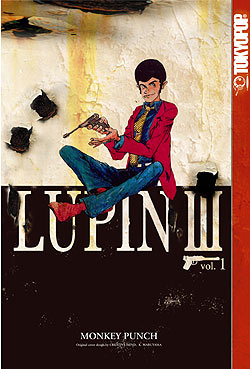
Lupin III is a Japanese manga series written and illustrated by Monkey Punch. It was serialized in Futabasha's Weekly Manga Action magazine from August 10, 1967, to May 22, 1969, with additional chapters appearing sporadically until 1972. The series follows the adventures of Arsène Lupin III, the grandson of Maurice Leblanc's gentleman thief Arsène Lupin, as he travels the globe pulling off elaborate heists alongside his partners: the crack-shot Daisuke Jigen and the stoic swordsman Goemon Ishikawa XIII. They are frequently pursued by the dogged Inspector Koichi Zenigata of Interpol, and Lupin's schemes are often complicated by his love-hate relationship with the alluring femme fatale Fujiko Mine.
The manga is known for its blend of action, comedy, and noir-inspired storytelling, with a distinctly adult tone that set it apart from many of its contemporaries. Monkey Punch's dynamic, cartoonish art style and the series' irreverent humor helped establish Lupin III as a cornerstone of Japanese pop culture. The 129 original chapters were collected into 14 tankōbon volumes, and the series has since spawned numerous sequel manga, spin-offs, and one-shots by various creators.
Lupin III's cultural significance is immense, having launched one of the most enduring and beloved media franchises in Japan. Its influence extends across generations, inspiring a long-running anime series, annual television specials, theatrical films, video games, and even a musical. The character of Lupin III has become an iconic figure, representing a rakish, anti-hero archetype that continues to resonate with audiences worldwide.

Lupin the IIIrd is a series of Japanese animated films that form a distinct, darker-toned offshoot within the larger Lupin III franchise. Launched in 2014 with *Jigen's Gravestone*, this collection reimagines the classic characters created by Monkey Punch in a grittier, more violent, and psychologically intense style. The films are characterized by their mature storytelling, stylized action, and a focus on the individual backstories and moral complexities of the main cast, moving away from the often lighthearted, comedic capers of the main anime series. The series is notable for its cohesive creative direction under director Takeshi Koike, who established a signature visual aesthetic with sharp character designs and dynamic, high-contrast animation.
The narrative arc of the collection delves into the personal histories and defining moments of Arsène Lupin III's closest allies and adversaries. Each entry typically centers on a specific character, such as the stoic gunman Daisuke Jigen, the honorable swordsman Goemon Ishikawa, or the enigmatic femme fatale Fujiko Mine, exploring their origins, loyalties, and the violent underworld they inhabit. This approach allows for a deeper, more dramatic exploration of the bonds and betrayals that define the group, often placing them in life-threatening situations that test their skills and relationships to the limit. The series also expands the lore by introducing new, formidable antagonists and revisiting the relentless pursuit by Inspector Zenigata in a more serious light.
Culturally, this series has been well-received by fans for offering a fresh and edgy interpretation of the beloved characters, proving the versatility of the Lupin III property. It successfully bridges the gap between the franchise's classic heist-comedy roots and a modern appetite for serialized, adult-oriented animation. The films have been praised for their high-quality production values, intense action sequences, and the way they honor the source material while carving out a unique identity. The series has grown from a single film into a notable collection, with later entries like *Fujiko's Lie* and *Zenigata and the Two Lupins* continuing to build upon this alternate, noir-infused vision of the Lupin III universe.