🎬 Lupin the 3rd: Goemon's Blood Spray (2017)
Part of Lupin the IIIrd
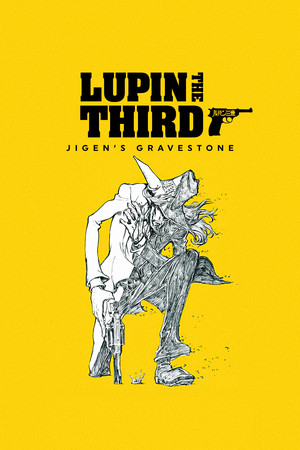
Lupin the 3rd: Goemon's Blood Spray is a 2017 Japanese animated film and a spin-off of the long-running Lupin the 3rd franchise, focusing specifically on the stoic samurai Goemon Ishikawa XIII. Directed by Takeshi Koike, it serves as a thematic companion piece to the earlier film Lupin the 3rd: Jigen's Gravestone, part of a trilogy of character-centric stories featuring a darker, grittier tone and heavily stylized, mature animation. The plot thrusts Goemon into a brutal confrontation with a hulking, seemingly indestructible assassin known as the 'Ghost of Bermuda,' forcing the master swordsman to push his skills to their absolute limit to protect his honor and a young woman caught in the crossfire.
The film is notable for its intense, visceral action sequences and its deep dive into Goemon's personal code of bushido, a departure from the more comedic and ensemble-driven tone of many classic Lupin adventures. While Lupin and Jigen appear, the narrative is squarely centered on Goemon's solitary struggle, exploring themes of failure, redemption, and the weight of a warrior's pride. The hyper-masculine, almost operatic violence is a hallmark of Koike's direction, setting it apart visually and tonally from the franchise's mainstream entries.
Critically, Goemon's Blood Spray was praised for its stunning, fluid animation and its willingness to deconstruct its titular character. The film's climax, featuring a legendary duel on a crumbling bridge, is often cited as one of the finest animated sword fights in the series' history. It successfully expanded the Lupin universe by proving that its supporting cast could carry a feature-length narrative with emotional and physical stakes that feel genuinely perilous.
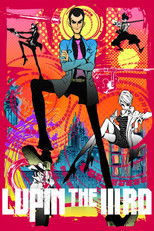
Lupin the IIIrd is a series of Japanese animated films that form a distinct, darker-toned offshoot within the larger Lupin III franchise. Launched in 2014 with *Jigen's Gravestone*, this collection reimagines the classic characters created by Monkey Punch in a grittier, more violent, and psychologically intense style. The films are characterized by their mature storytelling, stylized action, and a focus on the individual backstories and moral complexities of the main cast, moving away from the often lighthearted, comedic capers of the main anime series. The series is notable for its cohesive creative direction under director Takeshi Koike, who established a signature visual aesthetic with sharp character designs and dynamic, high-contrast animation.
The narrative arc of the collection delves into the personal histories and defining moments of Arsène Lupin III's closest allies and adversaries. Each entry typically centers on a specific character, such as the stoic gunman Daisuke Jigen, the honorable swordsman Goemon Ishikawa, or the enigmatic femme fatale Fujiko Mine, exploring their origins, loyalties, and the violent underworld they inhabit. This approach allows for a deeper, more dramatic exploration of the bonds and betrayals that define the group, often placing them in life-threatening situations that test their skills and relationships to the limit. The series also expands the lore by introducing new, formidable antagonists and revisiting the relentless pursuit by Inspector Zenigata in a more serious light.
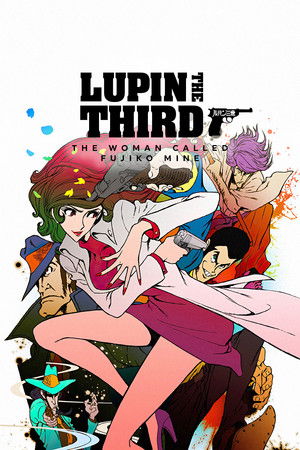
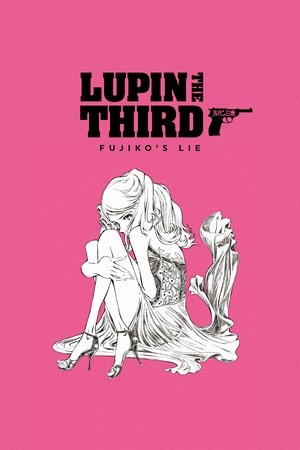
Culturally, this series has been well-received by fans for offering a fresh and edgy interpretation of the beloved characters, proving the versatility of the Lupin III property. It successfully bridges the gap between the franchise's classic heist-comedy roots and a modern appetite for serialized, adult-oriented animation. The films have been praised for their high-quality production values, intense action sequences, and the way they honor the source material while carving out a unique identity. The series has grown from a single film into a notable collection, with later entries like *Fujiko's Lie* and *Zenigata and the Two Lupins* continuing to build upon this alternate, noir-infused vision of the Lupin III universe.