📺 Star Trek: Short Treks (2018)
Part of Star Trek: Original Timeline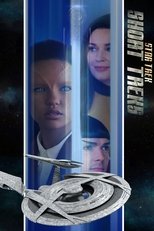
Star Trek: Short Treks is a delightful anthology series that emerged as a companion piece to Star Trek: Discovery, offering bite-sized standalone stories set within the larger Star Trek universe. Created by Bryan Fuller and Alex Kurtzman, the series launched in 2018 on CBS All Access with the clever premise of filling the gaps between Discovery's seasons while giving fans deeper glimpses into beloved characters and unexplored corners of the franchise. Each short runs between 10 and 20 minutes, functioning almost like a narrative amuse-bouche—small but satisfying.
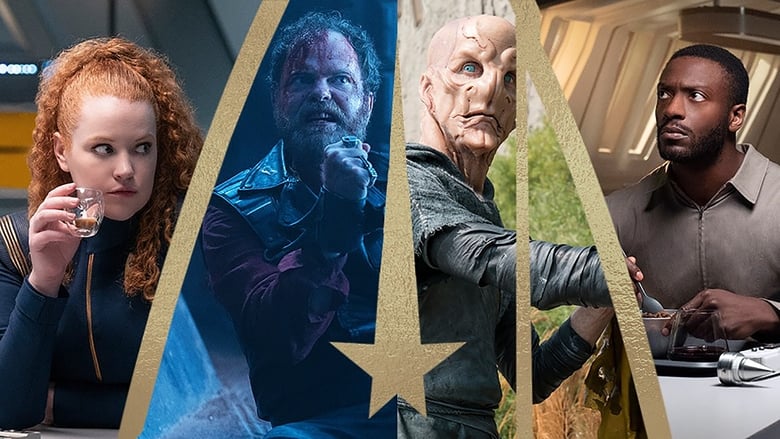
The series is notable for its experimental approach to the Star Trek formula. While most episodes tie directly into Discovery's storylines and characters, the shorts vary wildly in tone and style. Some are deeply emotional character studies, like the episode focusing on Saru's pre-Starfleet life on his home planet, while others are playful and humorous, such as the tribble-centric adventure featuring H. Jon Benjamin. The second season expanded the scope even further, introducing two fully animated shorts created by visual effects house Pixomondo, and a live-action episode that served as a direct teaser for the then-upcoming Star Trek: Picard series, bridging the gap between the 24th and 25th century narratives.
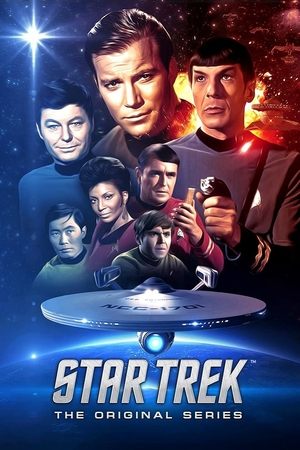
What makes Short Treks particularly special is how it honors the legacy of Star Trek: The Original Series while pushing the franchise into new territory. The shorts maintain the core Roddenberry ethos of exploration and humanity's potential, but they're unafraid to experiment with format, pacing, and perspective in ways a full series cannot. The musical approach also evolved, with Jeff Russo providing an updated main theme for the first season, while Michael Giacchino supervised a roster of new composers for the second batch, giving each short its own distinct sonic identity.
Though modest in length, the series garnered positive reviews and even earned a Primetime Emmy nomination, proving that good Star Trek storytelling doesn't require a full hour. It stands as a testament to the franchise's enduring flexibility—sixty years after Kirk and Spock first beamed onto television screens, Short Treks demonstrates that the final frontier still has plenty of room for creative, compact storytelling that both honors the past and boldly goes somewhere new.
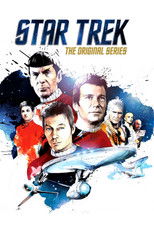
Star Trek is a monumental science fiction collection that began in 1966 with the original television series, envisioning a hopeful future where humanity has overcome its internal divisions to explore the galaxy. The central premise follows the voyages of starships from the United Federation of Planets, an interstellar alliance dedicated to peaceful exploration, diplomacy, and scientific discovery. The collection is renowned for its philosophical storytelling, often using alien encounters and futuristic scenarios as allegories for contemporary social and political issues. At its core, Star Trek is defined by an optimistic vision of the future, emphasizing diversity, cooperation, and the pursuit of knowledge. The iconic Prime Directive, a guiding principle of non-interference in the development of alien civilizations, serves as a recurring ethical touchstone. The original series broke new ground in television history by featuring one of the first multiracial and multicultural casts, including a Black female officer in a prominent role during an era of significant social change.
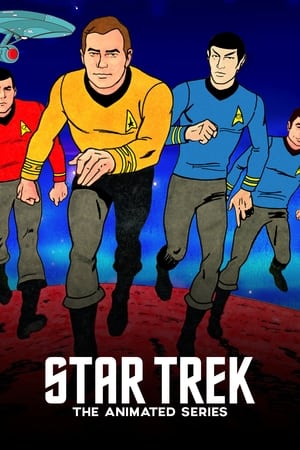
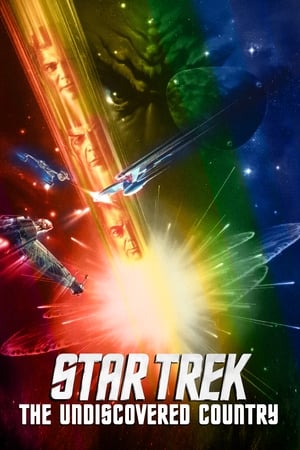
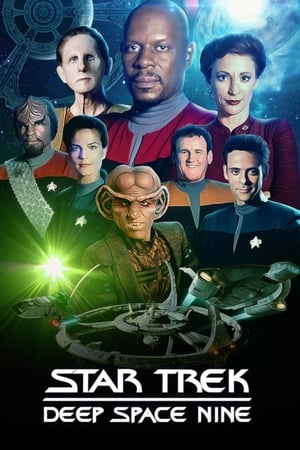
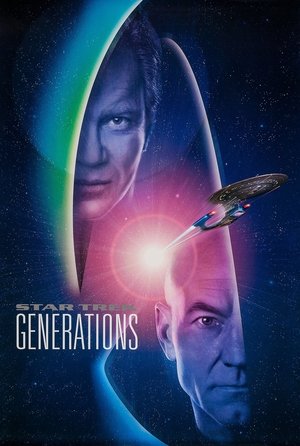
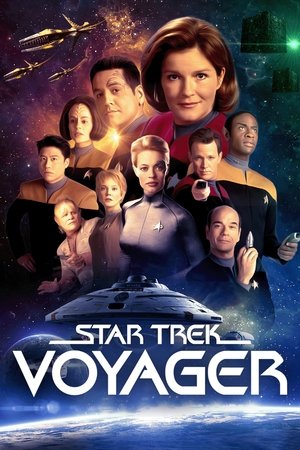
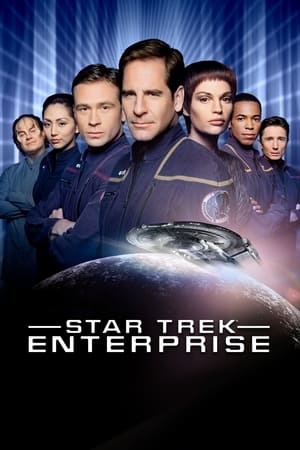
The universe of Star Trek expanded significantly over the decades, introducing new crews, starships, and eras while maintaining a shared continuity. The original timeline, encompassing the original series, its animated continuation, and the first ten films, chronicles the adventures of Captain Kirk and his crew, followed by the transition to Captain Picard and the Next Generation era. This timeline also includes later series such as Deep Space Nine, Voyager, and Enterprise, which explored darker themes, distant quadrants, and prequel narratives. The collection has explored themes ranging from the nature of consciousness and identity to the moral complexities of war and leadership. Its dedicated fanbase, often credited with pioneering modern fan culture, successfully campaigned to keep the collection alive, leading to a long-running film series and numerous television spin-offs.
In the 21st century, the collection was revitalized with new series on streaming platforms, including Discovery, Picard, Strange New Worlds, and animated entries like Lower Decks and Prodigy. These additions have expanded the timeline further, delving into previously unexplored eras and character arcs, while maintaining the core ethos of exploration and ethical inquiry. The collection's enduring appeal lies in its ability to adapt to contemporary sensibilities while staying true to its foundational ideals. With a legacy spanning more than half a century, Star Trek has become a cornerstone of popular culture, influencing real-world science, technology, and a vision for a more inclusive society. Its impact extends beyond entertainment, inspiring generations of scientists, engineers, and explorers with the idea that humanity's greatest adventures lie in the stars.