🎬 Star Trek: First Contact (1996)
Part of Star Trek: The Next Generation
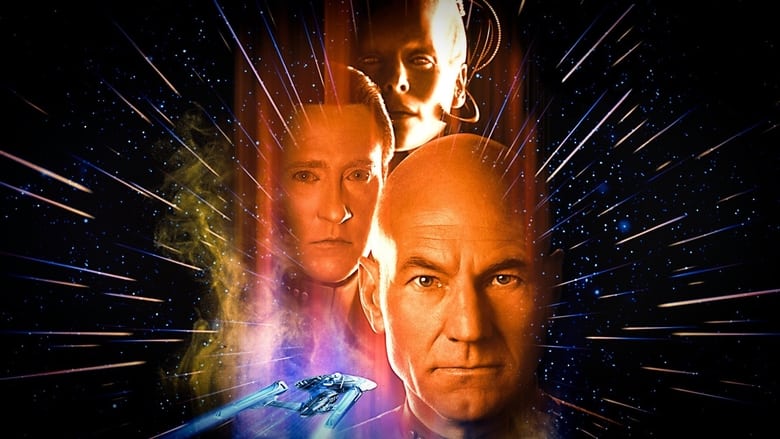
Star Trek: First Contact is the eighth feature film in the Star Trek franchise and a direct continuation of the television series Star Trek: The Next Generation, bringing the beloved crew of the USS Enterprise-D to the big screen for their second solo cinematic adventure. Directed by cast member Jonathan Frakes in his feature film directorial debut, the film is widely considered one of the finest entries in the Star Trek film series. It masterfully blends high-stakes science fiction action with the cerebral, character-driven storytelling that defined the television show, pitting Captain Jean-Luc Picard and his crew against their most formidable adversaries: the cybernetic Borg.
The plot sees the new USS Enterprise-E travel back in time to the mid-21st century to ensure that Zefram Cochrane makes his historic first warp flight, an event that leads to humanity's first contact with an alien species, the Vulcans. The Borg have traveled to this pivotal moment to assimilate Earth and prevent the Federation from ever being formed. This dual narrative allows the film to function as both a tense, claustrophobic thriller aboard the Enterprise, where the crew fights a Borg incursion, and a more whimsical, character-focused story on the surface of a post-apocalyptic Earth. The film notably gives Patrick Stewart's Picard a deeply personal arc, exploring his lingering trauma from being assimilated by the Borg in the television episode 'The Best of Both Worlds,' transforming him into a vengeful action hero reminiscent of Captain Ahab.
A significant departure from its predecessor, Star Trek Generations, First Contact was praised for its tighter script, darker tone, and confident direction by Frakes, who balanced the ensemble cast with aplomb. The film introduced new elements that would become franchise staples, including the sleek Sovereign-class USS Enterprise-E and the seductive Borg Queen, played by Alice Krige, who added a sinister and intelligent face to the previously faceless collective. The musical score by Jerry Goldsmith, a blend of his classic Star Trek themes and a new, haunting melody for the Borg, is often cited as one of the franchise's best.
Upon release, Star Trek: First Contact was a critical and commercial success, grossing over $146 million worldwide and revitalizing the film series after the mixed reception to Generations. It was lauded for its special effects, which were nominated for an Academy Award, and for making the Star Trek universe accessible to general audiences without alienating its core fanbase. The film's legacy endures, frequently topping fan polls as the best Star Trek: The Next Generation film and serving as a high-water mark for the franchise's ability to deliver a blockbuster spectacle with genuine thematic depth.
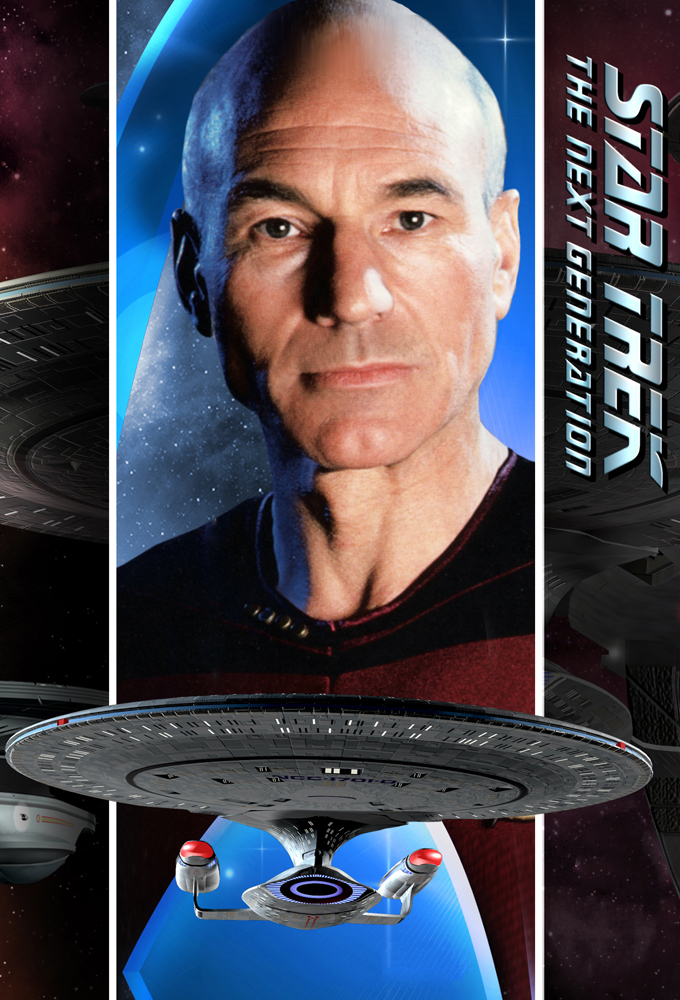
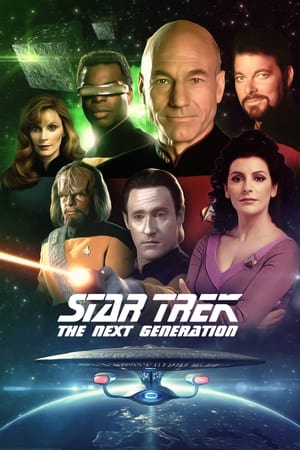
Star Trek: The Next Generation picks up roughly a century after the original series, following the crew of the USS Enterprise-D under the command of Captain Jean-Luc Picard. Premiering in 1987, the series revitalized the Star Trek franchise for a new generation, moving beyond the swashbuckling style of Kirk's era toward more contemplative, ethically complex storytelling. Over seven seasons, TNG tackled themes of artificial intelligence through Data, the nature of consciousness, diplomatic conflict resolution, and the moral responsibilities of a post-scarcity civilization encountering less advanced cultures.
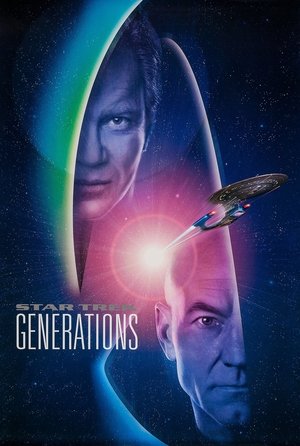
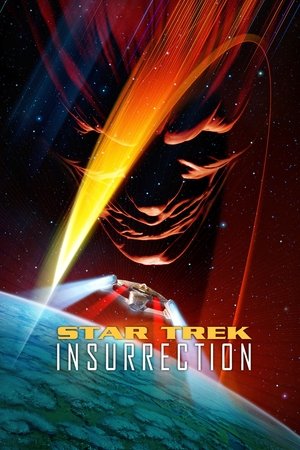
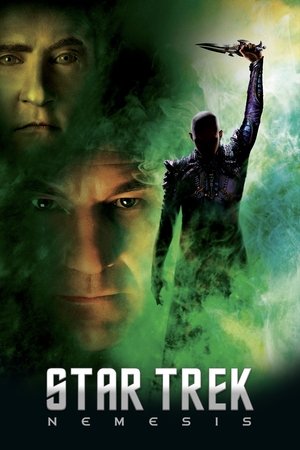
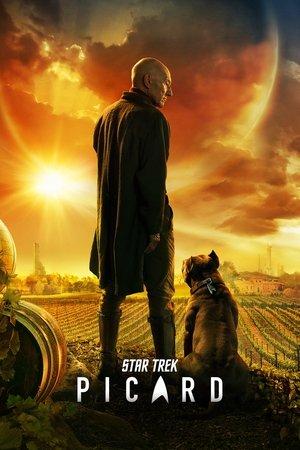
The series spawned four feature films — Generations (1994), First Contact (1996), Insurrection (1998), and Nemesis (2002) — which continued the crew's adventures on a cinematic scale. First Contact, widely regarded as the best of the TNG films, pitted Picard against the Borg in a time-travel narrative that balanced action with deep character exploration. Decades later, Star Trek: Picard (2020) reunited the cast and explored an older, retired Picard grappling with legacy, mortality, and the consequences of his past decisions.
As the cornerstone of Star Trek's golden age of television, TNG's influence extends far beyond its own run. Its episodic moral parables, ensemble cast dynamics, and willingness to engage with philosophical questions set a standard for science fiction television that persists to this day. The franchise defined an era of Star Trek that many fans consider the creative peak of the entire property.
The Star Trek: The Next Generation Collection represents the cinematic extension of a groundbreaking television series set in the 24th century. It follows the voyages of a starship crew as they explore uncharted territories, confront ethical dilemmas, and champion ideals of peace, cooperation, and discovery among diverse species. Renowned for its intellectual depth, moral inquiries, and optimistic vision of humanity's future, the collection has profoundly influenced science fiction and popular culture worldwide.
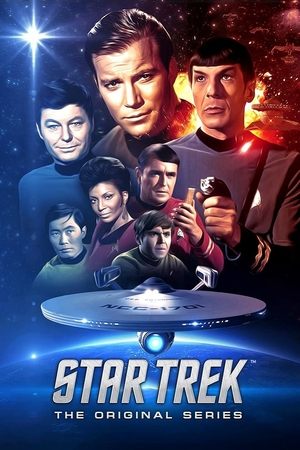
Star Trek is a monumental science fiction collection that began in 1966 with the original television series, envisioning a hopeful future where humanity has overcome its internal divisions to explore the galaxy. The central premise follows the voyages of starships from the United Federation of Planets, an interstellar alliance dedicated to peaceful exploration, diplomacy, and scientific discovery. The collection is renowned for its philosophical storytelling, often using alien encounters and futuristic scenarios as allegories for contemporary social and political issues. At its core, Star Trek is defined by an optimistic vision of the future, emphasizing diversity, cooperation, and the pursuit of knowledge. The iconic Prime Directive, a guiding principle of non-interference in the development of alien civilizations, serves as a recurring ethical touchstone. The original series broke new ground in television history by featuring one of the first multiracial and multicultural casts, including a Black female officer in a prominent role during an era of significant social change.
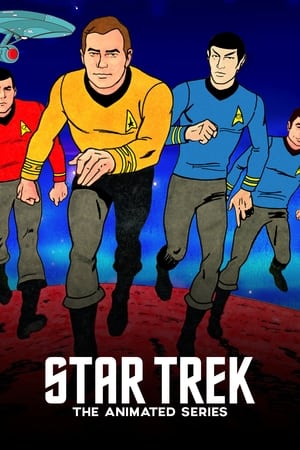
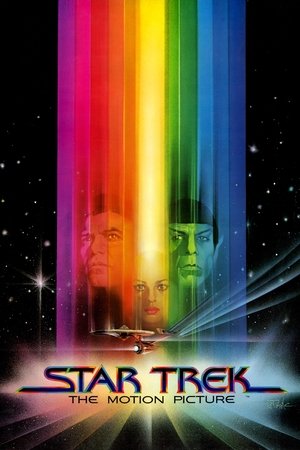
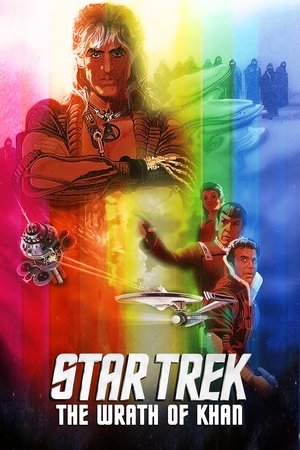
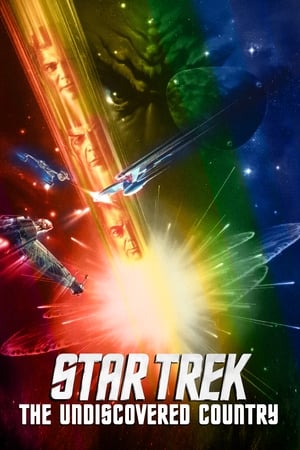
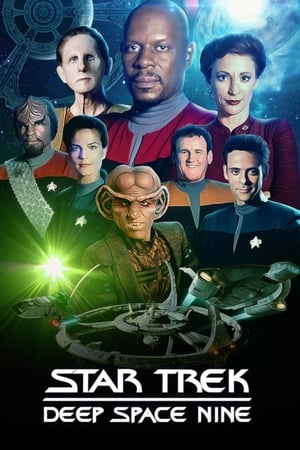
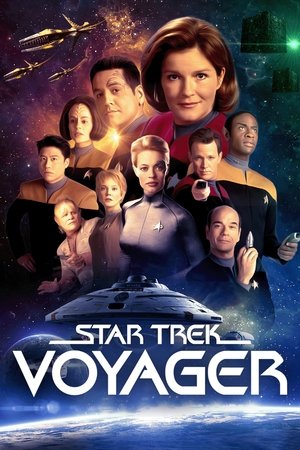
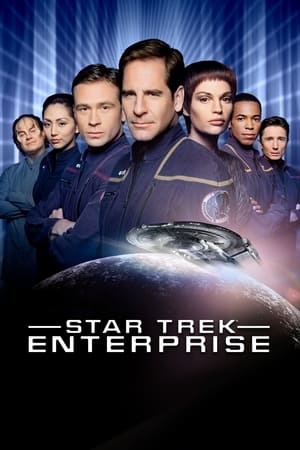
The universe of Star Trek expanded significantly over the decades, introducing new crews, starships, and eras while maintaining a shared continuity. The original timeline, encompassing the original series, its animated continuation, and the first ten films, chronicles the adventures of Captain Kirk and his crew, followed by the transition to Captain Picard and the Next Generation era. This timeline also includes later series such as Deep Space Nine, Voyager, and Enterprise, which explored darker themes, distant quadrants, and prequel narratives. The collection has explored themes ranging from the nature of consciousness and identity to the moral complexities of war and leadership. Its dedicated fanbase, often credited with pioneering modern fan culture, successfully campaigned to keep the collection alive, leading to a long-running film series and numerous television spin-offs.
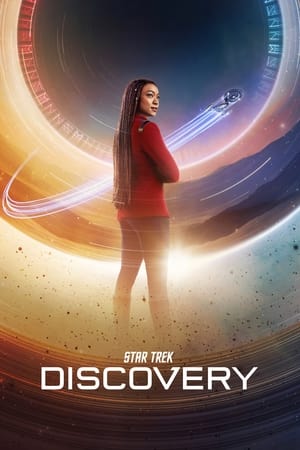
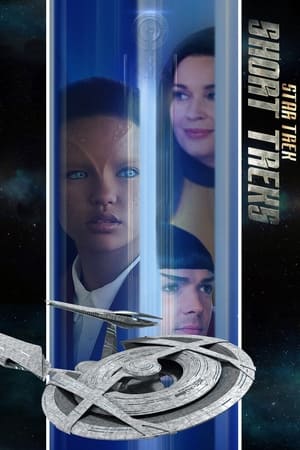
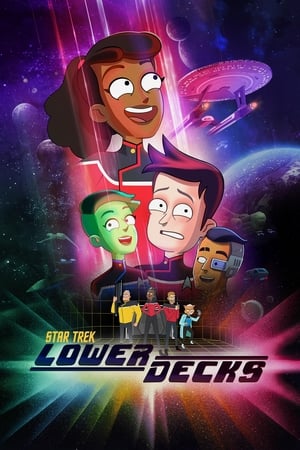
In the 21st century, the collection was revitalized with new series on streaming platforms, including Discovery, Picard, Strange New Worlds, and animated entries like Lower Decks and Prodigy. These additions have expanded the timeline further, delving into previously unexplored eras and character arcs, while maintaining the core ethos of exploration and ethical inquiry. The collection's enduring appeal lies in its ability to adapt to contemporary sensibilities while staying true to its foundational ideals. With a legacy spanning more than half a century, Star Trek has become a cornerstone of popular culture, influencing real-world science, technology, and a vision for a more inclusive society. Its impact extends beyond entertainment, inspiring generations of scientists, engineers, and explorers with the idea that humanity's greatest adventures lie in the stars.