📺 Star Trek: Picard (2020)
Part of Star Trek: The Next Generation
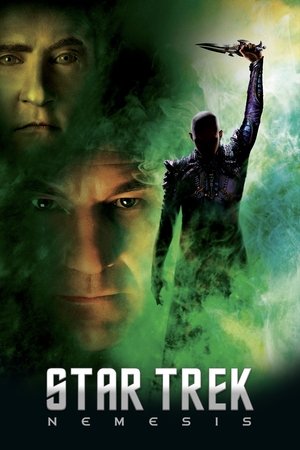
Star Trek: Picard is a science fiction series that serves as a direct sequel to the narrative of Star Trek: The Next Generation, bringing Patrick Stewart back to the role that defined his career. Set two decades after the events of the film Star Trek: Nemesis, the series finds the once-indomitable Jean-Luc Picard retired to his family vineyard, haunted by the death of his android colleague Data and disillusioned by a Starfleet that has turned isolationist. The show deliberately eschews the episodic, planet-of-the-week format of its predecessor in favor of a serialized, character-driven mystery that deconstructs the legendary captain, exploring themes of aging, regret, and redemption.
The first season revolves around Picard's quest to protect a young woman who may be the key to a new generation of synthetic life, forcing him to assemble a ragtag crew aboard a civilian ship, La Sirena. The series is notably slower and more introspective than previous Star Trek installments, a creative choice by showrunner Michael Chabon that polarized fans but was praised for its ambition. The second season takes a wilder swing, sending Picard and his new allies into an alternate timeline version of 2024 Los Angeles to fix a temporal paradox, while also reintroducing the fan-favorite Borg character Seven of Nine as a series regular.
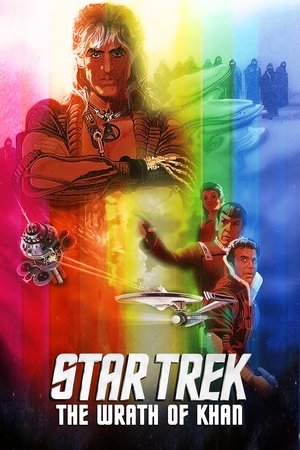
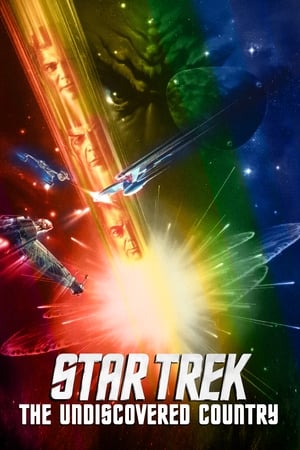
For its third and final season, the series pivoted into a full-blown Next Generation reunion, reassembling the entire principal cast of the 1987 series aboard a rebuilt USS Enterprise-D for one last galaxy-saving mission. This season was widely celebrated as a triumphant, emotionally resonant send-off that corrected the perceived shortcomings of the earlier films, focusing on the enduring bonds of the bridge crew while confronting a shadowy conspiracy linked to the Dominion War. The season featured a new villain, Vadic, and a deep-cut connection to the classic Star Trek II: The Wrath of Khan.
Across its three seasons, Picard functioned as a legacy sequel that bridged the 20th-century era of Star Trek with its modern streaming incarnations. While its reception varied from season to season, the series was nominated for several awards, winning an Emmy for its prosthetic makeup. It ultimately served as a meditation on legacy itself, allowing Stewart to give a final, layered performance that honored the character's diplomatic idealism while acknowledging the weight of his years.
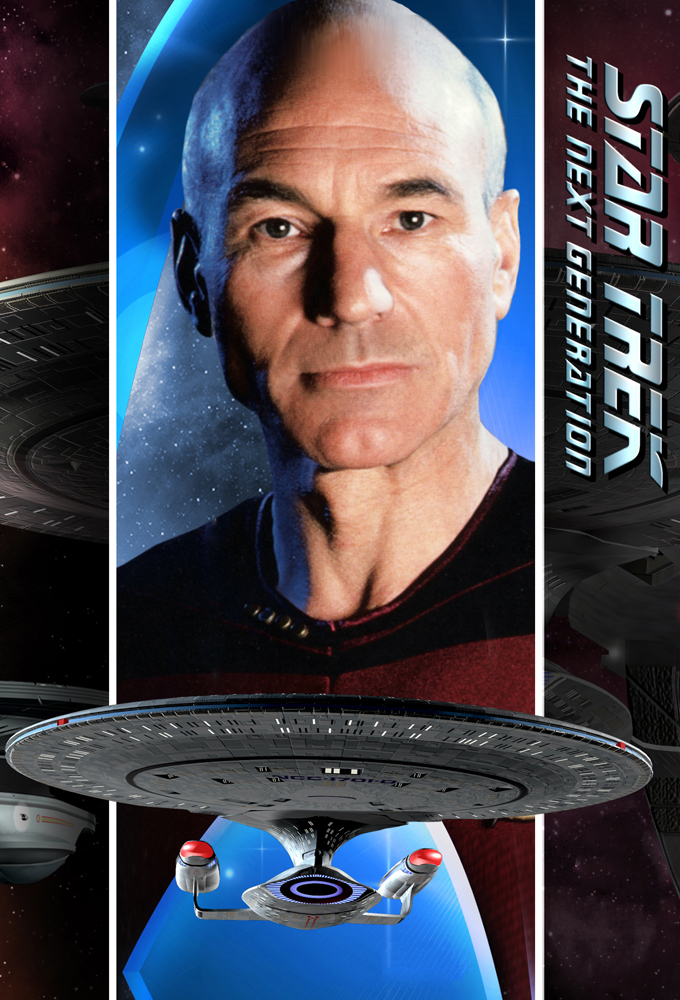
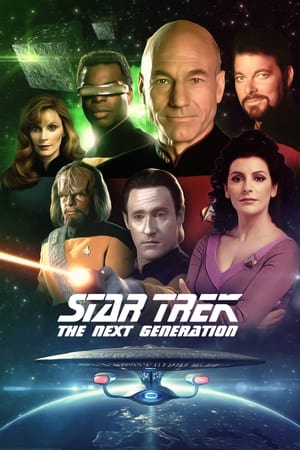
Star Trek: The Next Generation picks up roughly a century after the original series, following the crew of the USS Enterprise-D under the command of Captain Jean-Luc Picard. Premiering in 1987, the series revitalized the Star Trek franchise for a new generation, moving beyond the swashbuckling style of Kirk's era toward more contemplative, ethically complex storytelling. Over seven seasons, TNG tackled themes of artificial intelligence through Data, the nature of consciousness, diplomatic conflict resolution, and the moral responsibilities of a post-scarcity civilization encountering less advanced cultures.
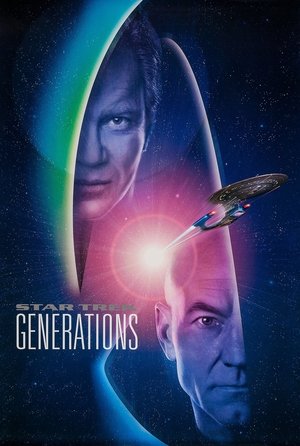
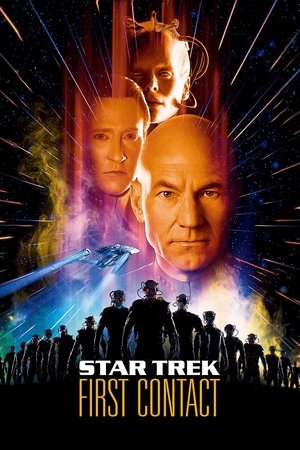
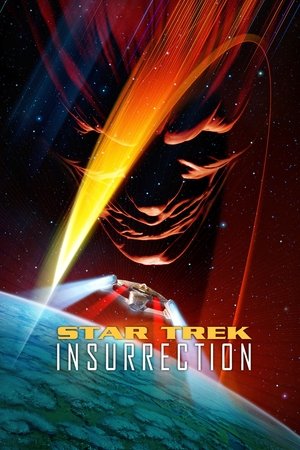
The series spawned four feature films — Generations (1994), First Contact (1996), Insurrection (1998), and Nemesis (2002) — which continued the crew's adventures on a cinematic scale. First Contact, widely regarded as the best of the TNG films, pitted Picard against the Borg in a time-travel narrative that balanced action with deep character exploration. Decades later, Star Trek: Picard (2020) reunited the cast and explored an older, retired Picard grappling with legacy, mortality, and the consequences of his past decisions.
As the cornerstone of Star Trek's golden age of television, TNG's influence extends far beyond its own run. Its episodic moral parables, ensemble cast dynamics, and willingness to engage with philosophical questions set a standard for science fiction television that persists to this day. The franchise defined an era of Star Trek that many fans consider the creative peak of the entire property.
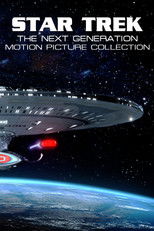
The Star Trek: The Next Generation Collection represents the cinematic extension of a groundbreaking television series set in the 24th century. It follows the voyages of a starship crew as they explore uncharted territories, confront ethical dilemmas, and champion ideals of peace, cooperation, and discovery among diverse species. Renowned for its intellectual depth, moral inquiries, and optimistic vision of humanity's future, the collection has profoundly influenced science fiction and popular culture worldwide.
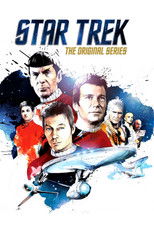
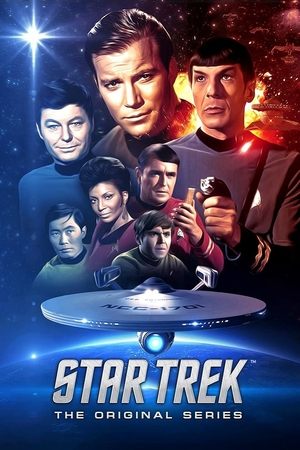
Star Trek is a monumental science fiction collection that began in 1966 with the original television series, envisioning a hopeful future where humanity has overcome its internal divisions to explore the galaxy. The central premise follows the voyages of starships from the United Federation of Planets, an interstellar alliance dedicated to peaceful exploration, diplomacy, and scientific discovery. The collection is renowned for its philosophical storytelling, often using alien encounters and futuristic scenarios as allegories for contemporary social and political issues. At its core, Star Trek is defined by an optimistic vision of the future, emphasizing diversity, cooperation, and the pursuit of knowledge. The iconic Prime Directive, a guiding principle of non-interference in the development of alien civilizations, serves as a recurring ethical touchstone. The original series broke new ground in television history by featuring one of the first multiracial and multicultural casts, including a Black female officer in a prominent role during an era of significant social change.
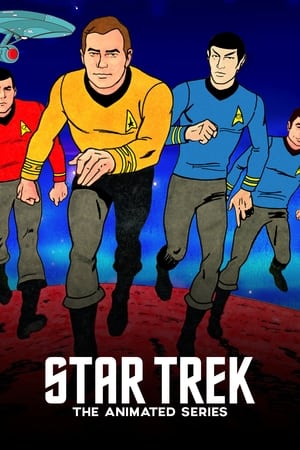
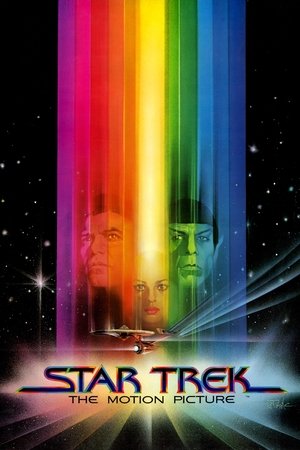
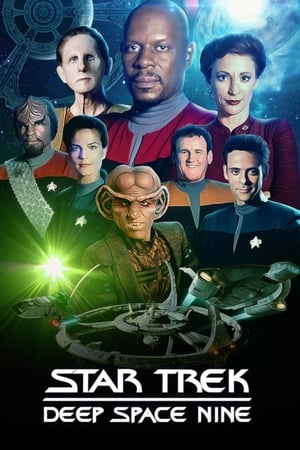
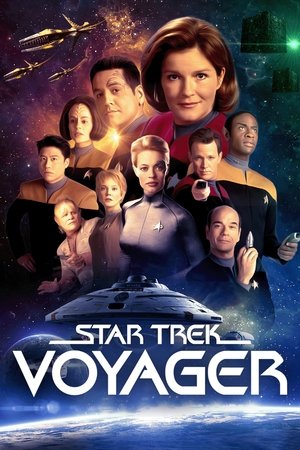
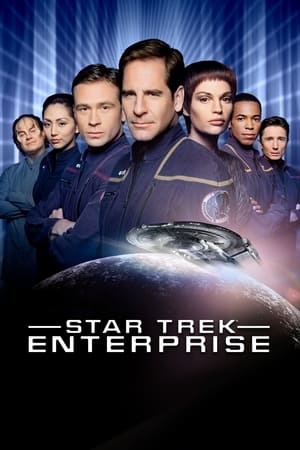
The universe of Star Trek expanded significantly over the decades, introducing new crews, starships, and eras while maintaining a shared continuity. The original timeline, encompassing the original series, its animated continuation, and the first ten films, chronicles the adventures of Captain Kirk and his crew, followed by the transition to Captain Picard and the Next Generation era. This timeline also includes later series such as Deep Space Nine, Voyager, and Enterprise, which explored darker themes, distant quadrants, and prequel narratives. The collection has explored themes ranging from the nature of consciousness and identity to the moral complexities of war and leadership. Its dedicated fanbase, often credited with pioneering modern fan culture, successfully campaigned to keep the collection alive, leading to a long-running film series and numerous television spin-offs.
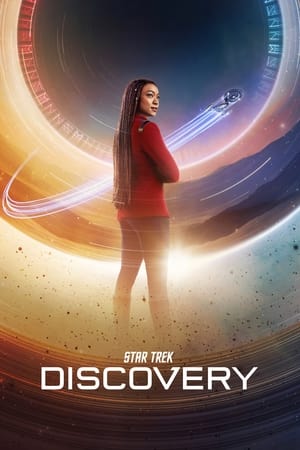
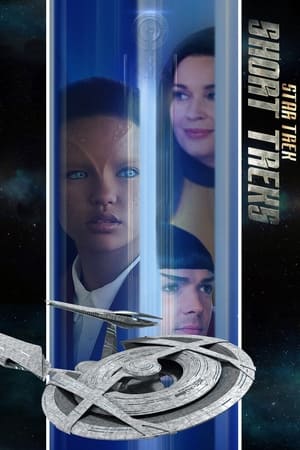
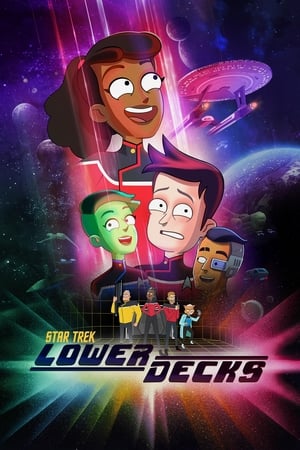
In the 21st century, the collection was revitalized with new series on streaming platforms, including Discovery, Picard, Strange New Worlds, and animated entries like Lower Decks and Prodigy. These additions have expanded the timeline further, delving into previously unexplored eras and character arcs, while maintaining the core ethos of exploration and ethical inquiry. The collection's enduring appeal lies in its ability to adapt to contemporary sensibilities while staying true to its foundational ideals. With a legacy spanning more than half a century, Star Trek has become a cornerstone of popular culture, influencing real-world science, technology, and a vision for a more inclusive society. Its impact extends beyond entertainment, inspiring generations of scientists, engineers, and explorers with the idea that humanity's greatest adventures lie in the stars.