🎬 Star Trek V: The Final Frontier (1989)
Part of Star Trek: Original Timeline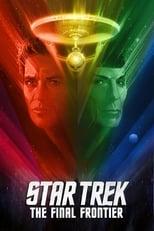
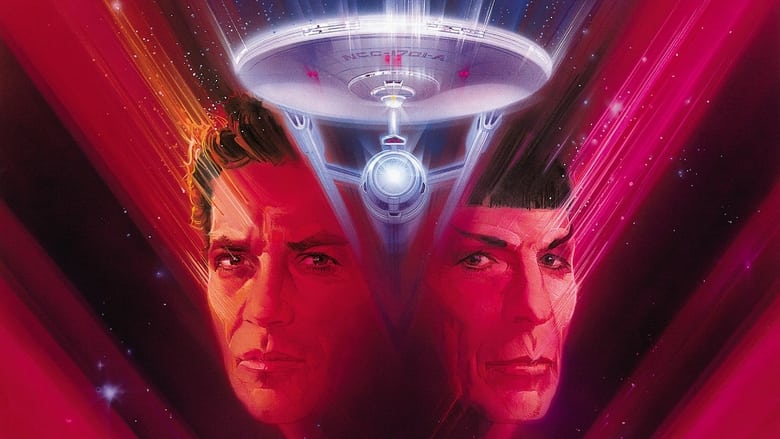
Star Trek V: The Final Frontier is the fifth feature film in the original Star Trek film series, released in 1989 and directed by William Shatner, who also reprises his iconic role as Captain James T. Kirk. The film follows the crew of the USS Enterprise-A as they confront Sybok, a renegade Vulcan who happens to be Spock's half-brother, on a quest to find God at the center of the galaxy. Shatner developed the initial story himself, drawing inspiration from televangelism and the potential for fraud among self-proclaimed spiritual leaders.
The production faced numerous challenges, including a Writers Guild strike that cut into pre-production time, budget constraints that forced the scaling back of the climactic special effects sequence, and creative disagreements among the cast and crew. Series creator Gene Roddenberry disliked the original script, while Leonard Nimoy and DeForest Kelley objected to scenes where their characters would betray Kirk. The film was shot on location in Yosemite National Park and the Mojave Desert, with many veteran Star Trek production designers contributing to the look of the film.
Despite its ambitious themes exploring faith, pain, and the search for meaning, The Final Frontier is often regarded as one of the weaker entries in the original film series, criticized for its uneven tone, limited special effects, and narrative shortcomings. Nevertheless, it features memorable character moments, particularly the camping sequences that showcase the deep friendship between Kirk, Spock, and McCoy. As the only Star Trek film directed by Shatner, it remains a unique curiosity in the franchise's long history, representing both the creative ambitions and the practical limitations of keeping the original crew's adventures alive on the big screen.
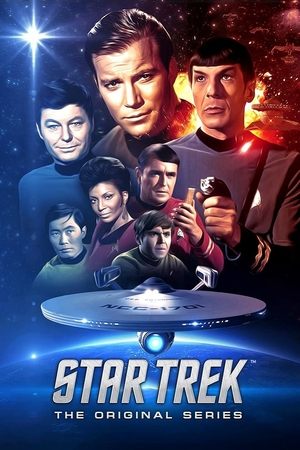
Star Trek is a monumental science fiction collection that began in 1966 with the original television series, envisioning a hopeful future where humanity has overcome its internal divisions to explore the galaxy. The central premise follows the voyages of starships from the United Federation of Planets, an interstellar alliance dedicated to peaceful exploration, diplomacy, and scientific discovery. The collection is renowned for its philosophical storytelling, often using alien encounters and futuristic scenarios as allegories for contemporary social and political issues. At its core, Star Trek is defined by an optimistic vision of the future, emphasizing diversity, cooperation, and the pursuit of knowledge. The iconic Prime Directive, a guiding principle of non-interference in the development of alien civilizations, serves as a recurring ethical touchstone. The original series broke new ground in television history by featuring one of the first multiracial and multicultural casts, including a Black female officer in a prominent role during an era of significant social change.
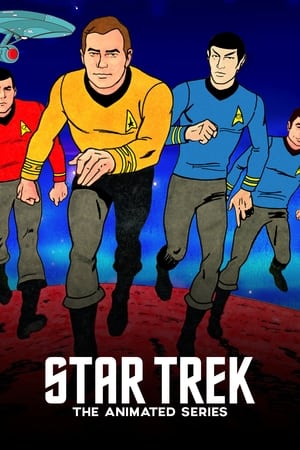
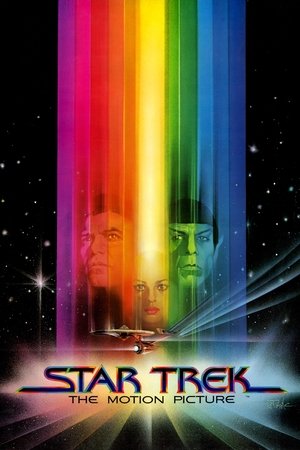
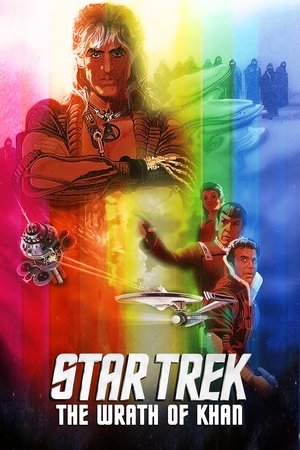
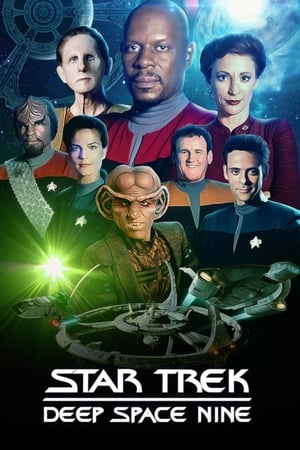
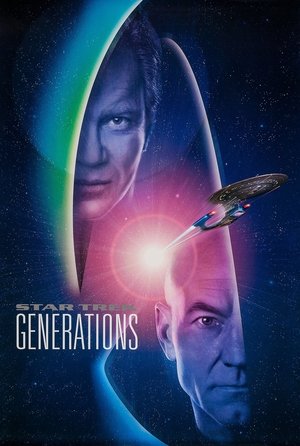
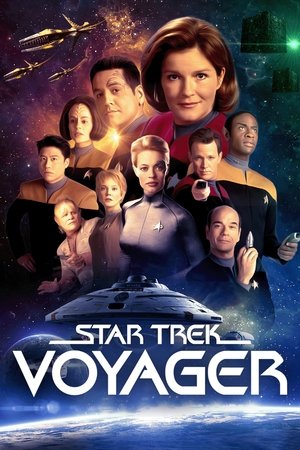
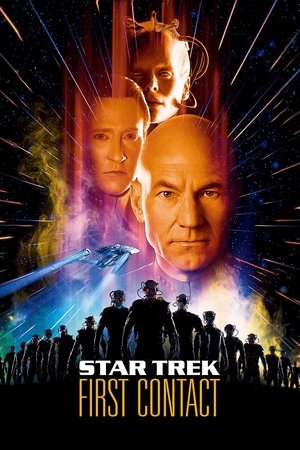
The universe of Star Trek expanded significantly over the decades, introducing new crews, starships, and eras while maintaining a shared continuity. The original timeline, encompassing the original series, its animated continuation, and the first ten films, chronicles the adventures of Captain Kirk and his crew, followed by the transition to Captain Picard and the Next Generation era. This timeline also includes later series such as Deep Space Nine, Voyager, and Enterprise, which explored darker themes, distant quadrants, and prequel narratives. The collection has explored themes ranging from the nature of consciousness and identity to the moral complexities of war and leadership. Its dedicated fanbase, often credited with pioneering modern fan culture, successfully campaigned to keep the collection alive, leading to a long-running film series and numerous television spin-offs.
In the 21st century, the collection was revitalized with new series on streaming platforms, including Discovery, Picard, Strange New Worlds, and animated entries like Lower Decks and Prodigy. These additions have expanded the timeline further, delving into previously unexplored eras and character arcs, while maintaining the core ethos of exploration and ethical inquiry. The collection's enduring appeal lies in its ability to adapt to contemporary sensibilities while staying true to its foundational ideals. With a legacy spanning more than half a century, Star Trek has become a cornerstone of popular culture, influencing real-world science, technology, and a vision for a more inclusive society. Its impact extends beyond entertainment, inspiring generations of scientists, engineers, and explorers with the idea that humanity's greatest adventures lie in the stars.
Born from the visionary mind of creator Gene Roddenberry, this iconic science fiction saga began as a groundbreaking television series that redefined the genre for a new generation. Originally conceived as a "Wagon Train to the Stars," the narrative follows the exploratory missions of a legendary starship and its diverse crew as they navigate the vast unknown of the Milky Way galaxy. Set primarily in the late 23rd century, the stories blend high-concept futuristic technology with deeply humanistic storytelling, exploring complex social, political, and philosophical issues through the lens of interstellar adventure.
The franchise quickly transcended its initial broadcast run to become an enduring cultural phenomenon, spawning an expansive multimedia universe that continues to captivate audiences worldwide. At its core, the saga champions themes of unity, curiosity, and peaceful exploration, presenting a hopeful vision of humanity's future where cooperation and scientific discovery triumph over conflict. Its enduring legacy lies in its ability to inspire generations of scientists, engineers, and dreamers, while consistently pushing the boundaries of speculative fiction.
Over the decades, the saga has evolved into a cornerstone of modern pop culture, celebrated for its rich world-building, memorable ensemble dynamics, and timeless optimism. The original cast and their iconic vessel remain the definitive representation of the franchise's spirit, embodying a classic era of storytelling that balances thrilling space operas with thoughtful character-driven narratives. This foundational chapter continues to serve as the bedrock upon which the entire expansive universe is built, maintaining a devoted global fanbase that cherishes its pioneering vision.