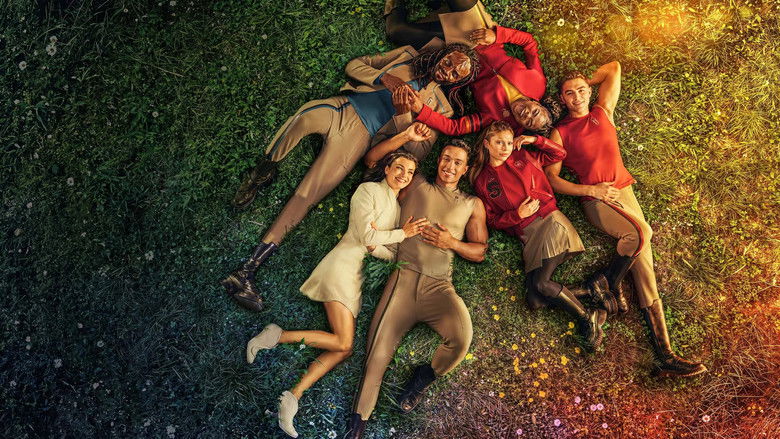
📺 Star Trek: Starfleet Academy (2026)
Part of Star Trek: Original Timeline
Star Trek: Starfleet Academy takes the venerable franchise into uncharted academic territory, shifting the focus from seasoned starship crews to the fresh-faced cadets of the 32nd century. Created by Gaia Violo and shepherded by franchise overseer Alex Kurtzman, the series is set in the far-future timeline established by Star Trek: Discovery, following a century-long drought in Starfleet recruitment. The show centers on the first new class of cadets in over a hundred years as they navigate the rigorous trials of officer training, coming-of-age drama, and the unique challenges of a galaxy still rebuilding after the cataclysmic Burn.
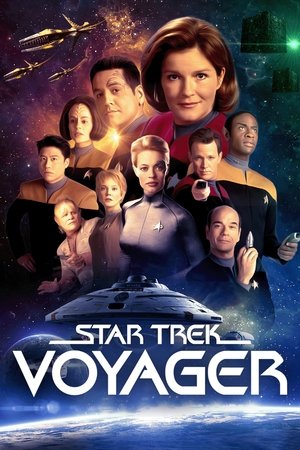
The series boasts a multigenerational cast, headlined by Academy Award winner Holly Hunter as the institution's chancellor, alongside a diverse ensemble of young actors portraying the cadets. In a direct link to its parent show, Tig Notaro and Oded Fehr reprise their roles as Jett Reno and Admiral Charles Vance from Discovery, while Robert Picardo returns as the beloved holographic Doctor from Star Trek: Voyager, providing a bridge to the franchise's 24th-century legacy. This blend of new blood and familiar faces aims to honor the past while boldly exploring the formative years of the next generation of explorers.
Upon its premiere on Paramount+ in January 2026, Starfleet Academy garnered generally favorable reviews from critics, who praised its fresh perspective and Hunter's commanding performance. However, the series also became a target for review bombing, a phenomenon that has affected several recent franchise entries. Despite the mixed audience metrics, the show's first season ran for ten episodes, concluding in March 2026, with a second and final season already filmed back-to-back and expected to debut in 2027, bringing this particular chapter of the Star Trek Universe to a planned conclusion.
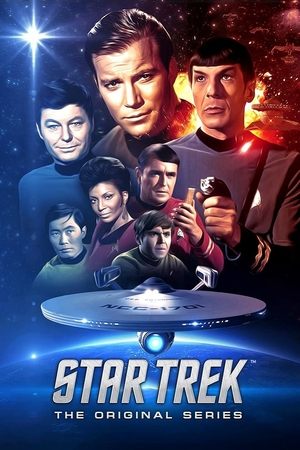
Star Trek is a monumental science fiction collection that began in 1966 with the original television series, envisioning a hopeful future where humanity has overcome its internal divisions to explore the galaxy. The central premise follows the voyages of starships from the United Federation of Planets, an interstellar alliance dedicated to peaceful exploration, diplomacy, and scientific discovery. The collection is renowned for its philosophical storytelling, often using alien encounters and futuristic scenarios as allegories for contemporary social and political issues. At its core, Star Trek is defined by an optimistic vision of the future, emphasizing diversity, cooperation, and the pursuit of knowledge. The iconic Prime Directive, a guiding principle of non-interference in the development of alien civilizations, serves as a recurring ethical touchstone. The original series broke new ground in television history by featuring one of the first multiracial and multicultural casts, including a Black female officer in a prominent role during an era of significant social change.
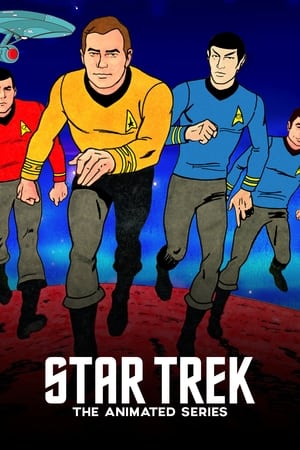
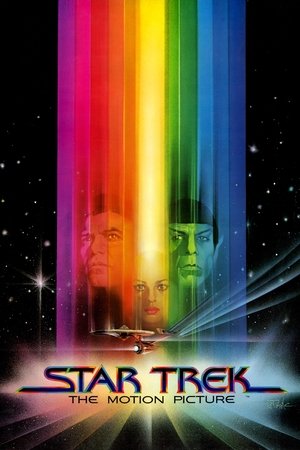
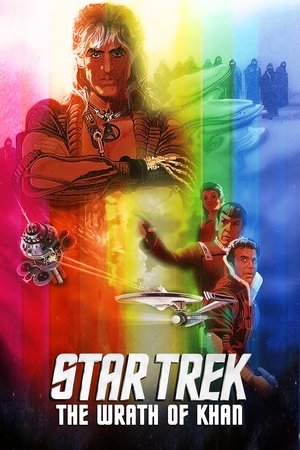
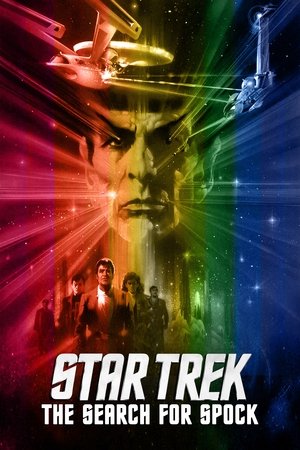
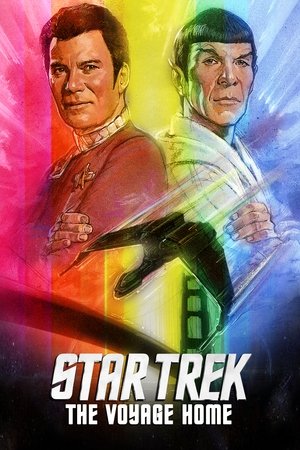
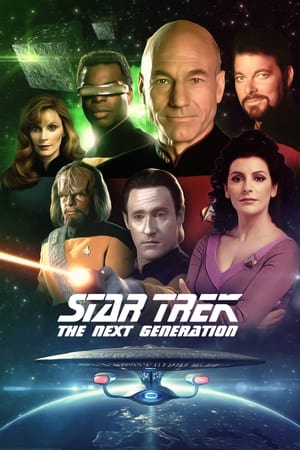
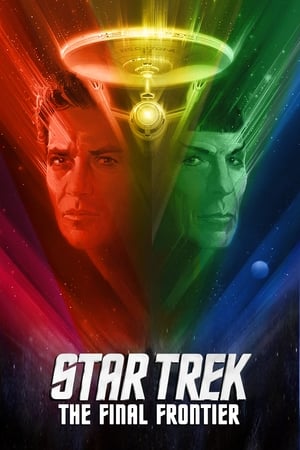
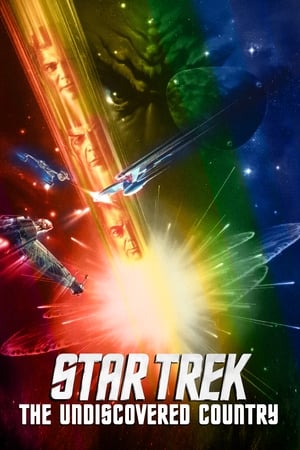
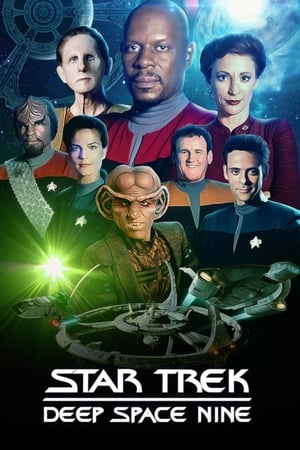
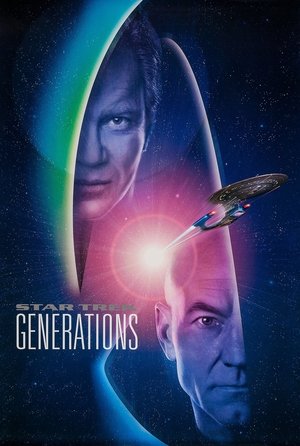
The universe of Star Trek expanded significantly over the decades, introducing new crews, starships, and eras while maintaining a shared continuity. The original timeline, encompassing the original series, its animated continuation, and the first ten films, chronicles the adventures of Captain Kirk and his crew, followed by the transition to Captain Picard and the Next Generation era. This timeline also includes later series such as Deep Space Nine, Voyager, and Enterprise, which explored darker themes, distant quadrants, and prequel narratives. The collection has explored themes ranging from the nature of consciousness and identity to the moral complexities of war and leadership. Its dedicated fanbase, often credited with pioneering modern fan culture, successfully campaigned to keep the collection alive, leading to a long-running film series and numerous television spin-offs.
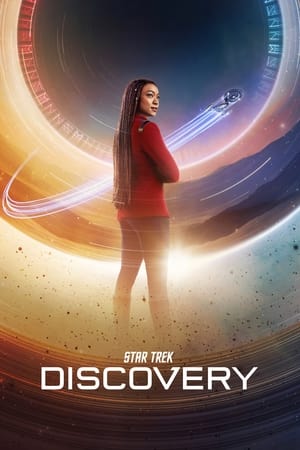
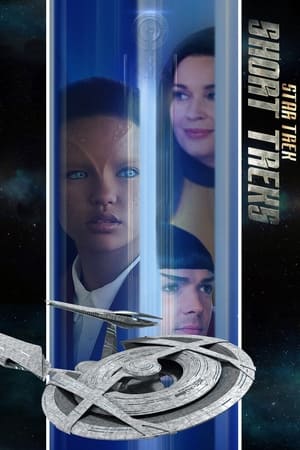
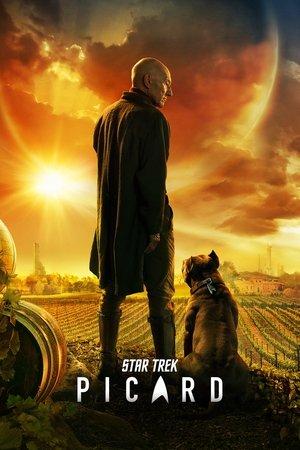
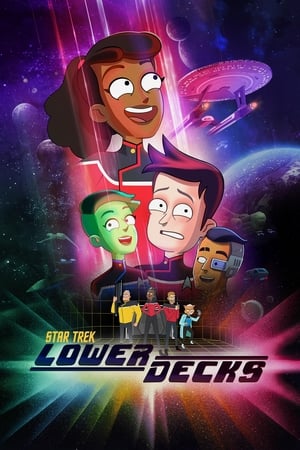
In the 21st century, the collection was revitalized with new series on streaming platforms, including Discovery, Picard, Strange New Worlds, and animated entries like Lower Decks and Prodigy. These additions have expanded the timeline further, delving into previously unexplored eras and character arcs, while maintaining the core ethos of exploration and ethical inquiry. The collection's enduring appeal lies in its ability to adapt to contemporary sensibilities while staying true to its foundational ideals. With a legacy spanning more than half a century, Star Trek has become a cornerstone of popular culture, influencing real-world science, technology, and a vision for a more inclusive society. Its impact extends beyond entertainment, inspiring generations of scientists, engineers, and explorers with the idea that humanity's greatest adventures lie in the stars.