📺 Star Trek: Discovery (2017)
Part of Star Trek: Original Timeline
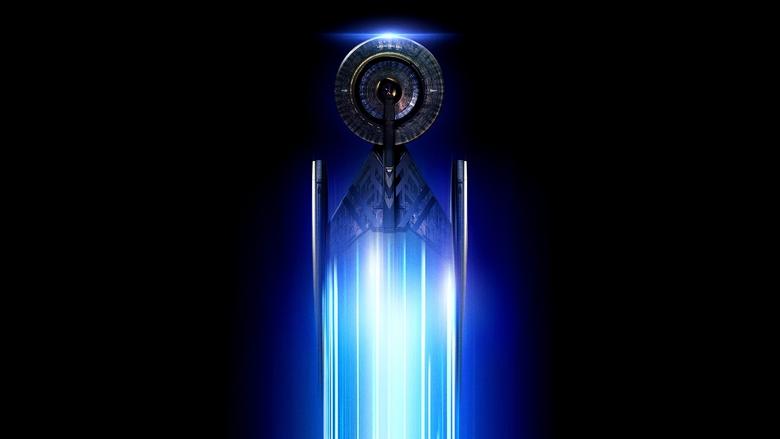
Star Trek: Discovery (2017) is the Paramount+ (CBS All Access in its first two seasons) series developed by Bryan Fuller and Alex Kurtzman, the first new live-action Star Trek television series since 'Enterprise' concluded in 2005. The show is set roughly a decade before the events of Gene Roddenberry's 1966 'Star Trek: The Original Series' and follows Commander Michael Burnham (Sonequa Martin-Green), a human raised on Vulcan, through the Klingon War and a series of time-and-dimension-spanning missions aboard the USS Discovery. The franchise's serialised storytelling format here departs substantially from the episodic procedural style of the 1966 series, but Roddenberry's Federation-and-Explorer framework remains the underlying source material. The series ran for five seasons through 2024 and launched the modern Star Trek television revival.

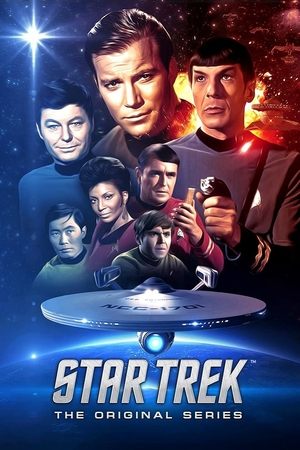
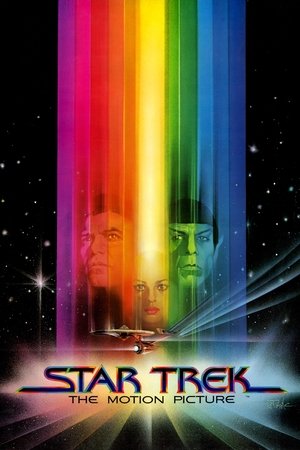
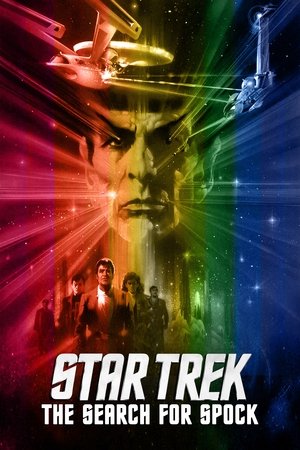
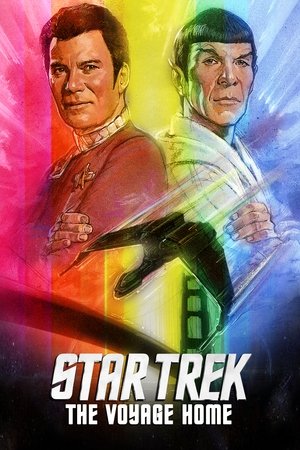
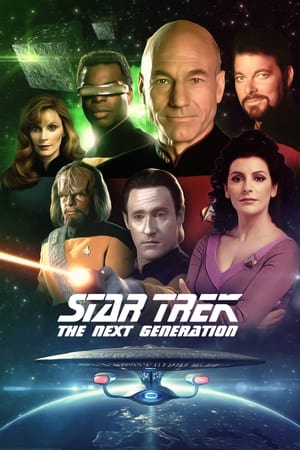
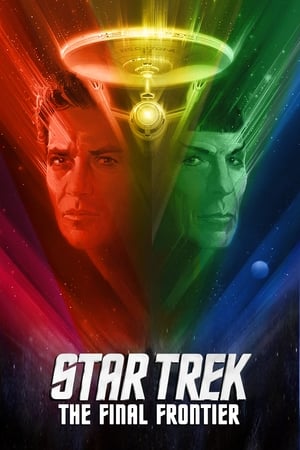
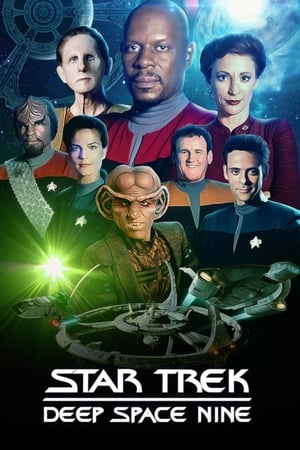
'Star Trek: The Original Series' (TOS) is the NBC science-fiction television series created by Gene Roddenberry, which premiered on 8 September 1966 and ran for three seasons (79 episodes) through 1969. The series follows Captain James T. Kirk (William Shatner), First Officer Spock (Leonard Nimoy), and Chief Medical Officer Leonard McCoy (DeForest Kelley) aboard the Federation starship USS Enterprise on its five-year mission to explore strange new worlds. Initially a modest Nielsen performer, TOS found its audience in syndication and became the foundation of the long-running Star Trek franchise, which has grown to encompass thirteen theatrical films beginning with 'Star Trek: The Motion Picture' (1979) and eleven television spin-offs including 'Star Trek: The Next Generation' (1987), 'Deep Space Nine' (1993), and 'Star Trek: Discovery' (2017).
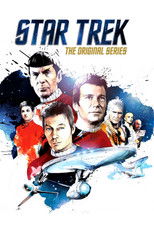
Star Trek is a monumental science fiction collection that began in 1966 with the original television series, envisioning a hopeful future where humanity has overcome its internal divisions to explore the galaxy. The central premise follows the voyages of starships from the United Federation of Planets, an interstellar alliance dedicated to peaceful exploration, diplomacy, and scientific discovery. The collection is renowned for its philosophical storytelling, often using alien encounters and futuristic scenarios as allegories for contemporary social and political issues. At its core, Star Trek is defined by an optimistic vision of the future, emphasizing diversity, cooperation, and the pursuit of knowledge. The iconic Prime Directive, a guiding principle of non-interference in the development of alien civilizations, serves as a recurring ethical touchstone. The original series broke new ground in television history by featuring one of the first multiracial and multicultural casts, including a Black female officer in a prominent role during an era of significant social change.
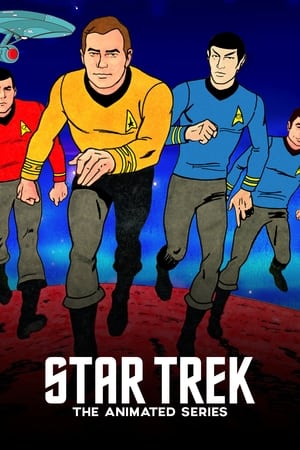
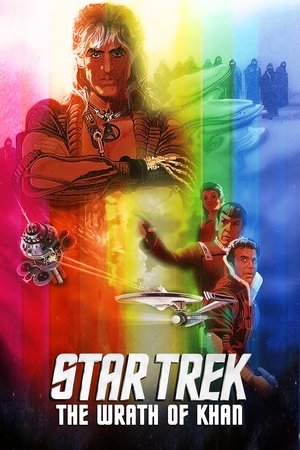
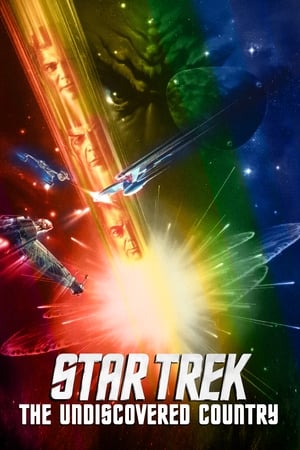
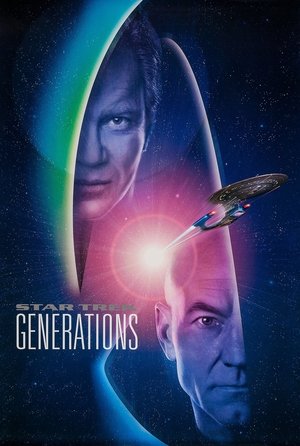
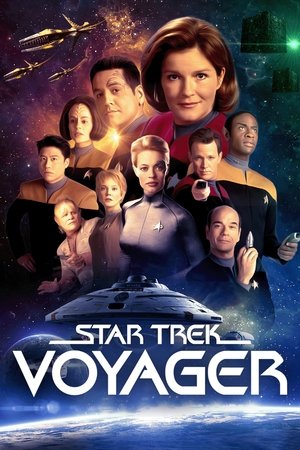
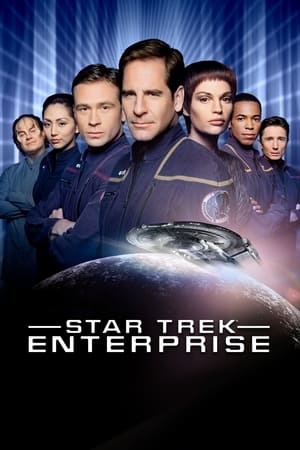
The universe of Star Trek expanded significantly over the decades, introducing new crews, starships, and eras while maintaining a shared continuity. The original timeline, encompassing the original series, its animated continuation, and the first ten films, chronicles the adventures of Captain Kirk and his crew, followed by the transition to Captain Picard and the Next Generation era. This timeline also includes later series such as Deep Space Nine, Voyager, and Enterprise, which explored darker themes, distant quadrants, and prequel narratives. The collection has explored themes ranging from the nature of consciousness and identity to the moral complexities of war and leadership. Its dedicated fanbase, often credited with pioneering modern fan culture, successfully campaigned to keep the collection alive, leading to a long-running film series and numerous television spin-offs.
In the 21st century, the collection was revitalized with new series on streaming platforms, including Discovery, Picard, Strange New Worlds, and animated entries like Lower Decks and Prodigy. These additions have expanded the timeline further, delving into previously unexplored eras and character arcs, while maintaining the core ethos of exploration and ethical inquiry. The collection's enduring appeal lies in its ability to adapt to contemporary sensibilities while staying true to its foundational ideals. With a legacy spanning more than half a century, Star Trek has become a cornerstone of popular culture, influencing real-world science, technology, and a vision for a more inclusive society. Its impact extends beyond entertainment, inspiring generations of scientists, engineers, and explorers with the idea that humanity's greatest adventures lie in the stars.