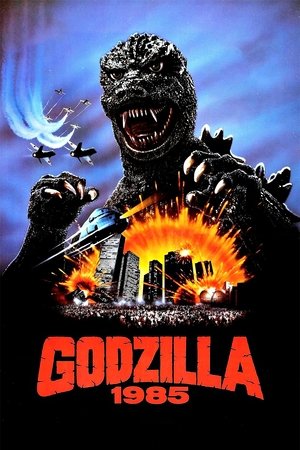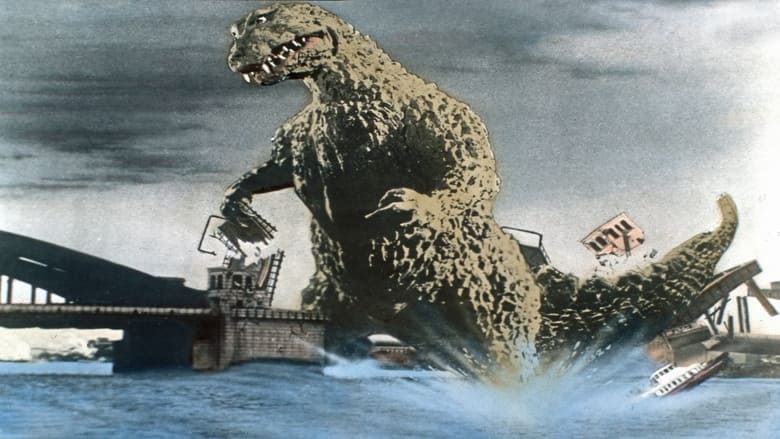
🎬 Godzilla, King of the Monsters! (1956)
Part of Americanized Godzilla
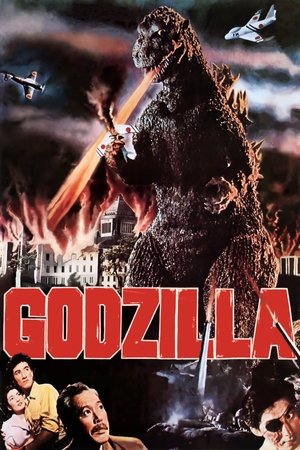
"Godzilla, King of the Monsters!" is the 1956 film that first brought the iconic giant monster to American audiences, but it is far more than a simple translation. It is a radical re-engineering of Ishirō Honda's somber 1954 masterpiece. Producer Joseph E. Levine and his team took the original Japanese film, a grave allegory for nuclear holocaust, and reshaped it into a more conventional monster-on-the-loose picture, framed through the eyes of a new character: American reporter Steve Martin, played by Raymond Burr.
Burr's scenes, shot in a matter of days, were expertly spliced into the existing Toho footage. Through clever editing and the use of body doubles, Martin is inserted into the heart of the action, reacting to the devastation and narrating the events as a witness. This process fundamentally altered the film's tone and narrative structure, downplaying the original's deep-seated cultural trauma in favor of a more immediate, journalistic thriller format. The result is a unique cinematic hybrid, a film that is simultaneously a Japanese monster classic and an American B-movie.
The film was a massive commercial success, playing a pivotal role in launching Godzilla as a global pop culture phenomenon. For decades, this was the only version of the story most Western viewers knew. While modern audiences often view it as a compromised version of a superior original, its historical significance is undeniable. "Godzilla, King of the Monsters!" stands as a landmark of film localization, a fascinating artifact that demonstrates how a story can be completely transformed to cross cultural borders.
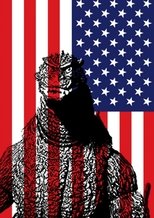
The "Americanized Godzilla" collection refers to a specific set of four films from the larger Godzilla franchise that underwent radical reconstruction for their North American theatrical releases. Far more than simple dubbing efforts, these versions were heavily re-edited, often with significant portions of the original Japanese footage removed and new scenes featuring American or English-speaking actors inserted. This practice, which began in 1956 with *Godzilla, King of the Monsters!* and continued through 1985's *Godzilla 1985*, was designed to make the distinctly Japanese narratives more accessible and commercially viable for Western audiences of the time. The result was a parallel series of films that often diverged significantly in tone, pacing, and thematic emphasis from their Toho Studios originals, transforming somber, allegorical tales into more straightforward monster-on-the-loose spectacles.
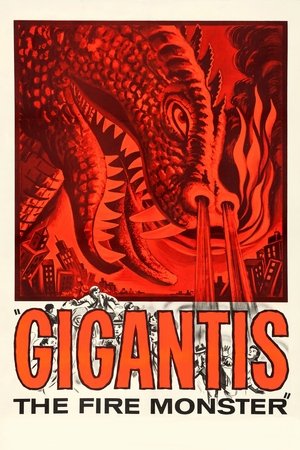
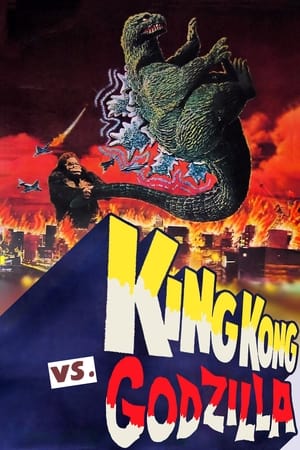
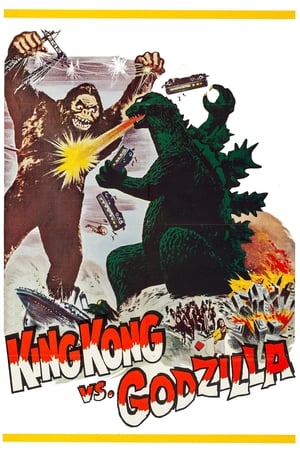
This collection is historically significant as the primary vector through which the Godzilla character and the kaiju genre infiltrated American popular culture for decades. For many international fans, these re-engineered versions were the only ones available, shaping a Western perception of Godzilla as a campy, destructive anti-hero rather than the complex embodiment of nuclear trauma originally conceived. The process evolved over the years, from the perspective-shifting insertion of Raymond Burr in the first film to the perplexing re-titling of the second film as *Gigantis, the Fire Monster* in an attempt to disguise its connection to the original, and the playful addition of newsroom scenes to amplify the camp value of *King Kong vs. Godzilla*. The final entry, *Godzilla 1985*, demonstrated the format's enduring commercial logic by reframing a direct sequel to the 1954 classic with a new military command center subplot featuring American actors.
The legacy of this collection is complex and double-edged. While often dismissed by purists as compromised curiosities that diluted the artistry of Toho's original visions, their cultural impact is undeniable. They stand as fascinating artifacts of a bygone era in film distribution, offering a unique lens through which to examine how cultural products are translated, transformed, and sometimes mangled in their journey across the Pacific. Today, with the original Japanese versions widely available, these Americanized cuts are studied less as definitive versions of the films and more as historical documents of mid-20th-century cinematic exchange and the commercial assumptions that drove it.
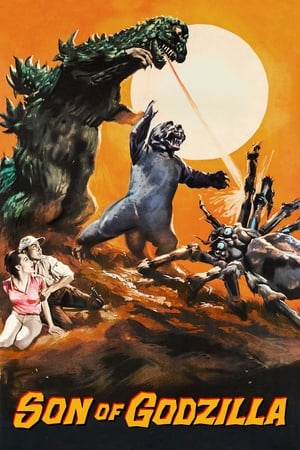
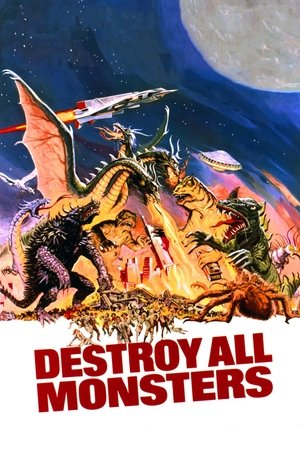
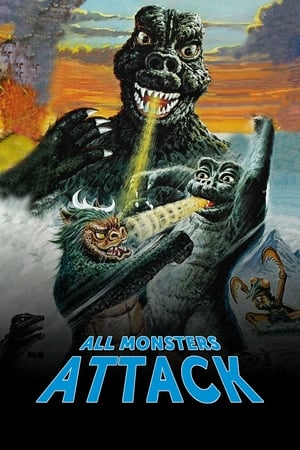
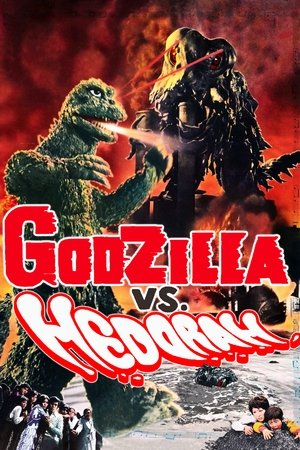
The Godzilla Shōwa Era is the original film series that launched the iconic kaiju franchise, spanning from 1954 to 1975 and comprising 15 films. This foundational collection introduced the world to Godzilla, a prehistoric reptile mutated by nuclear radiation, and established the core mythology, characters, and spectacle that would define the character for decades. Emerging in post-war Japan, the series began as a direct cultural response to the atomic bombings and nuclear testing that haunted the nation, using the giant monster as a powerful allegory for humanity's destructive capabilities and the unforeseen consequences of scientific advancement.
Over its two-decade run, the series underwent a significant tonal evolution. The somber, critically acclaimed original film gave way to increasingly fantastical and family-friendly adventures. Godzilla himself transformed from a terrifying force of nature into a heroic protector, often teaming up with fellow monsters like Mothra, Rodan, and Anguirus to defend Earth from extraterrestrial invaders and rogue creations such as King Ghidorah and Mechagodzilla. This shift introduced the beloved 'monster rally' formula, pitting multiple kaiju against each other in sprawling urban battlefields, and embraced a campy, imaginative style that became a hallmark of the era.
The Shōwa era pioneered the practical special effects technique known as suitmation, which became synonymous with the kaiju genre and influenced countless filmmakers worldwide. It introduced many of the franchise's most enduring creatures and established recurring themes of environmental stewardship, the dangers of unchecked technological hubris, and the resilience of life in the face of catastrophe. Despite fluctuating budgets and varying critical reception, the series maintained a consistent creative spirit that resonated with audiences and built a dedicated global fanbase.
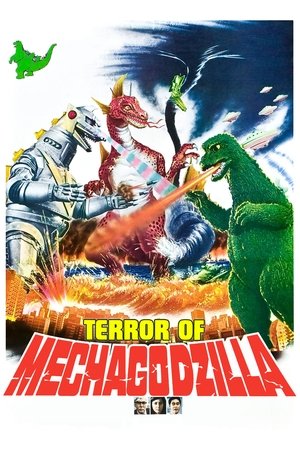
Concluding with Terror of Mechagodzilla in 1975, the Shōwa era gave way to a nine-year hiatus before the franchise was revived. This foundational period remains a touchstone for fans and filmmakers, celebrated for its inventive storytelling, iconic monster designs, and lasting cultural impact. It set the stage for all subsequent Godzilla eras and cemented the character's status as a global pop culture phenomenon, ensuring that the Shōwa films continue to captivate new generations of viewers.