🎬 King Kong vs. Godzilla (1962)
Part of Godzilla Shōwa Era
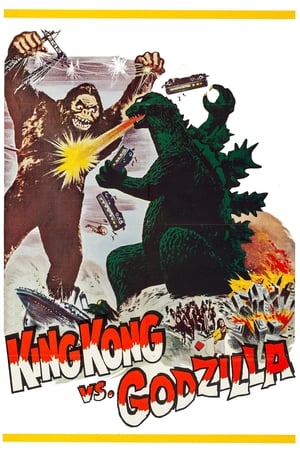
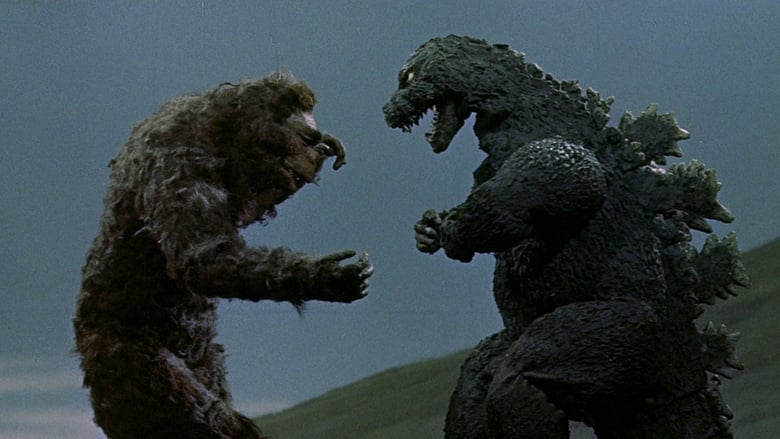
King Kong vs. Godzilla is a landmark 1962 Japanese kaiju film that orchestrated the first cinematic clash between two of the world's most iconic giant monsters. Directed by Ishirō Honda with special effects by Eiji Tsuburaya, the film serves as the third entry in Toho's Godzilla series and marked the first time either creature appeared in color and widescreen. The plot is a satirical spectacle: an American submarine awakens Godzilla from an iceberg, while a pharmaceutical company captures King Kong on Faro Island for a publicity stunt, inevitably leading to a colossal showdown on Mount Fuji.
The film's origins are as unusual as its premise. The project began with Willis O'Brien, the stop-motion pioneer behind the original 1933 King Kong, who developed a story treatment for a film pitting Kong against a giant Frankenstein monster. Producer John Beck acquired the rights and, unbeknownst to O'Brien, shopped the project to Toho, which replaced Frankenstein's monster with their own homegrown titan, Godzilla. This behind-the-scenes maneuvering resulted in a uniquely comedic and brightly lit entry in the Godzilla canon, a stark contrast to the somber tone of the 1954 original.
Upon its release, King Kong vs. Godzilla was a massive commercial success, becoming the highest-grossing Godzilla film of the Showa era and the second-highest-grossing Japanese film in history at the time. The film is infamous for its debated ending, which appears to show Kong swimming away victorious, though Toho has officially maintained that both monsters survived. It also introduced key elements to the franchise, such as Godzilla's battle with another monster and the use of the military's advanced weaponry to intervene in the chaos.
Decades later, the film's legacy endures, having been heavily re-edited for its American release with new scenes featuring actor Michael Keith. This version, which removed much of the original's satirical bite, was the only one available in the United States for many years. The concept of a rematch was revived in 2021 with the American blockbuster Godzilla vs. Kong, a direct descendant of the trailblazing path carved by this 1962 classic.
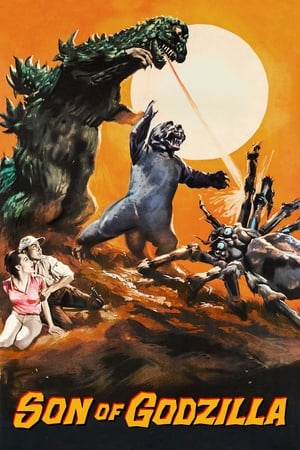
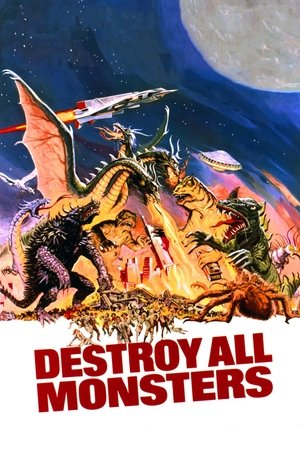
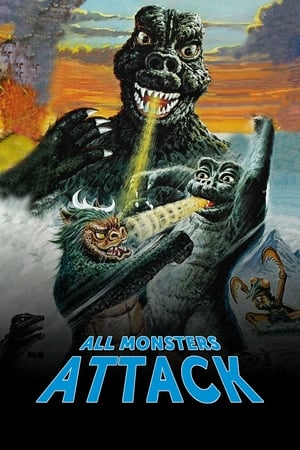
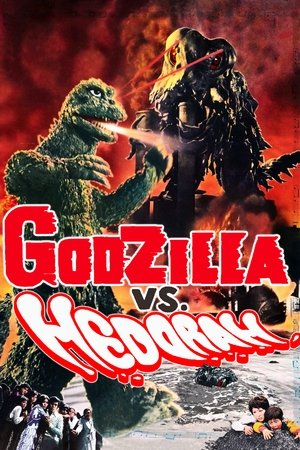
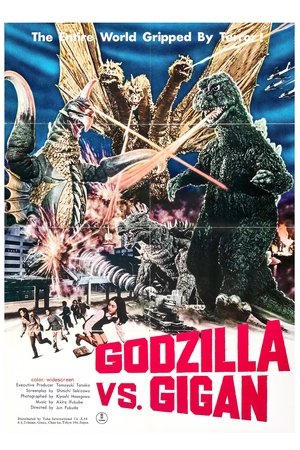
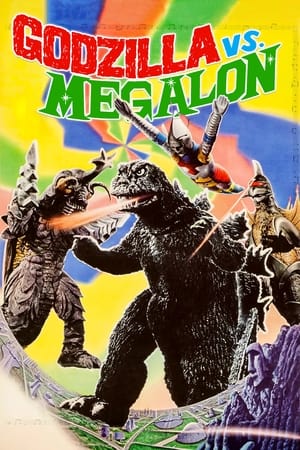
The Godzilla Shōwa Era is the original film series that launched the iconic kaiju franchise, spanning from 1954 to 1975 and comprising 15 films. This foundational collection introduced the world to Godzilla, a prehistoric reptile mutated by nuclear radiation, and established the core mythology, characters, and spectacle that would define the character for decades. Emerging in post-war Japan, the series began as a direct cultural response to the atomic bombings and nuclear testing that haunted the nation, using the giant monster as a powerful allegory for humanity's destructive capabilities and the unforeseen consequences of scientific advancement.
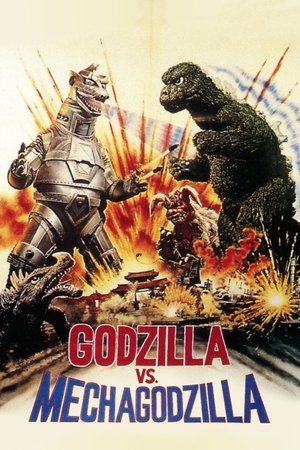
Over its two-decade run, the series underwent a significant tonal evolution. The somber, critically acclaimed original film gave way to increasingly fantastical and family-friendly adventures. Godzilla himself transformed from a terrifying force of nature into a heroic protector, often teaming up with fellow monsters like Mothra, Rodan, and Anguirus to defend Earth from extraterrestrial invaders and rogue creations such as King Ghidorah and Mechagodzilla. This shift introduced the beloved 'monster rally' formula, pitting multiple kaiju against each other in sprawling urban battlefields, and embraced a campy, imaginative style that became a hallmark of the era.
The Shōwa era pioneered the practical special effects technique known as suitmation, which became synonymous with the kaiju genre and influenced countless filmmakers worldwide. It introduced many of the franchise's most enduring creatures and established recurring themes of environmental stewardship, the dangers of unchecked technological hubris, and the resilience of life in the face of catastrophe. Despite fluctuating budgets and varying critical reception, the series maintained a consistent creative spirit that resonated with audiences and built a dedicated global fanbase.
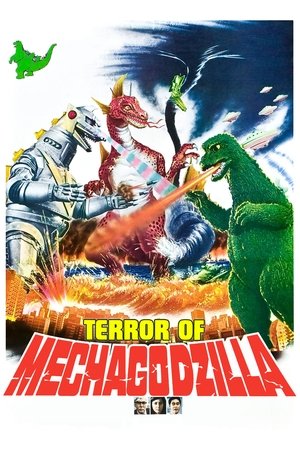
Concluding with Terror of Mechagodzilla in 1975, the Shōwa era gave way to a nine-year hiatus before the franchise was revived. This foundational period remains a touchstone for fans and filmmakers, celebrated for its inventive storytelling, iconic monster designs, and lasting cultural impact. It set the stage for all subsequent Godzilla eras and cemented the character's status as a global pop culture phenomenon, ensuring that the Shōwa films continue to captivate new generations of viewers.