🎬 Godzilla vs. Mechagodzilla (1974)
Part of Godzilla Shōwa Era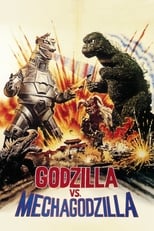
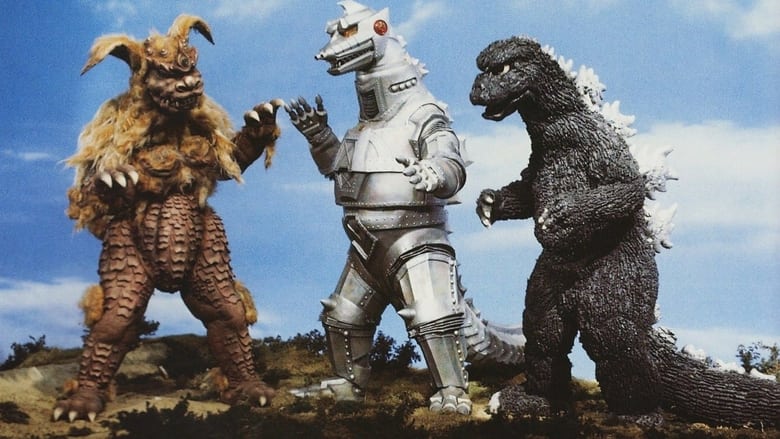
Godzilla vs. Mechagodzilla marks a pivotal and wildly entertaining turning point in the Shōwa era of the franchise, introducing one of the series' most iconic antagonists. Directed by Jun Fukuda, the 14th Godzilla film pivots from the ecological warnings of its predecessors into a realm of science fiction spectacle, alien invasion, and ancient prophecy. The plot kicks off with a malevolent, Godzilla-impostor rampaging across Japan, which is soon revealed to be Mechagodzilla, a colossal robot constructed by a race of ape-like extraterrestrials bent on world domination. The real Godzilla emerges to defend Earth, but even the King of the Monsters is initially overpowered by the machine's devastating arsenal of finger missiles, eye lasers, and a force field. The film's narrative takes a mystical detour as the heroes must awaken King Caesar, an ancient guardian deity resembling a shaggy, lion-like golem, to even the odds in a climactic, two-on-one tag-team battle on the rocky shores of Okinawa.
This entry is notable for its radical tonal shift, blending hard sci-fi with elements of Japanese mythology, a combination that gives it a unique flavor within the Godzilla canon. The film also marks the final appearance of the beloved monster Anguirus, who suffers a brutal, jaw-shattering defeat at the hands of the mechanical doppelgänger in a scene that shocked younger audiences. The special effects by Teruyoshi Nakano are particularly explosive, with pyrotechnics and high-concept destruction that give the monster brawls a visceral, almost brutal quality. Mechagodzilla itself is a marvel of suitmation design, a sleek and menacing silver titan constructed from sheet metal and resin that instantly became a fan favorite and would return as a recurring character in various forms for decades to come.
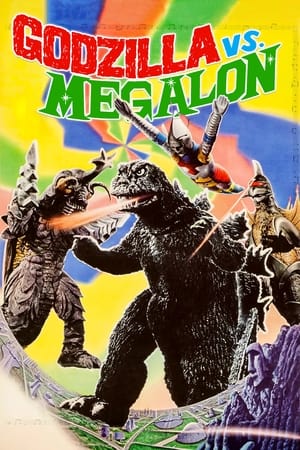
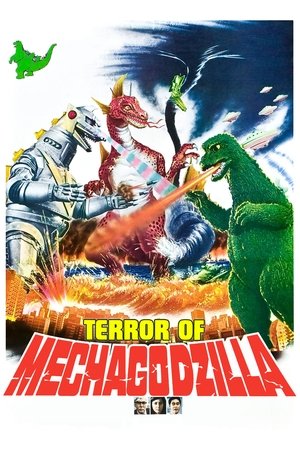
Upon its American release, the film underwent a strange journey of retitling, first appearing as Godzilla vs. the Bionic Monster, a name quickly dropped after a legal threat from Universal Studios over the similarity to their television property The Six Million Dollar Man. It was hastily re-released as Godzilla vs. the Cosmic Monster, a title that, while generic, better captures the film's interstellar conflict. Despite these distribution quirks, the movie was a critical and commercial success in Japan, praised for its fast pacing, memorable villain, and the sheer fun of its monster action. It successfully revitalized the series after the more child-oriented Godzilla vs. Megalon, steering it back toward a slightly darker, more action-driven tone that would culminate in the direct sequel, Terror of Mechagodzilla, the following year.
The Godzilla Shōwa Era is the original film series that launched the iconic kaiju franchise, spanning from 1954 to 1975 and comprising 15 films. This foundational collection introduced the world to Godzilla, a prehistoric reptile mutated by nuclear radiation, and established the core mythology, characters, and spectacle that would define the character for decades. Emerging in post-war Japan, the series began as a direct cultural response to the atomic bombings and nuclear testing that haunted the nation, using the giant monster as a powerful allegory for humanity's destructive capabilities and the unforeseen consequences of scientific advancement.
Over its two-decade run, the series underwent a significant tonal evolution. The somber, critically acclaimed original film gave way to increasingly fantastical and family-friendly adventures. Godzilla himself transformed from a terrifying force of nature into a heroic protector, often teaming up with fellow monsters like Mothra, Rodan, and Anguirus to defend Earth from extraterrestrial invaders and rogue creations such as King Ghidorah and Mechagodzilla. This shift introduced the beloved 'monster rally' formula, pitting multiple kaiju against each other in sprawling urban battlefields, and embraced a campy, imaginative style that became a hallmark of the era.
The Shōwa era pioneered the practical special effects technique known as suitmation, which became synonymous with the kaiju genre and influenced countless filmmakers worldwide. It introduced many of the franchise's most enduring creatures and established recurring themes of environmental stewardship, the dangers of unchecked technological hubris, and the resilience of life in the face of catastrophe. Despite fluctuating budgets and varying critical reception, the series maintained a consistent creative spirit that resonated with audiences and built a dedicated global fanbase.
Concluding with Terror of Mechagodzilla in 1975, the Shōwa era gave way to a nine-year hiatus before the franchise was revived. This foundational period remains a touchstone for fans and filmmakers, celebrated for its inventive storytelling, iconic monster designs, and lasting cultural impact. It set the stage for all subsequent Godzilla eras and cemented the character's status as a global pop culture phenomenon, ensuring that the Shōwa films continue to captivate new generations of viewers.