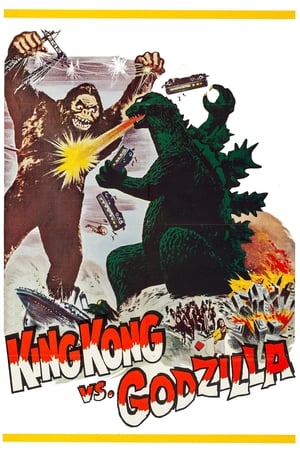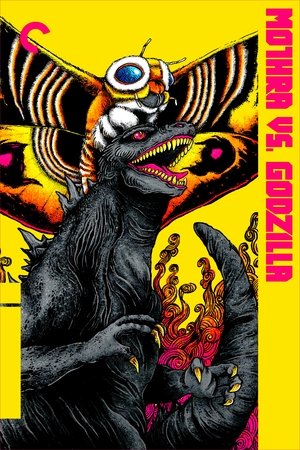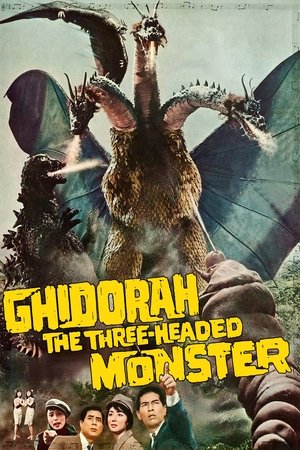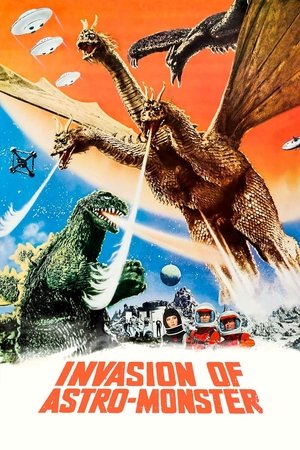
🎬 Destroy All Monsters (1968)
Part of Godzilla Shōwa Era
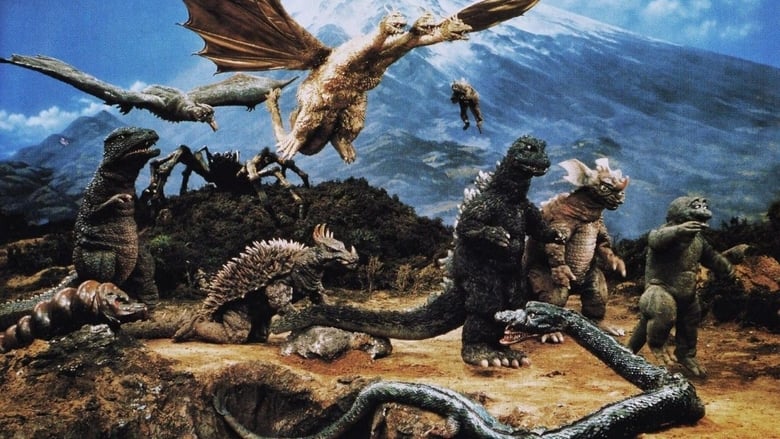
Destroy All Monsters is a landmark entry in the Godzilla franchise, often celebrated as the epic culmination of Toho's Showa-era kaiju films. Directed by Ishirō Honda with special effects by Sadamasa Arikawa under Eiji Tsuburaya's supervision, the film brings together an unprecedented roster of eleven giant monsters, including Godzilla, Mothra, Rodan, and King Ghidorah. Set in the distant future of 1999, the story imagines a world where these creatures have been safely contained on Monsterland, only to be unleashed by the alien Kilaaks in a coordinated global assault. The film's scope is notably ambitious, shifting from a mystery about mind-controlled monsters to a full-scale invasion narrative that climaxes with a massive, fan-favorite battle at Mount Fuji.
Upon its American release by American International Pictures in 1969, the film received mixed reviews, with critics often dismissing the human drama while grudgingly admiring the climactic monster melee. However, its reputation has grown considerably over the decades. Modern reappraisals frequently cite it as one of the finest films in the series, praising its brisk pacing, colorful cinematography, and the sheer spectacle of seeing so many iconic creatures share the screen. The film's imaginative depiction of a lunar base and interplanetary conflict also captured the space-age optimism of the late 1960s.
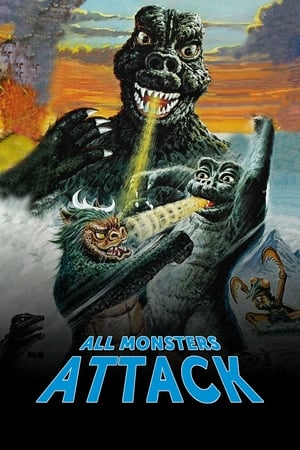
As the ninth film in the franchise, Destroy All Monsters was originally intended as a grand finale to the series, which explains its all-star monster cast and conclusive tone. Toho, however, quickly reversed this decision, and the film was followed just a year later by the more child-oriented All Monsters Attack. Despite this, Destroy All Monsters remains a high point for kaiju enthusiasts, serving as a direct inspiration for later ensemble films like Godzilla: Final Wars. Its influence extends beyond Japan, having been heavily referenced and sampled in Western pop culture, from music to comic books.

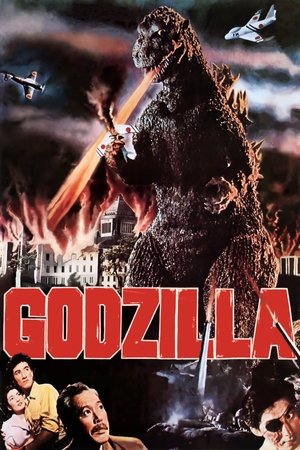
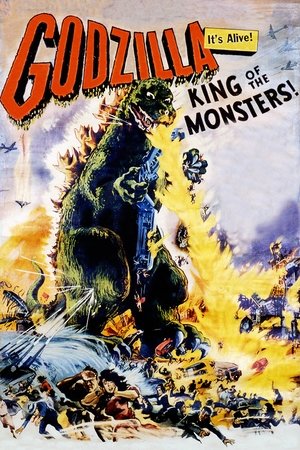
The Godzilla Shōwa Era is the original film series that launched the iconic kaiju franchise, spanning from 1954 to 1975 and comprising 15 films. This foundational collection introduced the world to Godzilla, a prehistoric reptile mutated by nuclear radiation, and established the core mythology, characters, and spectacle that would define the character for decades. Emerging in post-war Japan, the series began as a direct cultural response to the atomic bombings and nuclear testing that haunted the nation, using the giant monster as a powerful allegory for humanity's destructive capabilities and the unforeseen consequences of scientific advancement.
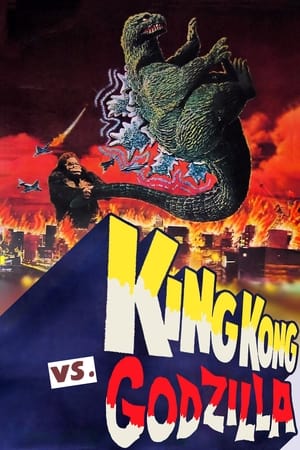
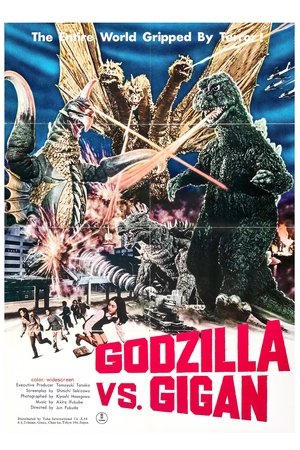
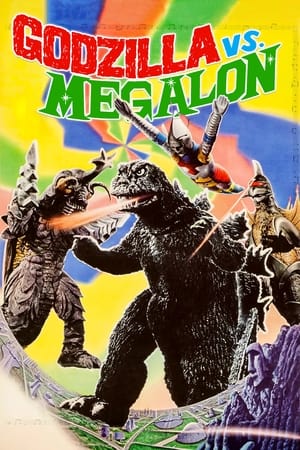
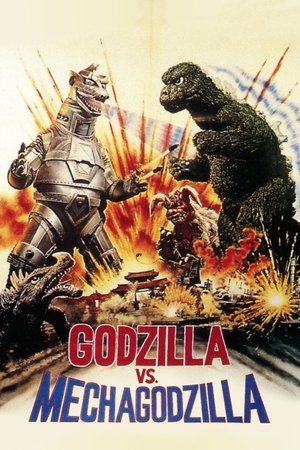
Over its two-decade run, the series underwent a significant tonal evolution. The somber, critically acclaimed original film gave way to increasingly fantastical and family-friendly adventures. Godzilla himself transformed from a terrifying force of nature into a heroic protector, often teaming up with fellow monsters like Mothra, Rodan, and Anguirus to defend Earth from extraterrestrial invaders and rogue creations such as King Ghidorah and Mechagodzilla. This shift introduced the beloved 'monster rally' formula, pitting multiple kaiju against each other in sprawling urban battlefields, and embraced a campy, imaginative style that became a hallmark of the era.
The Shōwa era pioneered the practical special effects technique known as suitmation, which became synonymous with the kaiju genre and influenced countless filmmakers worldwide. It introduced many of the franchise's most enduring creatures and established recurring themes of environmental stewardship, the dangers of unchecked technological hubris, and the resilience of life in the face of catastrophe. Despite fluctuating budgets and varying critical reception, the series maintained a consistent creative spirit that resonated with audiences and built a dedicated global fanbase.
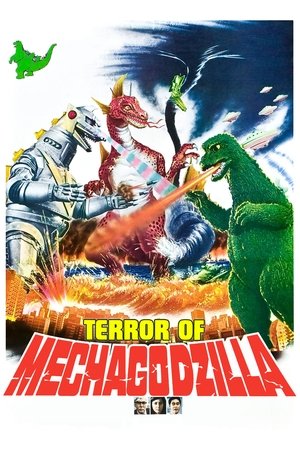
Concluding with Terror of Mechagodzilla in 1975, the Shōwa era gave way to a nine-year hiatus before the franchise was revived. This foundational period remains a touchstone for fans and filmmakers, celebrated for its inventive storytelling, iconic monster designs, and lasting cultural impact. It set the stage for all subsequent Godzilla eras and cemented the character's status as a global pop culture phenomenon, ensuring that the Shōwa films continue to captivate new generations of viewers.