🎬 Ebirah, Horror of the Deep (1966)
Part of Godzilla Shōwa Era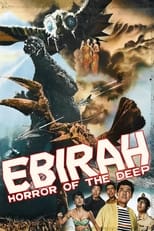
Ebirah, Horror of the Deep, released in 1966, marks a significant turning point in the Godzilla franchise as the seventh installment and the first to be directed by Jun Fukuda, who would bring a lighter, more adventurous tone compared to the darker entries helmed by Ishirō Honda. The film is notable for its unusual origin story: it was originally scripted as a King Kong vehicle, but when that deal fell through, the giant ape was swapped out for Godzilla. This last-minute change explains the film's tropical island setting and Godzilla's somewhat uncharacteristic behavior, including a memorable scene where he is revived by a lightning strike and shows an apparent attraction to a native girl.
Set against the backdrop of the South Seas, the plot follows a group of young urbanites who inadvertently steal a yacht and end up on a remote island controlled by a terrorist organization called the Red Bamboo. There, they discover the organization is using slave labor to manufacture heavy water and has a giant lobster monster, Ebirah, patrolling the waters to prevent escape. The protagonists stumble upon a sleeping Godzilla in a cave and hatch a plan to wake him up to fight Ebirah, leading to a series of destructive battles that also draw the attention of Mothra, who is summoned to rescue her people from the island.
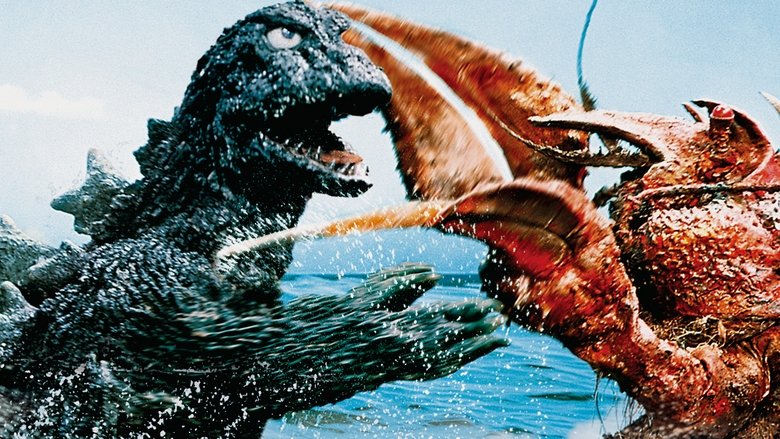
Visually, the film is a vibrant departure, leaning heavily into a James Bond-style espionage aesthetic with its secret base, nuclear threats, and colorful villains, while the special effects by Sadamasa Arikawa (under Eiji Tsuburaya's supervision) deliver the expected kaiju spectacle. The monster battles are energetic, particularly the underwater clashes between Godzilla and Ebirah, and the climax features a rare team-up as Godzilla and Mothra work together to destroy the Red Bamboo's operations. The film was released directly to television in the United States under the title Godzilla vs. the Sea Monster, becoming a staple of creature-feature programming.
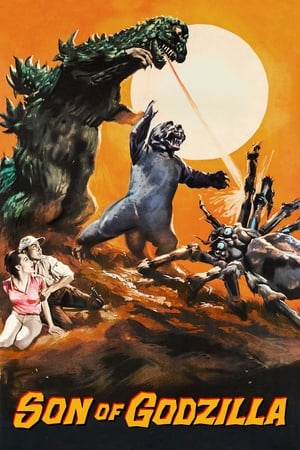
Though often considered a mid-tier entry, Ebirah, Horror of the Deep is beloved by fans for its sheer entertainment value, breezy pacing, and surf-rock-infused score. It solidified Godzilla's transition from a force of nature to a more heroic, almost anthropomorphic protector, a characterization that would dominate the late Showa era. The film was followed directly by Son of Godzilla in 1967, continuing the franchise's shift toward family-friendly monster mayhem.
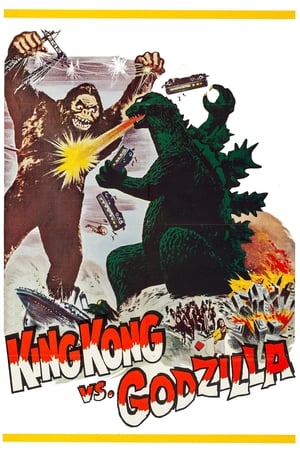
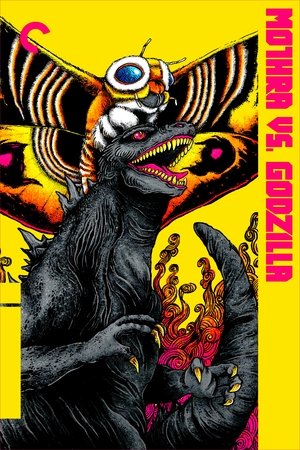
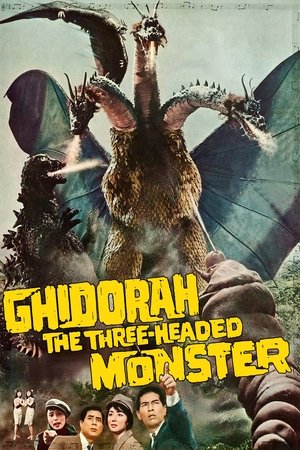
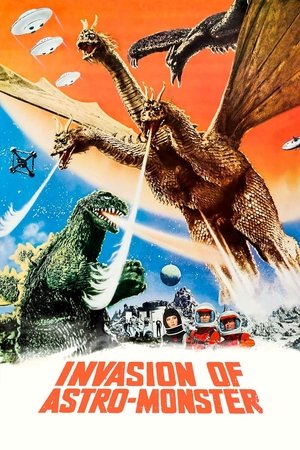
The Godzilla Shōwa Era is the original film series that launched the iconic kaiju franchise, spanning from 1954 to 1975 and comprising 15 films. This foundational collection introduced the world to Godzilla, a prehistoric reptile mutated by nuclear radiation, and established the core mythology, characters, and spectacle that would define the character for decades. Emerging in post-war Japan, the series began as a direct cultural response to the atomic bombings and nuclear testing that haunted the nation, using the giant monster as a powerful allegory for humanity's destructive capabilities and the unforeseen consequences of scientific advancement.
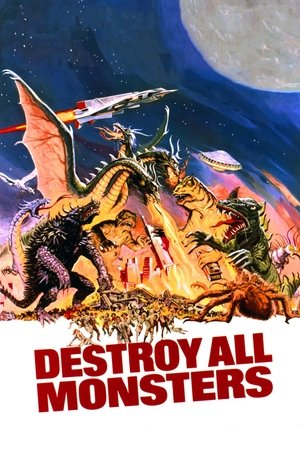
Over its two-decade run, the series underwent a significant tonal evolution. The somber, critically acclaimed original film gave way to increasingly fantastical and family-friendly adventures. Godzilla himself transformed from a terrifying force of nature into a heroic protector, often teaming up with fellow monsters like Mothra, Rodan, and Anguirus to defend Earth from extraterrestrial invaders and rogue creations such as King Ghidorah and Mechagodzilla. This shift introduced the beloved 'monster rally' formula, pitting multiple kaiju against each other in sprawling urban battlefields, and embraced a campy, imaginative style that became a hallmark of the era.
The Shōwa era pioneered the practical special effects technique known as suitmation, which became synonymous with the kaiju genre and influenced countless filmmakers worldwide. It introduced many of the franchise's most enduring creatures and established recurring themes of environmental stewardship, the dangers of unchecked technological hubris, and the resilience of life in the face of catastrophe. Despite fluctuating budgets and varying critical reception, the series maintained a consistent creative spirit that resonated with audiences and built a dedicated global fanbase.
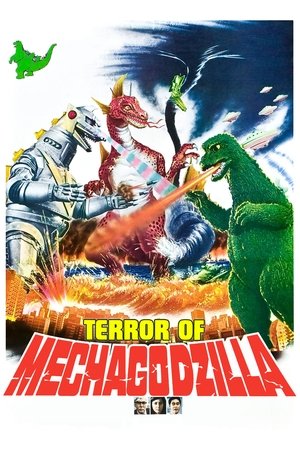
Concluding with Terror of Mechagodzilla in 1975, the Shōwa era gave way to a nine-year hiatus before the franchise was revived. This foundational period remains a touchstone for fans and filmmakers, celebrated for its inventive storytelling, iconic monster designs, and lasting cultural impact. It set the stage for all subsequent Godzilla eras and cemented the character's status as a global pop culture phenomenon, ensuring that the Shōwa films continue to captivate new generations of viewers.