🎬 All Monsters Attack (1969)
Part of Godzilla Shōwa Era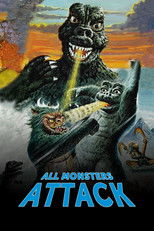
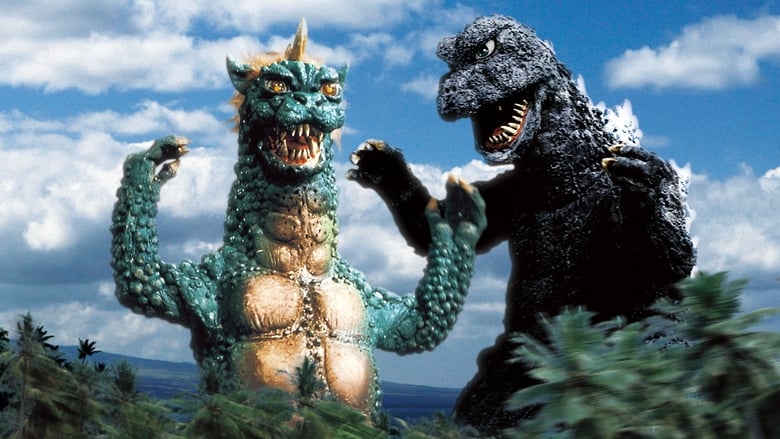
All Monsters Attack, released in the United States as Godzilla's Revenge, is a 1969 Japanese kaiju film directed by Ishirō Honda and the tenth entry in the Godzilla series. The film centers on Ichiro Miki, a lonely latchkey boy living in the industrial outskirts of Kawasaki, who copes with his isolation by retreating into vivid fantasies about Monster Island. There, he befriends Minilla, Godzilla's son, and watches as the young monster learns to stand up to the bullying creature Gabara — a storyline that mirrors Ichiro's own real-life struggles with a neighborhood bully.
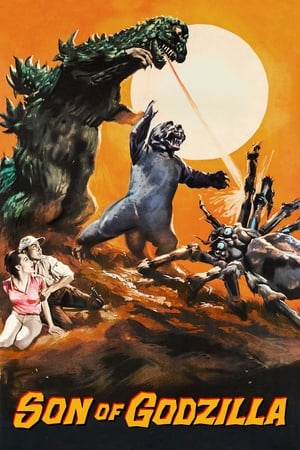
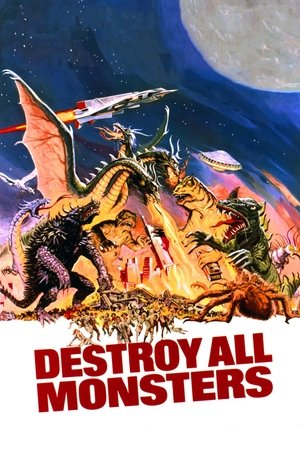
The film is infamous for its heavy reliance on stock footage from earlier Godzilla entries, including Son of Godzilla (1967), Godzilla vs. the Sea Monster (1966), Destroy All Monsters (1968), and others. This was a cost-saving measure that gave the film a clip-show quality, drawing significant criticism from fans and critics alike. Many retrospective assessments rank it among the weakest films in the franchise, citing its juvenile tone, minimal new monster action, and recycled visuals. Interestingly, director Ishirō Honda — who co-created the Godzilla franchise — considered it one of his personal favorites, appreciating its child-centric allegory and social commentary on urban alienation and pollution.
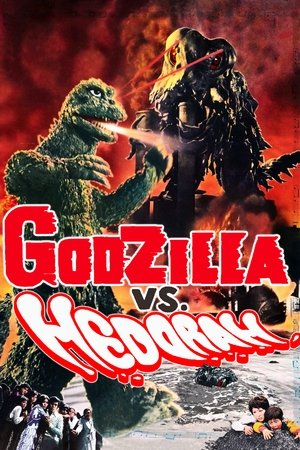
Released theatrically in Japan on December 20, 1969, the film arrived in American theaters in 1971 via Maron Films, paired on a double bill with the 1967 British sci-fi film Night of the Big Heat. The film was followed by Godzilla vs. Hedorah (1971), which marked a sharp tonal departure with its darker, more overtly environmental themes and psychedelic imagery.

The Godzilla Shōwa Era is the original film series that launched the iconic kaiju franchise, spanning from 1954 to 1975 and comprising 15 films. This foundational collection introduced the world to Godzilla, a prehistoric reptile mutated by nuclear radiation, and established the core mythology, characters, and spectacle that would define the character for decades. Emerging in post-war Japan, the series began as a direct cultural response to the atomic bombings and nuclear testing that haunted the nation, using the giant monster as a powerful allegory for humanity's destructive capabilities and the unforeseen consequences of scientific advancement.
Over its two-decade run, the series underwent a significant tonal evolution. The somber, critically acclaimed original film gave way to increasingly fantastical and family-friendly adventures. Godzilla himself transformed from a terrifying force of nature into a heroic protector, often teaming up with fellow monsters like Mothra, Rodan, and Anguirus to defend Earth from extraterrestrial invaders and rogue creations such as King Ghidorah and Mechagodzilla. This shift introduced the beloved 'monster rally' formula, pitting multiple kaiju against each other in sprawling urban battlefields, and embraced a campy, imaginative style that became a hallmark of the era.
The Shōwa era pioneered the practical special effects technique known as suitmation, which became synonymous with the kaiju genre and influenced countless filmmakers worldwide. It introduced many of the franchise's most enduring creatures and established recurring themes of environmental stewardship, the dangers of unchecked technological hubris, and the resilience of life in the face of catastrophe. Despite fluctuating budgets and varying critical reception, the series maintained a consistent creative spirit that resonated with audiences and built a dedicated global fanbase.
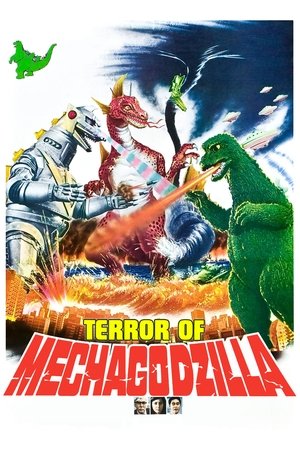
Concluding with Terror of Mechagodzilla in 1975, the Shōwa era gave way to a nine-year hiatus before the franchise was revived. This foundational period remains a touchstone for fans and filmmakers, celebrated for its inventive storytelling, iconic monster designs, and lasting cultural impact. It set the stage for all subsequent Godzilla eras and cemented the character's status as a global pop culture phenomenon, ensuring that the Shōwa films continue to captivate new generations of viewers.