🎬 Ghidorah, the Three-Headed Monster (1964)
Part of Godzilla Shōwa Era
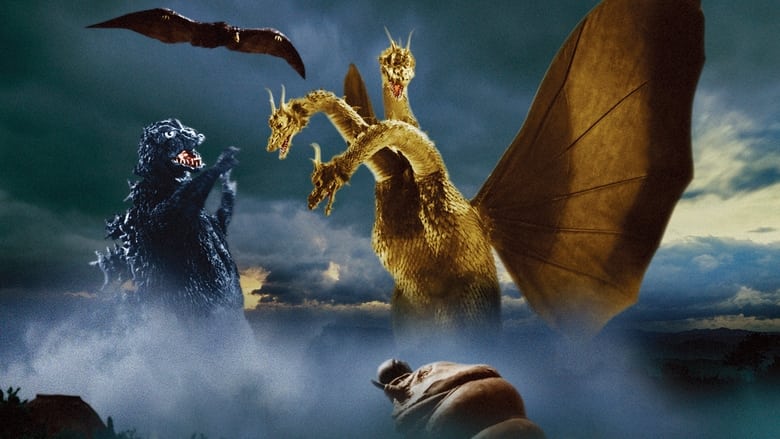
Ghidorah, the Three-Headed Monster marks a pivotal turning point in the Godzilla franchise, transforming the King of the Monsters from a destructive force of nature into a reluctant hero and protector of Earth. Released just eight months after Mothra vs. Godzilla, the film was famously rushed into production to fill a gap in Toho's holiday release schedule left by Akira Kurosawa's delayed Red Beard. This breakneck pace led to a creative and chaotic energy that redefined the series, introducing Godzilla's arch-nemesis, the golden, three-headed space dragon King Ghidorah, and establishing the first true monster team-up.
The plot weaves together a political assassination thriller with full-blown kaiju spectacle. A princess from the fictional country of Selgina is possessed by a Venusian spirit who warns humanity of Ghidorah's arrival, having already destroyed her civilization. The film's most iconic and influential sequence is the extended, almost comedic debate between Mothra's twin fairies, the Shobijin, and the monsters Godzilla and Rodan, who initially refuse to help humanity. This scene, translated via the fairies, gives the monsters distinct personalities and marks the moment Godzilla begins his shift from villain to anti-hero, a persona that would define the late Showa era.
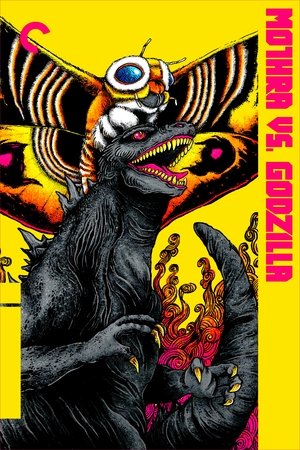
From a production standpoint, the film was a logistical marvel. Special effects director Eiji Tsuburaya faced immense challenges with the King Ghidorah suit, which required multiple puppeteers and a complex system of wires to animate its three heads, wings, and tails. The Godzilla suit and Mothra larva prop were recycled from the previous film, while a new, sleeker Rodan suit was constructed. The American release by Continental Distributing retitled the film Ghidrah, the Three-Headed Monster, dropping the 'o' in a peculiar localization choice, and featured a dubbed soundtrack that played up the campier elements for Western audiences.
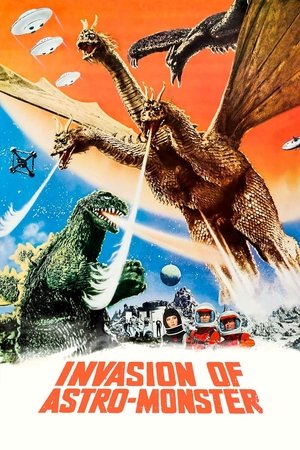
Ghidorah, the Three-Headed Monster is widely celebrated as a landmark of the kaiju genre, solidifying the formula of monster alliances and extraterrestrial threats that would be emulated for decades. It set the stage for the direct sequel, Invasion of Astro-Monster, which would further cement the Godzilla-Rodan-Ghidorah dynamic and take the action into outer space. The film's legacy endures not just for its spectacle, but for its audacious blend of Cold War anxieties, alien invasion tropes, and the sheer joy of watching giant monsters bicker and brawl.

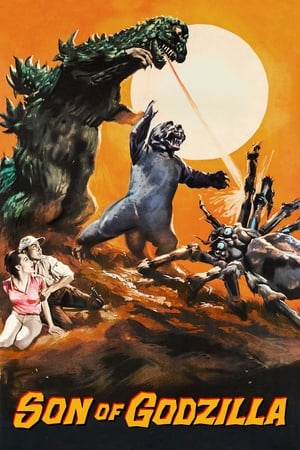
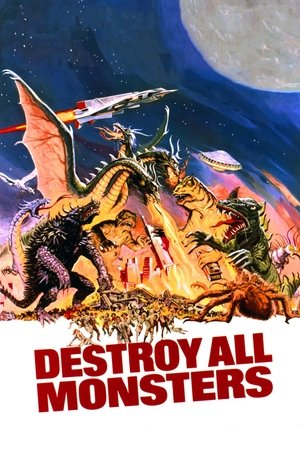
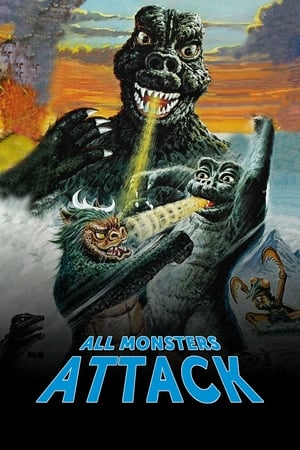
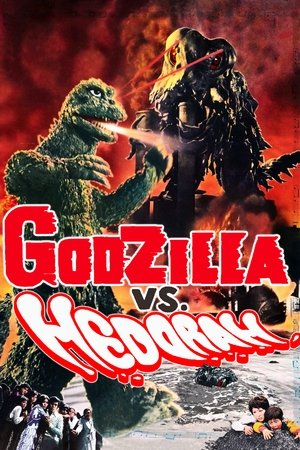
The Godzilla Shōwa Era is the original film series that launched the iconic kaiju franchise, spanning from 1954 to 1975 and comprising 15 films. This foundational collection introduced the world to Godzilla, a prehistoric reptile mutated by nuclear radiation, and established the core mythology, characters, and spectacle that would define the character for decades. Emerging in post-war Japan, the series began as a direct cultural response to the atomic bombings and nuclear testing that haunted the nation, using the giant monster as a powerful allegory for humanity's destructive capabilities and the unforeseen consequences of scientific advancement.
Over its two-decade run, the series underwent a significant tonal evolution. The somber, critically acclaimed original film gave way to increasingly fantastical and family-friendly adventures. Godzilla himself transformed from a terrifying force of nature into a heroic protector, often teaming up with fellow monsters like Mothra, Rodan, and Anguirus to defend Earth from extraterrestrial invaders and rogue creations such as King Ghidorah and Mechagodzilla. This shift introduced the beloved 'monster rally' formula, pitting multiple kaiju against each other in sprawling urban battlefields, and embraced a campy, imaginative style that became a hallmark of the era.
The Shōwa era pioneered the practical special effects technique known as suitmation, which became synonymous with the kaiju genre and influenced countless filmmakers worldwide. It introduced many of the franchise's most enduring creatures and established recurring themes of environmental stewardship, the dangers of unchecked technological hubris, and the resilience of life in the face of catastrophe. Despite fluctuating budgets and varying critical reception, the series maintained a consistent creative spirit that resonated with audiences and built a dedicated global fanbase.
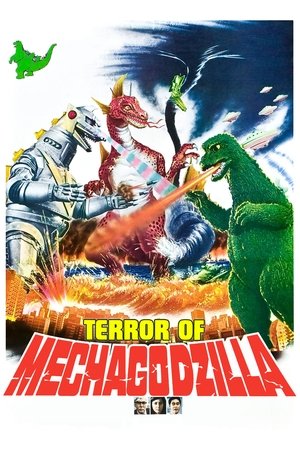
Concluding with Terror of Mechagodzilla in 1975, the Shōwa era gave way to a nine-year hiatus before the franchise was revived. This foundational period remains a touchstone for fans and filmmakers, celebrated for its inventive storytelling, iconic monster designs, and lasting cultural impact. It set the stage for all subsequent Godzilla eras and cemented the character's status as a global pop culture phenomenon, ensuring that the Shōwa films continue to captivate new generations of viewers.