Americanized Godzilla
Collection 🎬 Collection
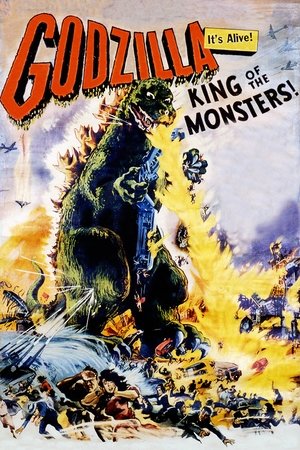
The "Americanized Godzilla" collection refers to a specific set of four films from the larger Godzilla franchise that underwent radical reconstruction for their North American theatrical releases. Far more than simple dubbing efforts, these versions were heavily re-edited, often with significant portions of the original Japanese footage removed and new scenes featuring American or English-speaking actors inserted. This practice, which began in 1956 with *Godzilla, King of the Monsters!* and continued through 1985's *Godzilla 1985*, was designed to make the distinctly Japanese narratives more accessible and commercially viable for Western audiences of the time. The result was a parallel series of films that often diverged significantly in tone, pacing, and thematic emphasis from their Toho Studios originals, transforming somber, allegorical tales into more straightforward monster-on-the-loose spectacles.
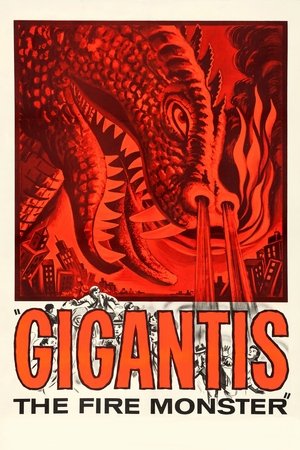
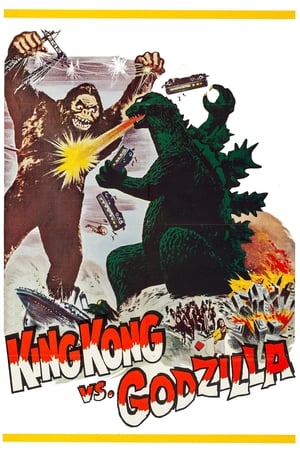
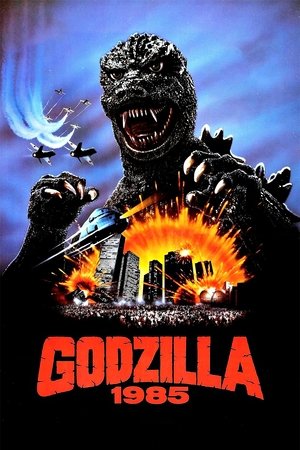
This collection is historically significant as the primary vector through which the Godzilla character and the kaiju genre infiltrated American popular culture for decades. For many international fans, these re-engineered versions were the only ones available, shaping a Western perception of Godzilla as a campy, destructive anti-hero rather than the complex embodiment of nuclear trauma originally conceived. The process evolved over the years, from the perspective-shifting insertion of Raymond Burr in the first film to the perplexing re-titling of the second film as *Gigantis, the Fire Monster* in an attempt to disguise its connection to the original, and the playful addition of newsroom scenes to amplify the camp value of *King Kong vs. Godzilla*. The final entry, *Godzilla 1985*, demonstrated the format's enduring commercial logic by reframing a direct sequel to the 1954 classic with a new military command center subplot featuring American actors.
The legacy of this collection is complex and double-edged. While often dismissed by purists as compromised curiosities that diluted the artistry of Toho's original visions, their cultural impact is undeniable. They stand as fascinating artifacts of a bygone era in film distribution, offering a unique lens through which to examine how cultural products are translated, transformed, and sometimes mangled in their journey across the Pacific. Today, with the original Japanese versions widely available, these Americanized cuts are studied less as definitive versions of the films and more as historical documents of mid-20th-century cinematic exchange and the commercial assumptions that drove it.