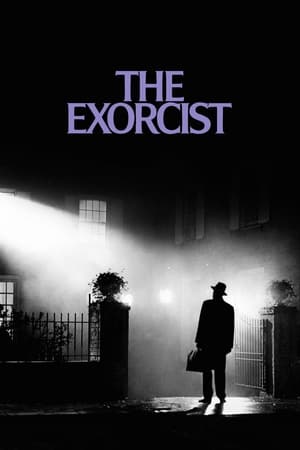
Legion is a 1983 horror novel by American writer William Peter Blatty, best known as the author of The Exorcist. The novel serves as a direct sequel to The Exorcist, continuing the story of Lieutenant William F. Kinderman, who now investigates a series of gruesome, ritualistic murders in Georgetown that bear the hallmarks of a long-dead serial killer known as the Gemini. The title is a biblical reference to the Gospel of Mark, where a possessed man declares, "My name is Legion: for we are many," hinting at the nature of the evil Kinderman confronts.
The novel blends police procedural with supernatural horror and theological mystery, exploring themes of faith, suffering, and the nature of evil. Blatty originally conceived the story as a screenplay for a film to be directed by William Friedkin, but when Friedkin departed the project, Blatty adapted his script into the novel. The book became the focus of a notable court case when it was excluded from The New York Times Best Seller list, with Blatty alleging the omission was intentional and suing the newspaper, though he ultimately lost the case.
Legion is the second entry in what Blatty called his "Trilogy of Faith," following The Ninth Configuration and preceding the eventual film adaptation. The character of the Gemini Killer was partly inspired by the real-life Zodiac Killer, who had written a letter praising the original Exorcist film. The novel was well-received for its philosophical depth and chilling atmosphere, standing as a worthy successor to its famous predecessor.