📺 The Exorcist (2016)
Part of The Exorcist
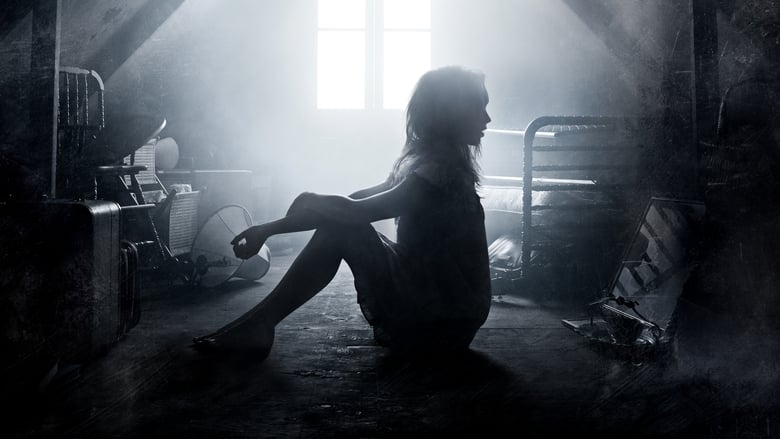
Fox’s 2016 television series The Exorcist arrived with the unenviable task of following up one of the most revered horror films ever made, and it did so with a clever, respectful gambit: it positioned itself as a direct sequel to William Friedkin’s 1973 classic while boldly ignoring every other cinematic follow-up. Created by Jeremy Slater, the show picks up decades after the events in Georgetown, revealing that a now-adult Regan MacNeil, living under the assumed name Angela Rance, is once again at the center of a demonic crisis—this time within her own suburban Chicago family. The series cleverly weaves the original story’s DNA into a modern, serialized psychological thriller, splitting its focus between the Rance family’s escalating nightmare and the unlikely partnership of two very different exorcists: the ambitious, progressive Father Tomas Ortega and the battle-hardened, renegade Father Marcus Keane.
The first season’s greatest strength lies in its slow-burn approach to reuniting Regan with her past. Geena Davis brings a grounded, maternal steeliness to Angela, a woman who has buried her childhood trauma so deeply that she initially refuses to acknowledge the supernatural threat engulfing her home. The show pays loving homage to the source material through recurring motifs—the iconic Captain Howdy persona, the chilling presence of the demon Pazuzu, and a deeply emotional cameo from Sharon Gless as an aged, guilt-ridden Chris MacNeil. By making the family drama as compelling as the possession horror, the series honors William Peter Blatty’s original thematic interest in fractured faith and psychological torment, while updating the scares with contemporary pacing and gruesome practical effects.
For its second season, the show took a radical narrative swerve, jettisoning the Rance family entirely and transforming into a road-trip exorcism procedural. Father Tomas and Father Marcus go on the run, eventually sheltering on a secluded island off the coast of Washington state where they encounter a new, insidious evil preying on a group of foster children. This shift from domestic hauntings to a wider conspiracy involving a secret network within the Vatican allowed the series to explore the institutional corruption hinted at in the first season, though it lost some of the intimate, character-driven horror that made the initial arc so effective. Despite strong performances—particularly from Ben Daniels as the tormented Marcus—the tonal pivot divided viewers, and Fox canceled the series after two ten-episode seasons.
Though short-lived, The Exorcist TV series earned praise from critics for its intelligent writing, atmospheric direction, and willingness to engage with the philosophical weight of its predecessor rather than simply trading on name recognition. It managed the rare feat of expanding a sacred horror text without desecrating it, proving that with enough care, even the most hallowed ground can yield new nightmares.

The Exorcist is a 1971 horror novel by American writer William Peter Blatty. The book details the demonic possession of eleven-year-old Regan MacNeil, the daughter of a famous actress, and the two priests who attempt to exorcise the demon. Inspired by a 1949 case of demonic possession and exorcism that Blatty heard about while he was a student at Georgetown University, the novel became a literary phenomenon upon its release, spending over a year on the New York Times bestseller list. Blatty's work explores profound themes of faith, doubt, and the nature of evil, blending visceral horror with theological inquiry. The novel's success spawned a major film adaptation and numerous sequels, cementing its place as a cornerstone of modern horror literature.
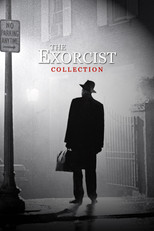
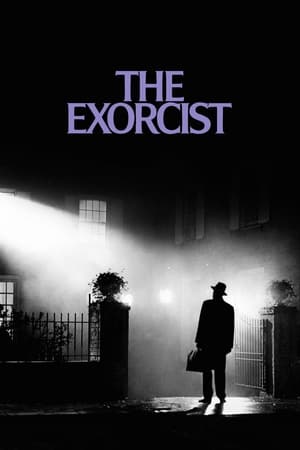
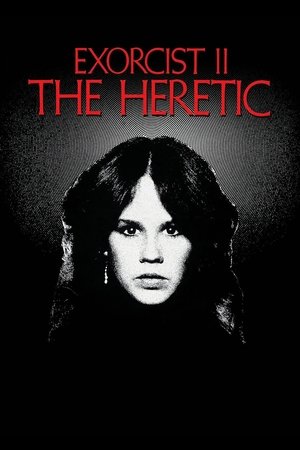
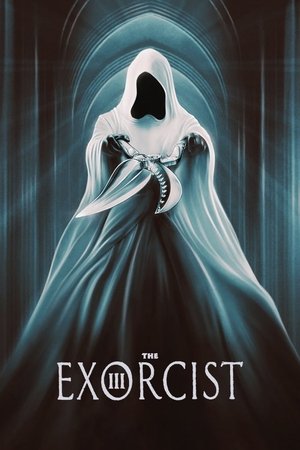
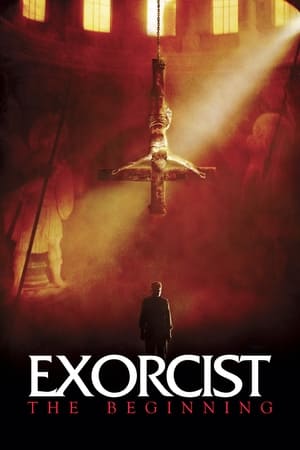
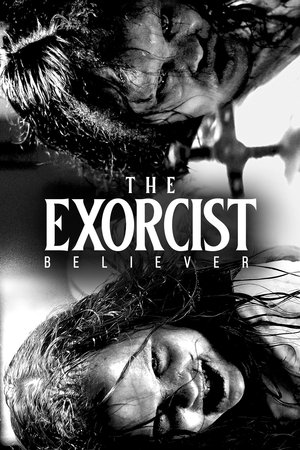
The Exorcist collection stands as one of horror cinema's most enduring and psychologically complex explorations of faith, evil, and the supernatural. Originating from William Peter Blatty's 1971 novel—itself inspired by a reported case of demonic possession in the 1940s—the series transformed a single story of a possessed child into a multi-generational meditation on spiritual warfare. The 1973 film adaptation, directed by William Friedkin, shattered box office records and earned ten Academy Award nominations, including a historic Best Adapted Screenplay win, proving that horror could achieve both critical acclaim and mainstream cultural impact. Its unflinching depiction of innocence corrupted by an ancient demonic force, Pazuzu, grounded the supernatural in a starkly realistic world of medical skepticism and clerical doubt, making the impossible feel terrifyingly real. This foundation established a thematic template that subsequent entries would revisit, challenge, and expand upon over the following decades.\n\nThe collection's evolution has been marked by bold creative swings and notorious production struggles, reflecting the difficulty of following a landmark original. Exorcist II: The Heretic took a surreal, metaphysical approach that polarized audiences, while The Exorcist III, written and directed by Blatty himself, returned to the psychological dread and theological weight of the first film, earning critical reappraisal over time. The early 2000s saw an unprecedented situation where two competing prequels—Exorcist: The Beginning and Dominion: Prequel to the Exorcist—were produced back-to-back, each offering a radically different vision of Father Merrin's first encounter with Pazuzu. This unusual chapter in the collection's history underscores the property's persistent, almost obsessive hold on filmmakers and audiences alike.\n\nAcross its entries, The Exorcist collection consistently probes the fragility of belief and the intimate nature of evil. Rather than relying solely on shock, the films often frame possession as a crisis of faith, where the battle for a soul is both physical and existential. The demonic presence is not merely a monster but a mocking, intelligent force that exploits human weakness and despair. This thematic depth allows the collection to function as more than a series of horror films; it is a sustained inquiry into the limits of science, the necessity of hope, and the terrifying possibility that darkness is not an external threat but something that can take root within the most vulnerable. The recent legacy sequel, The Exorcist: Believer, attempts to reintroduce these questions to a new generation, demonstrating that the image of a child transformed by an ancient, mocking evil remains a potent and deeply unsettling mirror for contemporary anxieties.\n\nCulturally, the collection has left an indelible mark on the horror genre and beyond. The original film's imagery—the levitation, the head rotation, the projectile vomit—has become iconic shorthand for supernatural terror, endlessly referenced and parodied. Yet the collection's true legacy lies in its willingness to treat spiritual dread with seriousness, paving the way for later horror works that blend visceral scares with philosophical weight. Despite the varying reception of its sequels and prequels, the series endures because its central conflict refuses to age: the fear of losing control, of innocence defiled, and of a universe where malevolent forces are both eternal and deeply personal. The Exorcist collection remains a cinematic chronicle of spiritual crisis, a long, dark hallway echoing with questions about what we believe when confronted with the unthinkable.