📺 Law & Order True Crime (2017)
Part of Law & Order Franchise
Law & Order True Crime is an American anthology series that premiered on NBC in 2017, created by René Balcer as an extension of the long-running Law & Order franchise. Its first and only season, subtitled The Menendez Murders, dramatizes the sensational trial of Lyle and Erik Menendez, two brothers convicted of murdering their wealthy parents in their Beverly Hills home in 1989.
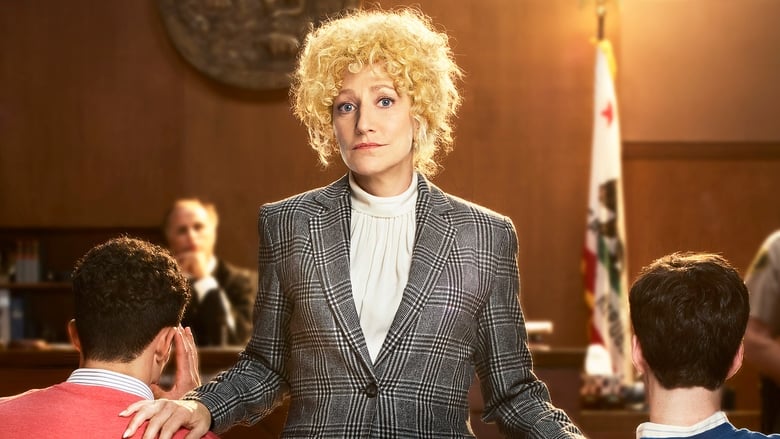
The eight-episode season focuses heavily on the legal proceedings and the defense strategy led by attorney Leslie Abramson, played by Edie Falco. Unlike the original Law & Order's ripped-from-the-headlines format, this series dedicates an entire season to a single true crime case, allowing for a deeper exploration of the psychological and legal complexities. The show delves into the brothers' claims of years of abuse at the hands of their father, José Menendez, and the media circus that surrounded both trials.
The series features a strong ensemble cast including Anthony Edwards as Judge Stanley Weisberg, Julianne Nicholson as defense attorney Jill Lansing, and Gus Halper and Miles Gaston Villanueva as Erik and Lyle Menendez. While the show received generally positive reviews for its performances, particularly Falco's portrayal of Abramson, it did not continue as an anthology beyond this initial season. As of 2024, the series remains on hiatus, standing as a standalone chapter in the Law & Order universe that brought one of the 1990s' most notorious true crime cases back into the public eye.

The Menendez murders refer to the 1989 killings of José and Kitty Menendez in their Beverly Hills mansion by their sons, Lyle and Erik Menendez. On August 20, 1989, the brothers shot their parents with shotguns in what initially appeared to be a mob-style hit. The case went unsolved for months until a confession by Erik to his psychologist ultimately led to their arrests in March 1990.
The subsequent trials became a national sensation, broadcast live on Court TV and dominating headlines throughout the early 1990s. The brothers claimed they acted in self-defense after years of physical, emotional, and sexual abuse at the hands of their father, a successful entertainment executive. The prosecution argued the motive was greed, pointing to the brothers' lavish spending spree following the murders.
The first trial ended in deadlocked juries, but a second trial in 1995-1996 resulted in convictions for first-degree murder. Both brothers were sentenced to life in prison without the possibility of parole. The case sparked widespread debate about familial abuse, the justice system, and the role of media in high-profile trials, and it remains one of the most infamous true crime stories in American history.

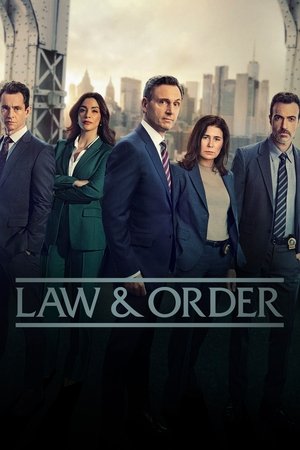
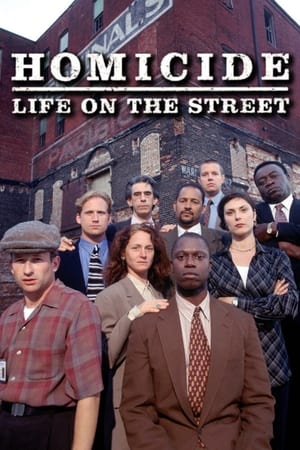
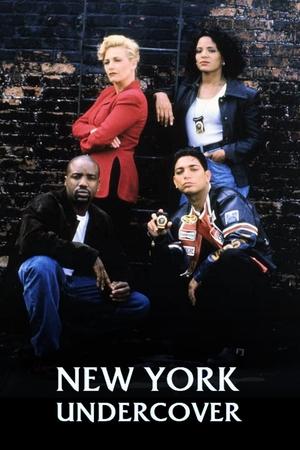
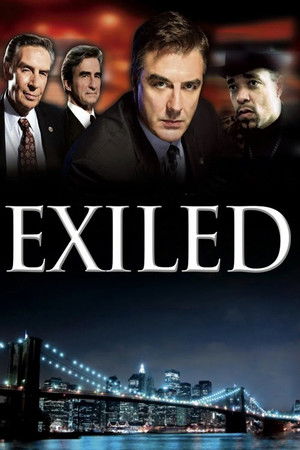
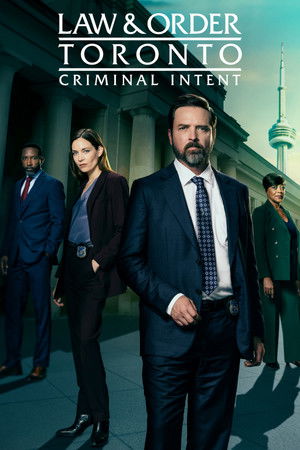
The Law & Order collection is a defining force in American television, created by Dick Wolf, that has shaped the police procedural and legal drama landscape for over three decades. Originating with the flagship series in 1990, the collection is built on a signature bifurcated structure: the first half follows police detectives investigating a crime, and the second half depicts the district attorney's office prosecuting the case. This formula, often drawing inspiration from real-life headlines, offers a gritty, systematic examination of the criminal justice system and the societal complexities it navigates. The collection's longevity is rooted in its ability to provide a reliable, episodic framework while simultaneously serving as a cultural mirror, reflecting evolving public anxieties around justice, power, and victimhood across generations.\n\nThe collection's scope extends far beyond the original series, encompassing a diverse array of spin-offs that explore different facets of law enforcement and jurisprudence. *Law & Order: Special Victims Unit* delves into the psychologically intense realm of sexually based offenses, becoming a cultural phenomenon in its own right, while *Law & Order: Criminal Intent* shifts perspective to include the psychology of the criminal. Other entries, such as *Law & Order: Trial by Jury* and the short-lived *Conviction*, focus tightly on courtroom dynamics and the lives of young prosecutors. The collection's adaptability is demonstrated by its international expansion with *Law & Order: UK*, which recontextualized American scripts for the British legal system, and more recent additions like *Law & Order: Organized Crime* and *Law & Order Toronto: Criminal Intent*, which continue to evolve the brand's storytelling approach.\n\nA key element of the collection's enduring appeal is its interconnected universe, where characters and narratives cross between series, creating a dense, lived-in world for dedicated viewers. This shared continuity was established early on through crossovers with *Homicide: Life on the Street* and *New York Undercover*, and extended into standalone television films like *Exiled: A Law & Order Movie* and *Homicide: The Movie*. The anthology-style *Law & Order True Crime* further broadened the format by dedicating entire seasons to deep dives into infamous real-life cases. Through this web of interconnected stories, the Law & Order collection has amassed a vast number of episodes, cementing its legacy as a storytelling institution that persistently interrogates the pursuit of truth within an imperfect system.