📺 Law & Order: LA (2010)
Part of Law & Order Franchise
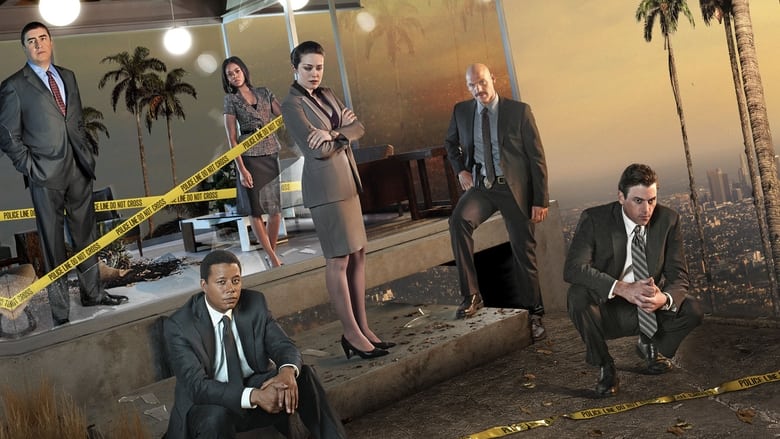
Law & Order: LA transported the iconic ripped-from-the-headlines format of Dick Wolf’s flagship series from the gritty streets of New York to the sun-drenched sprawl of Los Angeles. Premiering on NBC in the fall of 2010, the series arrived at a pivotal moment, debuting just months after the original Law & Order concluded its historic 20-season run. Developed by Blake Masters, the show sought to capture the unique culture of its new setting, dividing its episodes between the LAPD’s Robbery-Homicide Division and the District Attorney’s office, much like its predecessor’s police-and-prosecution structure.
The series underwent a significant creative overhaul midway through its first and only season. After being put on an indefinite hiatus in January 2011, the show returned in April with a retooled cast and a shortened title. Key characters, including Deputy District Attorney Morales, were written out, while others saw their roles redefined. Skeet Ulrich’s Detective Winters was killed off-screen, and Alfred Molina’s Deputy D.A. Morales was replaced by Alana de la Garza, who reprised her role as Connie Rubirosa from the original Law & Order, creating a direct narrative bridge between the two series.
Despite the pedigree of the franchise and a cast that included Terrence Howard, Corey Stoll, and Rachel Ticotin, the series struggled to find its footing with audiences. The attempt to blend the classic procedural formula with the distinct, often glamorous, backdrop of Hollywood and its surrounding neighborhoods received mixed reviews. Critics noted that while the show looked beautiful, it lacked the gritty, claustrophobic tension that defined the New York original, making it feel like a less essential entry in the franchise.
Ultimately, Law & Order: LA was canceled after a single season of 22 episodes, making it the first American series in the Law & Order franchise to be canceled outright without a syndication-stripping backdoor pilot or a move to another network. It remains a fascinating, if short-lived, experiment in franchise expansion, remembered for its ambitious attempt to re-contextualize a beloved formula and for the dramatic, mid-season retooling that saw a character from the mothership series cross over to the West Coast.

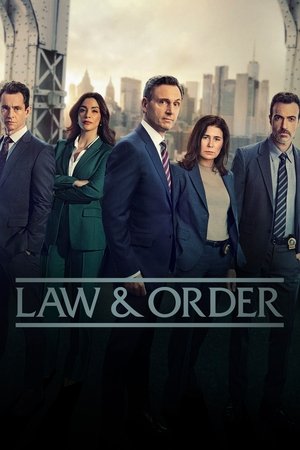
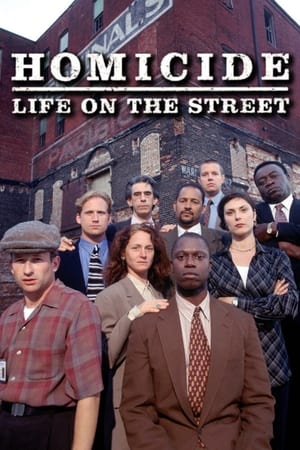
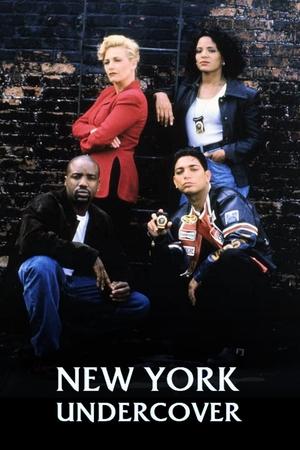
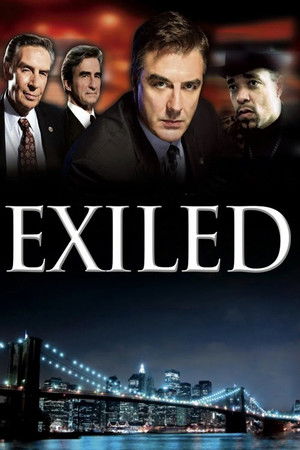
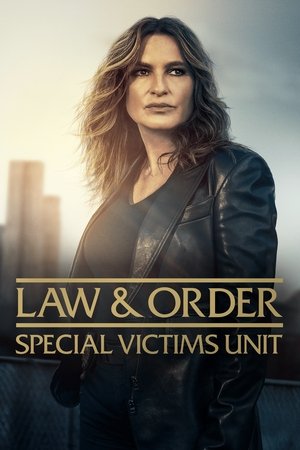
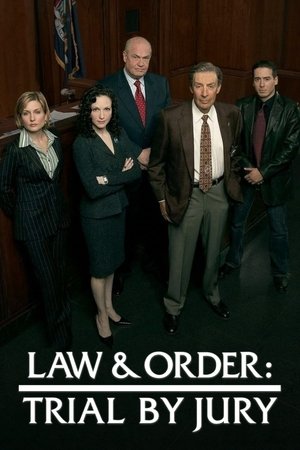
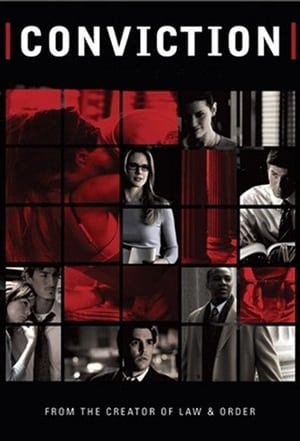
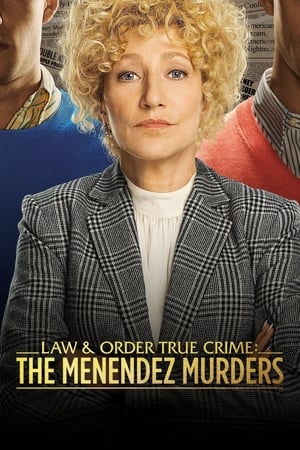
The Law & Order collection is a defining force in American television, created by Dick Wolf, that has shaped the police procedural and legal drama landscape for over three decades. Originating with the flagship series in 1990, the collection is built on a signature bifurcated structure: the first half follows police detectives investigating a crime, and the second half depicts the district attorney's office prosecuting the case. This formula, often drawing inspiration from real-life headlines, offers a gritty, systematic examination of the criminal justice system and the societal complexities it navigates. The collection's longevity is rooted in its ability to provide a reliable, episodic framework while simultaneously serving as a cultural mirror, reflecting evolving public anxieties around justice, power, and victimhood across generations.\n\nThe collection's scope extends far beyond the original series, encompassing a diverse array of spin-offs that explore different facets of law enforcement and jurisprudence. *Law & Order: Special Victims Unit* delves into the psychologically intense realm of sexually based offenses, becoming a cultural phenomenon in its own right, while *Law & Order: Criminal Intent* shifts perspective to include the psychology of the criminal. Other entries, such as *Law & Order: Trial by Jury* and the short-lived *Conviction*, focus tightly on courtroom dynamics and the lives of young prosecutors. The collection's adaptability is demonstrated by its international expansion with *Law & Order: UK*, which recontextualized American scripts for the British legal system, and more recent additions like *Law & Order: Organized Crime* and *Law & Order Toronto: Criminal Intent*, which continue to evolve the brand's storytelling approach.\n\nA key element of the collection's enduring appeal is its interconnected universe, where characters and narratives cross between series, creating a dense, lived-in world for dedicated viewers. This shared continuity was established early on through crossovers with *Homicide: Life on the Street* and *New York Undercover*, and extended into standalone television films like *Exiled: A Law & Order Movie* and *Homicide: The Movie*. The anthology-style *Law & Order True Crime* further broadened the format by dedicating entire seasons to deep dives into infamous real-life cases. Through this web of interconnected stories, the Law & Order collection has amassed a vast number of episodes, cementing its legacy as a storytelling institution that persistently interrogates the pursuit of truth within an imperfect system.