🎬 Exiled (1998)
Part of Law & Order Franchise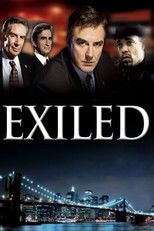
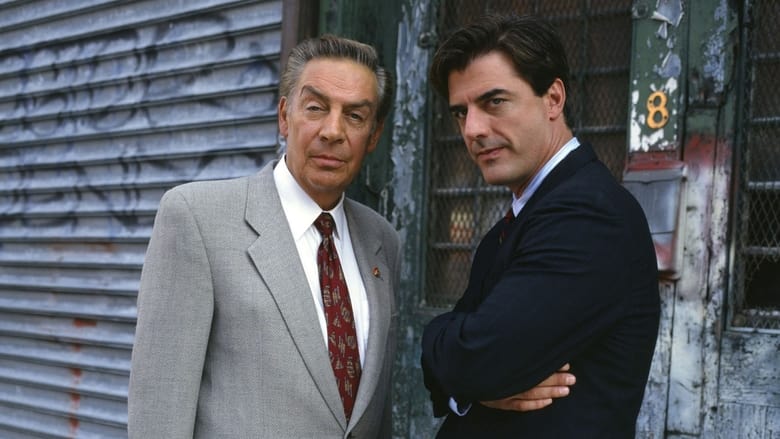
Exiled: A Law & Order Movie is a 1998 television film that expands the universe of the long-running NBC series Law & Order. Written by Charles Kipps and directed by Jean de Segonzac, the film centers on Detective Mike Logan, played by Chris Noth, a character who had been written out of the main series three years earlier. The story picks up with Logan languishing in a dead-end assignment on Staten Island's Domestic Disputes Department, a punishment for assaulting a suspect who had been acquitted. When a murder case gives him a chance to work with a homicide detective, Logan sees it as his only shot at redemption and a return to the career he lost.
The film serves as a bridge within the Law & Order franchise, bringing back a beloved character and giving him a standalone story that delves deeper into his personal struggles and professional exile. It also marks the debut of Ice-T in the Law & Order universe, though he does not yet play his famous Special Victims Unit character, Detective Odafin 'Fin' Tutuola. The screenplay by Charles Kipps was well-received, earning him an Edgar Award in 1999 for his work on the television movie.
As a feature-length episode, Exiled maintains the gritty, realistic tone of the original series while allowing for a more character-driven narrative than the typical hour-long format permitted. It explores themes of corruption, loyalty, and the personal cost of police work, all set against the familiar backdrop of New York City's criminal justice system. The film is a notable early example of the franchise's expansion beyond weekly episodic television, predating the explosion of spin-offs that would follow.

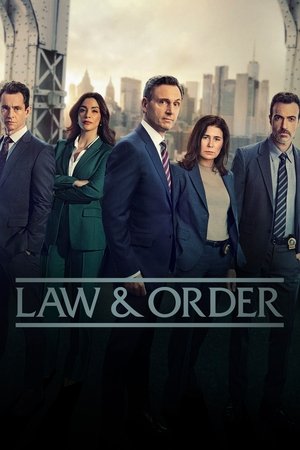
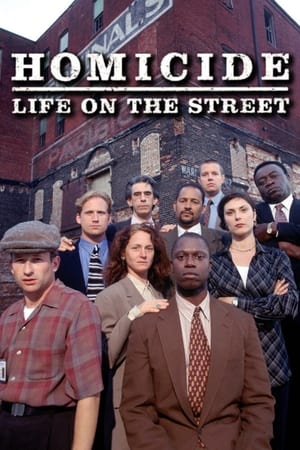
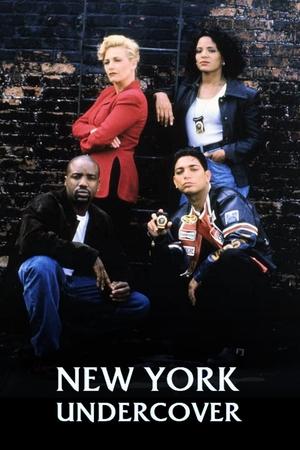
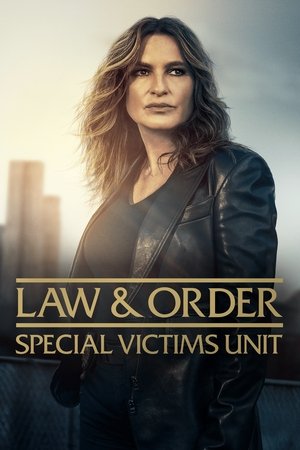
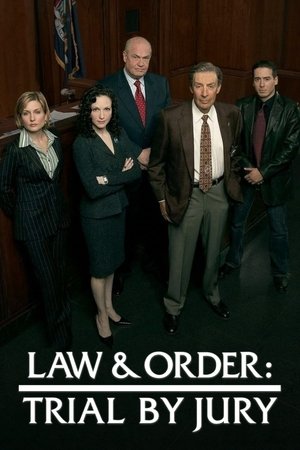
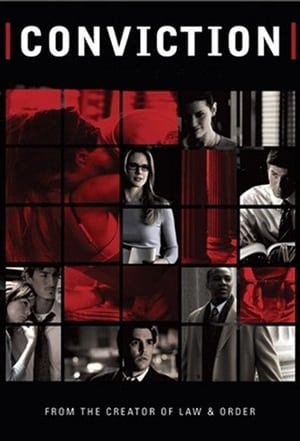
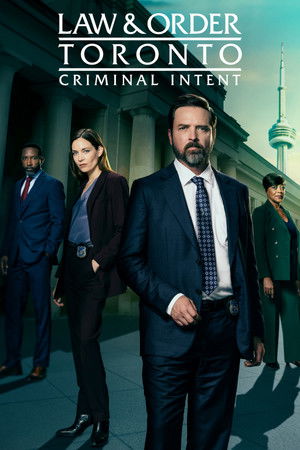
The Law & Order collection is a defining force in American television, created by Dick Wolf, that has shaped the police procedural and legal drama landscape for over three decades. Originating with the flagship series in 1990, the collection is built on a signature bifurcated structure: the first half follows police detectives investigating a crime, and the second half depicts the district attorney's office prosecuting the case. This formula, often drawing inspiration from real-life headlines, offers a gritty, systematic examination of the criminal justice system and the societal complexities it navigates. The collection's longevity is rooted in its ability to provide a reliable, episodic framework while simultaneously serving as a cultural mirror, reflecting evolving public anxieties around justice, power, and victimhood across generations.\n\nThe collection's scope extends far beyond the original series, encompassing a diverse array of spin-offs that explore different facets of law enforcement and jurisprudence. *Law & Order: Special Victims Unit* delves into the psychologically intense realm of sexually based offenses, becoming a cultural phenomenon in its own right, while *Law & Order: Criminal Intent* shifts perspective to include the psychology of the criminal. Other entries, such as *Law & Order: Trial by Jury* and the short-lived *Conviction*, focus tightly on courtroom dynamics and the lives of young prosecutors. The collection's adaptability is demonstrated by its international expansion with *Law & Order: UK*, which recontextualized American scripts for the British legal system, and more recent additions like *Law & Order: Organized Crime* and *Law & Order Toronto: Criminal Intent*, which continue to evolve the brand's storytelling approach.\n\nA key element of the collection's enduring appeal is its interconnected universe, where characters and narratives cross between series, creating a dense, lived-in world for dedicated viewers. This shared continuity was established early on through crossovers with *Homicide: Life on the Street* and *New York Undercover*, and extended into standalone television films like *Exiled: A Law & Order Movie* and *Homicide: The Movie*. The anthology-style *Law & Order True Crime* further broadened the format by dedicating entire seasons to deep dives into infamous real-life cases. Through this web of interconnected stories, the Law & Order collection has amassed a vast number of episodes, cementing its legacy as a storytelling institution that persistently interrogates the pursuit of truth within an imperfect system.