📺 Homicide: Life on the Street (1993)
Part of Law & Order Franchise
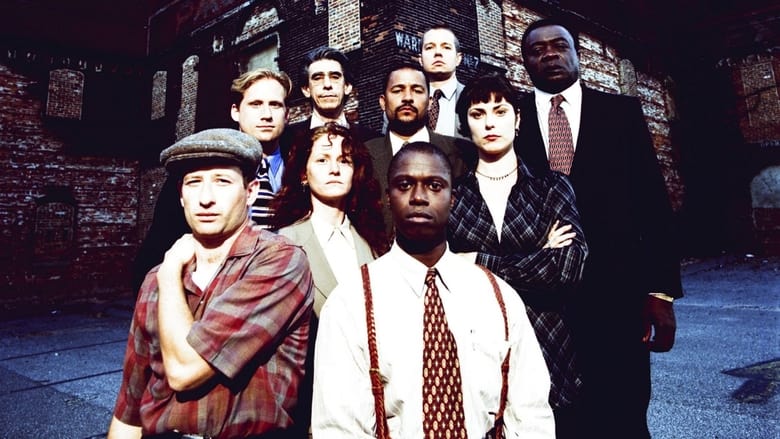
When NBC premiered "Homicide: Life on the Street" in 1993, it brought a revolutionary visual and narrative style to network television that felt less like a traditional cop show and more like a documentary crew had stumbled into a Baltimore squad room. Created by Paul Attanasio and executive produced by Barry Levinson, the series transplanted the real detectives and cases from David Simon’s book into a fictionalized unit, often lifting dialogue and entire interrogation scenes directly from the page. The show’s signature shaky, jump-cut cinematography—developed by director Wayne Eyman—and its refusal to punctuate every episode with a tidy resolution or a car chase made it an anomaly on a network still dominated by the glossy heroics of "Miami Vice." The adaptation’s greatest act of fidelity was not to specific plot points but to the book’s central thesis: that murder investigation is a grinding, bureaucratic, and deeply human endeavor where the real drama unfolds in fluorescent-lit rooms during 12-hour interrogations.
The series took significant liberties in translating Simon’s non-fiction narrative into a sustainable drama, most notably by collapsing the dozens of detectives from the book into a core ensemble of composite characters. The philosophical, Jesuit-trained Frank Pembleton, played with volcanic intensity by Andre Braugher, became the show’s moral center—a character with no direct real-life counterpart but who embodied the intellectual rigor Simon observed in the unit. The adaptation also made the crucial decision to diversify the squad beyond the book’s predominantly white male focus, introducing characters like Detective Meldrick Lewis (Clark Johnson) and shifting the gender dynamics with Detective Kay Howard (Melissa Leo), who was loosely inspired by a real sergeant. The haunting case of Latonya Kim Wallace, the murdered 11-year-old that serves as the book’s emotional spine, was adapted into the Adena Watson case, assigned to the rookie Detective Tim Bayliss (Kyle Secor), whose loss of innocence over the unsolved murder became a defining arc of the early seasons.
Critically adored but perpetually on the brink of cancellation, "Homicide" survived for seven seasons and 122 episodes largely because of the fierce loyalty of its small audience and an avalanche of awards, including three Peabody Awards—a first for a drama series. The show’s reputation as a writer’s showcase attracted talent like David Mamet and James Yoshimura, and its crossovers with "Law & Order" formally folded it into a shared television universe. The series finale, "Homicide: The Movie," brought closure in 2000 by finally resolving the Adena Watson case, a narrative thread that had stretched across the entire run. While it never achieved mass-market ratings, the show’s DNA is unmistakable in the golden age of television that followed; it proved that audiences would embrace moral ambiguity and serialized despair long before Tony Soprano walked into a therapist’s office, and it launched David Simon’s television career, setting the stage for his magnum opus, "The Wire."

Homicide: A Year on the Killing Streets is a 1991 non-fiction book by David Simon, then a reporter for The Baltimore Sun. It chronicles a year he spent embedded with the Baltimore Police Department's Homicide Unit, shadowing detectives as they investigated murders, conducted interrogations, and navigated the grim realities of urban violence. The book offers a gritty, unromanticized look at police work during the late 1980s crime epidemic, focusing on the professional and personal toll of the job.
Simon gained unprecedented access to the unit for the entire calendar year of 1988, during which Baltimore recorded 234 murders. The narrative follows several detectives, including veteran Donald Worden, African American detective Harry Edgerton, and rookie Tom Pellegrini, who is assigned the year's most haunting case—the unsolved murder of 11-year-old Latonya Kim Wallace. This case becomes the emotional spine of the book.
Published by Houghton Mifflin, the book won the 1992 Edgar Award for Best Fact Crime. It was widely praised for its depth and humanity, demythologizing the detective archetype and revealing the bureaucratic, emotional, and often absurd nature of homicide investigation. The book's success launched Simon's career in television, leading to his involvement in adapting it for the screen and later creating The Wire.

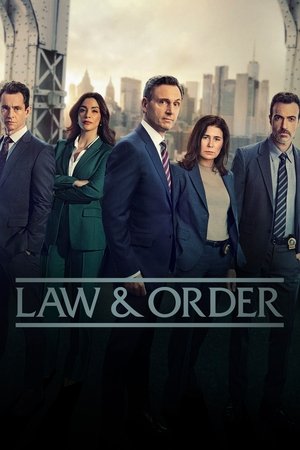
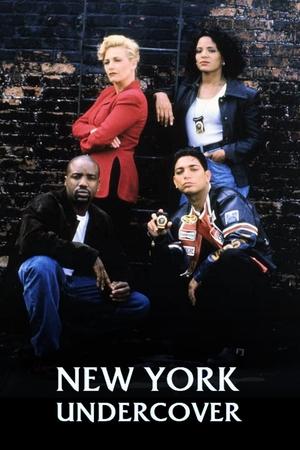
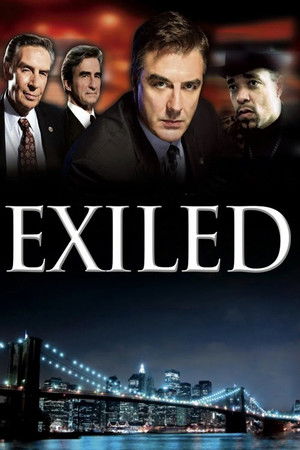
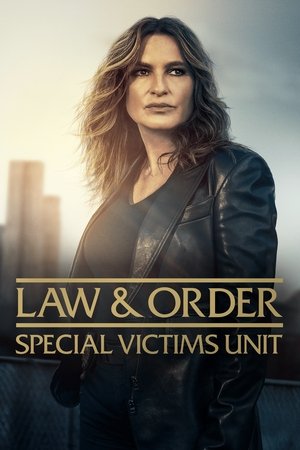
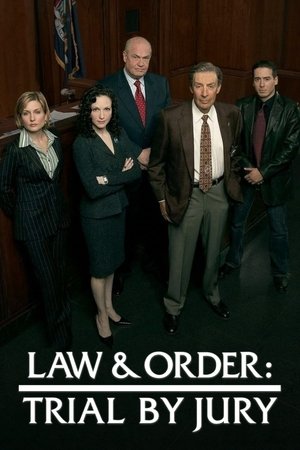
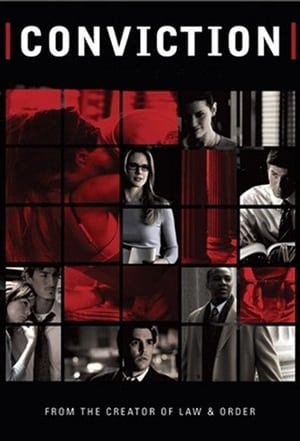
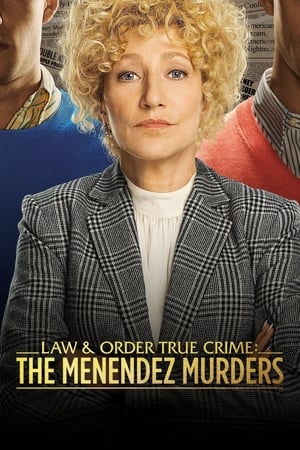
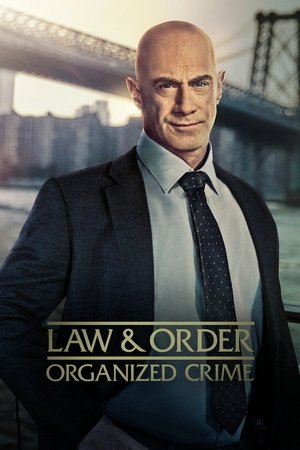
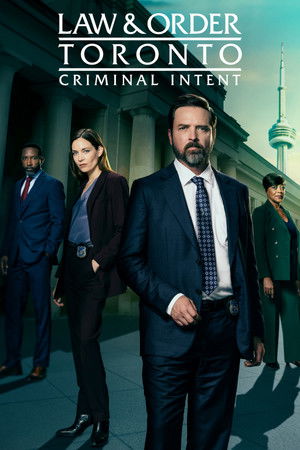
The Law & Order collection is a defining force in American television, created by Dick Wolf, that has shaped the police procedural and legal drama landscape for over three decades. Originating with the flagship series in 1990, the collection is built on a signature bifurcated structure: the first half follows police detectives investigating a crime, and the second half depicts the district attorney's office prosecuting the case. This formula, often drawing inspiration from real-life headlines, offers a gritty, systematic examination of the criminal justice system and the societal complexities it navigates. The collection's longevity is rooted in its ability to provide a reliable, episodic framework while simultaneously serving as a cultural mirror, reflecting evolving public anxieties around justice, power, and victimhood across generations.\n\nThe collection's scope extends far beyond the original series, encompassing a diverse array of spin-offs that explore different facets of law enforcement and jurisprudence. *Law & Order: Special Victims Unit* delves into the psychologically intense realm of sexually based offenses, becoming a cultural phenomenon in its own right, while *Law & Order: Criminal Intent* shifts perspective to include the psychology of the criminal. Other entries, such as *Law & Order: Trial by Jury* and the short-lived *Conviction*, focus tightly on courtroom dynamics and the lives of young prosecutors. The collection's adaptability is demonstrated by its international expansion with *Law & Order: UK*, which recontextualized American scripts for the British legal system, and more recent additions like *Law & Order: Organized Crime* and *Law & Order Toronto: Criminal Intent*, which continue to evolve the brand's storytelling approach.\n\nA key element of the collection's enduring appeal is its interconnected universe, where characters and narratives cross between series, creating a dense, lived-in world for dedicated viewers. This shared continuity was established early on through crossovers with *Homicide: Life on the Street* and *New York Undercover*, and extended into standalone television films like *Exiled: A Law & Order Movie* and *Homicide: The Movie*. The anthology-style *Law & Order True Crime* further broadened the format by dedicating entire seasons to deep dives into infamous real-life cases. Through this web of interconnected stories, the Law & Order collection has amassed a vast number of episodes, cementing its legacy as a storytelling institution that persistently interrogates the pursuit of truth within an imperfect system.