📺 Law & Order: Trial by Jury (2005)
Part of Law & Order Franchise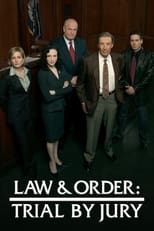
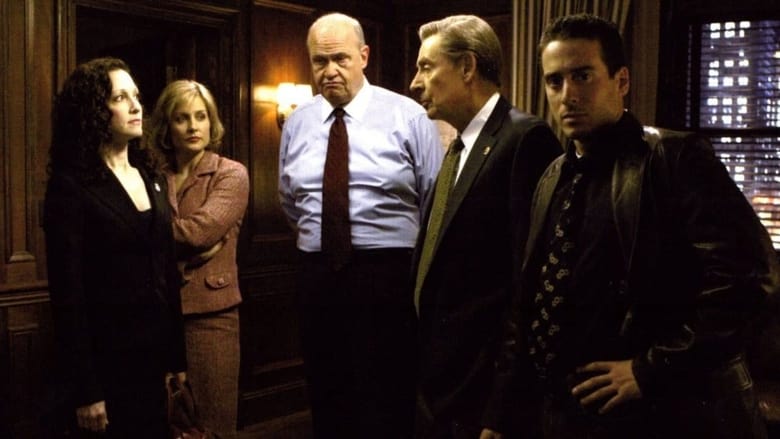
Law & Order: Trial by Jury was the fourth series in Dick Wolf's venerable Law & Order franchise, taking a unique and focused approach to the criminal justice formula. Premiering in 2005, the series shifted the lens almost exclusively to the courtroom, concentrating on the preparation, strategy, and execution of a criminal trial. Unlike its predecessors, which often began with the crime or its discovery, Trial by Jury frequently opened with a witness or victim's personal account, immediately immersing the viewer in the human stakes of the legal process.
The show distinguished itself by pulling back the curtain on elements of the legal system rarely depicted on television. It delved into the meticulous work of jury selection, the confidential deliberations inside the jury room, and the use of jury research and mock trials by the defense to psychologically profile and influence potential jurors. This focus on the tactical battle between prosecution and defense, both inside and outside the courtroom, offered a fresh perspective within the well-established franchise, exploring how justice is shaped long before a verdict is read.
Despite its innovative premise and the strength of the Law & Order brand, Trial by Jury had a short life on the air. It premiered on NBC in March 2005 but struggled to find a substantial audience in its Friday night time slot. The series was canceled after a single season, with its final episode airing months later on Court TV. Its brief run makes it a fascinating, if fleeting, chapter in the franchise's history, remembered for its ambitious attempt to dissect the trial process with a level of detail and focus that set it apart from its sister shows.

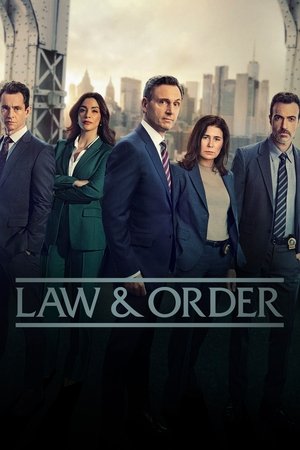
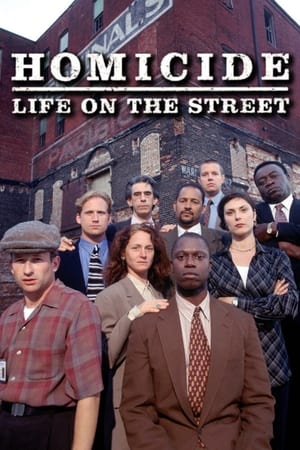
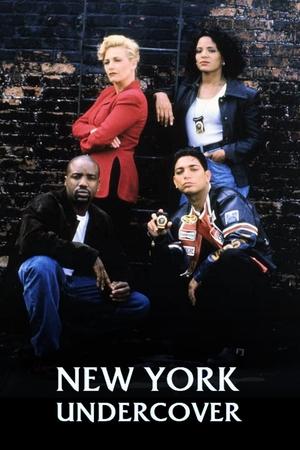
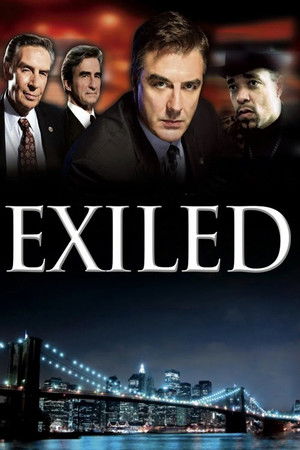
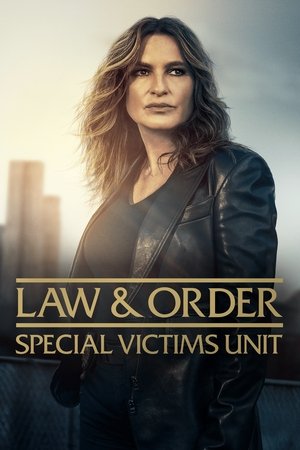
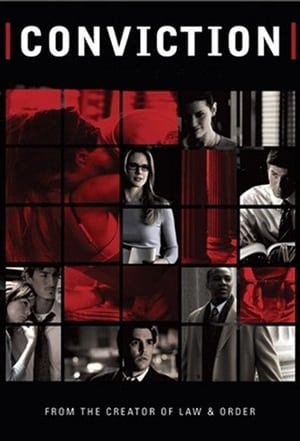
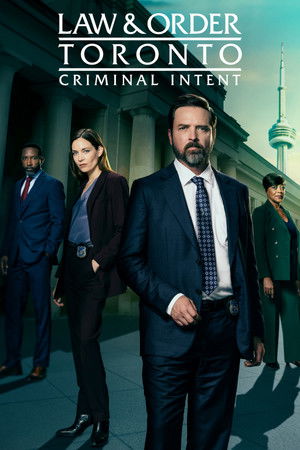
The Law & Order collection is a defining force in American television, created by Dick Wolf, that has shaped the police procedural and legal drama landscape for over three decades. Originating with the flagship series in 1990, the collection is built on a signature bifurcated structure: the first half follows police detectives investigating a crime, and the second half depicts the district attorney's office prosecuting the case. This formula, often drawing inspiration from real-life headlines, offers a gritty, systematic examination of the criminal justice system and the societal complexities it navigates. The collection's longevity is rooted in its ability to provide a reliable, episodic framework while simultaneously serving as a cultural mirror, reflecting evolving public anxieties around justice, power, and victimhood across generations.\n\nThe collection's scope extends far beyond the original series, encompassing a diverse array of spin-offs that explore different facets of law enforcement and jurisprudence. *Law & Order: Special Victims Unit* delves into the psychologically intense realm of sexually based offenses, becoming a cultural phenomenon in its own right, while *Law & Order: Criminal Intent* shifts perspective to include the psychology of the criminal. Other entries, such as *Law & Order: Trial by Jury* and the short-lived *Conviction*, focus tightly on courtroom dynamics and the lives of young prosecutors. The collection's adaptability is demonstrated by its international expansion with *Law & Order: UK*, which recontextualized American scripts for the British legal system, and more recent additions like *Law & Order: Organized Crime* and *Law & Order Toronto: Criminal Intent*, which continue to evolve the brand's storytelling approach.\n\nA key element of the collection's enduring appeal is its interconnected universe, where characters and narratives cross between series, creating a dense, lived-in world for dedicated viewers. This shared continuity was established early on through crossovers with *Homicide: Life on the Street* and *New York Undercover*, and extended into standalone television films like *Exiled: A Law & Order Movie* and *Homicide: The Movie*. The anthology-style *Law & Order True Crime* further broadened the format by dedicating entire seasons to deep dives into infamous real-life cases. Through this web of interconnected stories, the Law & Order collection has amassed a vast number of episodes, cementing its legacy as a storytelling institution that persistently interrogates the pursuit of truth within an imperfect system.