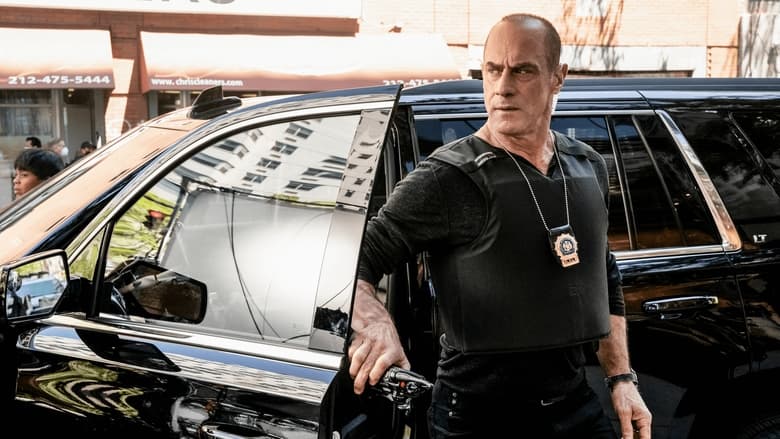
📺 Law & Order: Organized Crime (2021)
Part of Law & Order Franchise
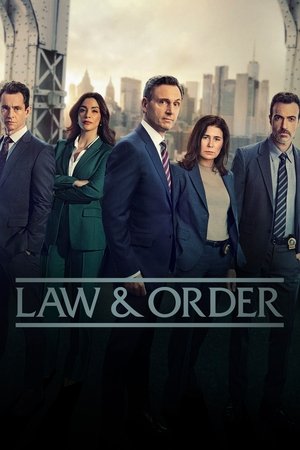
Law & Order: Organized Crime is a spin-off of the long-running NBC series Law & Order, which originally premiered in 1990. The show focuses on Detective Elliot Stabler, a character originally introduced on Law & Order: Special Victims Unit, as he returns to the NYPD to lead a task force targeting organized crime syndicates. Unlike the original series' episodic format, Organized Crime features season-long story arcs that delve deeper into the criminal underworld.
The series marks the return of Christopher Meloni to the role of Stabler after a decade-long absence from the franchise. It was created by Dick Wolf, Ilene Chaiken, and Matt Olmstead, and premiered on April 1, 2021. The show has been noted for its darker, serialized storytelling and its connections to the broader Law & Order universe, including crossover events with both Law & Order and Law & Order: Special Victims Unit.
After five seasons, the series was canceled in April 2026, with its final season airing on Peacock. The show's legacy includes expanding the Law & Order franchise's exploration of organized crime and providing a deeper look at a beloved character's personal and professional life.

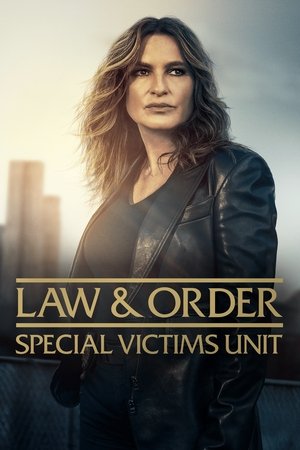
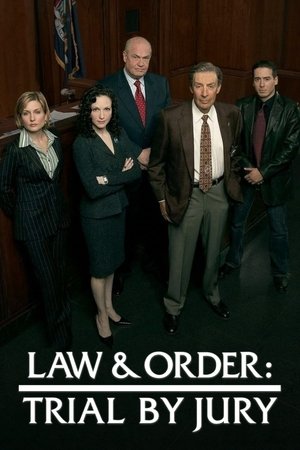
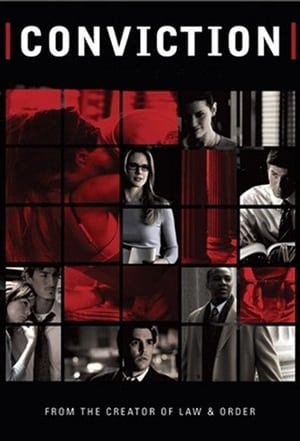
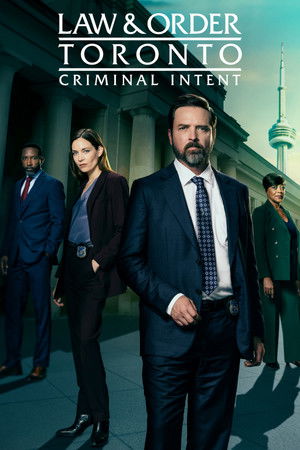
The Law & Order collection is a defining force in American television, created by Dick Wolf, that has shaped the police procedural and legal drama landscape for over three decades. Originating with the flagship series in 1990, the collection is built on a signature bifurcated structure: the first half follows police detectives investigating a crime, and the second half depicts the district attorney's office prosecuting the case. This formula, often drawing inspiration from real-life headlines, offers a gritty, systematic examination of the criminal justice system and the societal complexities it navigates. The collection's longevity is rooted in its ability to provide a reliable, episodic framework while simultaneously serving as a cultural mirror, reflecting evolving public anxieties around justice, power, and victimhood across generations.\n\nThe collection's scope extends far beyond the original series, encompassing a diverse array of spin-offs that explore different facets of law enforcement and jurisprudence. *Law & Order: Special Victims Unit* delves into the psychologically intense realm of sexually based offenses, becoming a cultural phenomenon in its own right, while *Law & Order: Criminal Intent* shifts perspective to include the psychology of the criminal. Other entries, such as *Law & Order: Trial by Jury* and the short-lived *Conviction*, focus tightly on courtroom dynamics and the lives of young prosecutors. The collection's adaptability is demonstrated by its international expansion with *Law & Order: UK*, which recontextualized American scripts for the British legal system, and more recent additions like *Law & Order: Organized Crime* and *Law & Order Toronto: Criminal Intent*, which continue to evolve the brand's storytelling approach.\n\nA key element of the collection's enduring appeal is its interconnected universe, where characters and narratives cross between series, creating a dense, lived-in world for dedicated viewers. This shared continuity was established early on through crossovers with *Homicide: Life on the Street* and *New York Undercover*, and extended into standalone television films like *Exiled: A Law & Order Movie* and *Homicide: The Movie*. The anthology-style *Law & Order True Crime* further broadened the format by dedicating entire seasons to deep dives into infamous real-life cases. Through this web of interconnected stories, the Law & Order collection has amassed a vast number of episodes, cementing its legacy as a storytelling institution that persistently interrogates the pursuit of truth within an imperfect system.