📺 Law & Order: Criminal Intent (2001)
Part of Law & Order Franchise
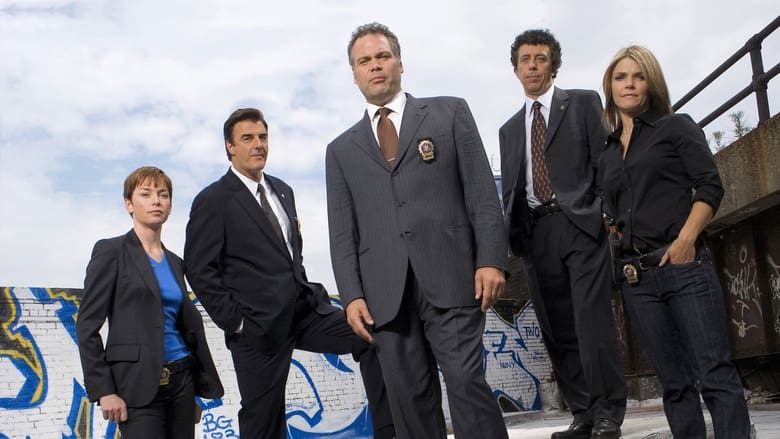
Law & Order: Criminal Intent premiered on September 30, 2001, as the third series in Dick Wolf's ever-expanding Law & Order franchise. Created by Wolf and René Balcer, the show carved out its own distinctive niche within the franchise by focusing on the NYPD's Major Case Squad, a unit that investigates high-profile crimes involving VIPs, government officials, the financial industry, and the art world. Unlike the original Law & Order's split between police work and courtroom drama, Criminal Intent devoted most of its runtime to the investigative process, often revealing the perpetrator's identity to the audience early on and exploring the cat-and-mouse psychological game between detective and suspect.
The series was anchored by Vincent D'Onofrio's intense, intellectually eccentric performance as Detective Robert Goren, a modern-day Sherlock Holmes whose encyclopedic knowledge and uncanny ability to read people made him one of television's most memorable detectives. Kathryn Erbe co-starred as Detective Alexandra Eames, Goren's pragmatic partner who grounded his more theatrical instincts. The show alternated episodes between the Goren/Eames pairing and other detective teams over the years, including Chris Noth as Detective Mike Logan (reprising his role from the original Law & Order) and later Jeff Goldblum as Detective Zach Nichols.
True to the Law & Order tradition, Criminal Intent frequently employed the franchise's signature "ripped from the headlines" approach, crafting fictionalized versions of real crimes that had captured media attention. The series aired on NBC for its first six seasons before moving to the USA Network for its remaining four seasons, a cost-sharing arrangement that allowed the show to continue production despite declining ratings on broadcast television. The series concluded on June 26, 2011, after ten seasons and 195 episodes, leaving behind a legacy as one of the most psychologically sophisticated entries in the police procedural genre.

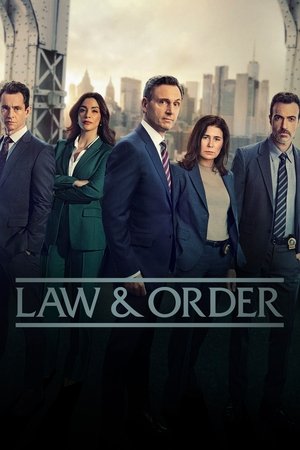
The Law & Order franchise is an American media franchise created by Dick Wolf, originating with the police procedural and legal drama series Law & Order, which premiered on NBC in 1990. Set primarily in New York City, the franchise is known for its distinctive two-part structure — the first half focusing on police investigation and the second half on criminal prosecution — though individual series within the franchise sometimes emphasize one aspect over the other. The franchise has become one of the most enduring and successful in television history, spanning multiple decades, series, and formats.
The original Law & Order series established the template that would define the franchise: a ripped-from-the-headlines approach to storytelling, ensemble casts that rotated over time, and a focus on the procedural machinery of the criminal justice system. The show's longevity and consistent formula made it a cultural institution, running for 20 seasons from 1990 to 2010, and later revived in 2022.
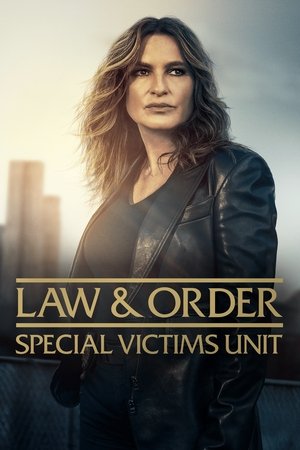
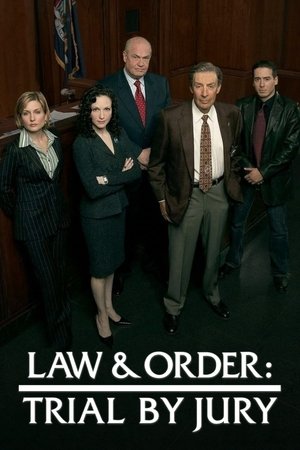
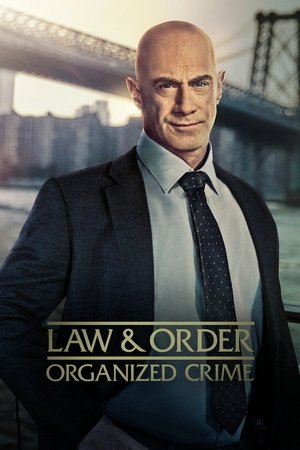
Beyond the flagship series, the franchise expanded to include several spin-offs that explored different facets of the criminal justice system. Law & Order: Special Victims Unit (1999) focused on sexually based offenses, while Law & Order: Criminal Intent (2001) delved into the psychological motivations of criminals from the perspective of the Major Case Squad. Later entries included Law & Order: Trial by Jury, Law & Order: LA, Law & Order: True Crime, and Law & Order: Organized Crime. The franchise also spawned international adaptations, video games, and a considerable presence in popular culture, cementing its place as a defining force in the police procedural genre.

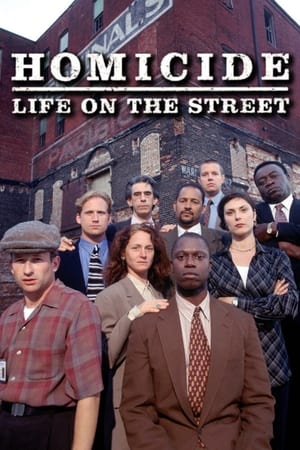
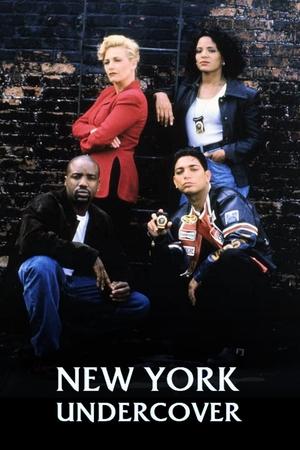
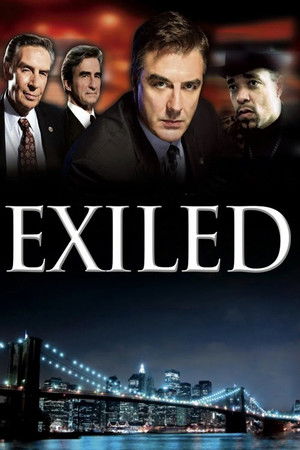
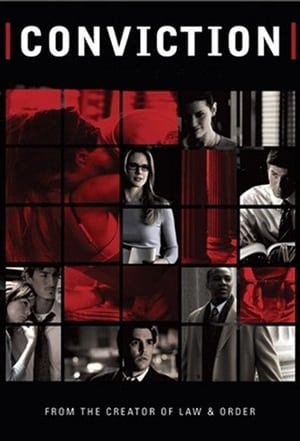
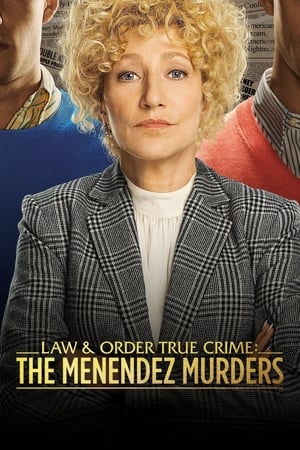
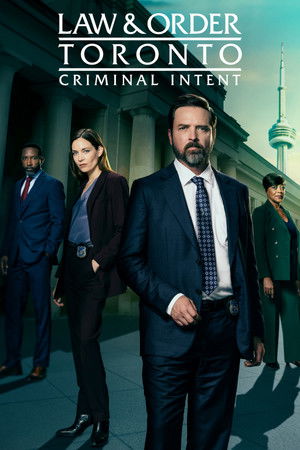
The Law & Order collection is a defining force in American television, created by Dick Wolf, that has shaped the police procedural and legal drama landscape for over three decades. Originating with the flagship series in 1990, the collection is built on a signature bifurcated structure: the first half follows police detectives investigating a crime, and the second half depicts the district attorney's office prosecuting the case. This formula, often drawing inspiration from real-life headlines, offers a gritty, systematic examination of the criminal justice system and the societal complexities it navigates. The collection's longevity is rooted in its ability to provide a reliable, episodic framework while simultaneously serving as a cultural mirror, reflecting evolving public anxieties around justice, power, and victimhood across generations.\n\nThe collection's scope extends far beyond the original series, encompassing a diverse array of spin-offs that explore different facets of law enforcement and jurisprudence. *Law & Order: Special Victims Unit* delves into the psychologically intense realm of sexually based offenses, becoming a cultural phenomenon in its own right, while *Law & Order: Criminal Intent* shifts perspective to include the psychology of the criminal. Other entries, such as *Law & Order: Trial by Jury* and the short-lived *Conviction*, focus tightly on courtroom dynamics and the lives of young prosecutors. The collection's adaptability is demonstrated by its international expansion with *Law & Order: UK*, which recontextualized American scripts for the British legal system, and more recent additions like *Law & Order: Organized Crime* and *Law & Order Toronto: Criminal Intent*, which continue to evolve the brand's storytelling approach.\n\nA key element of the collection's enduring appeal is its interconnected universe, where characters and narratives cross between series, creating a dense, lived-in world for dedicated viewers. This shared continuity was established early on through crossovers with *Homicide: Life on the Street* and *New York Undercover*, and extended into standalone television films like *Exiled: A Law & Order Movie* and *Homicide: The Movie*. The anthology-style *Law & Order True Crime* further broadened the format by dedicating entire seasons to deep dives into infamous real-life cases. Through this web of interconnected stories, the Law & Order collection has amassed a vast number of episodes, cementing its legacy as a storytelling institution that persistently interrogates the pursuit of truth within an imperfect system.