🎬 Crayon Shin-chan: Super-Dimension! The Storm Called My Bride (2010)
Part of Crayon Shin-chan
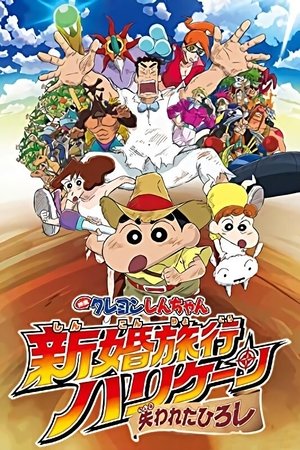
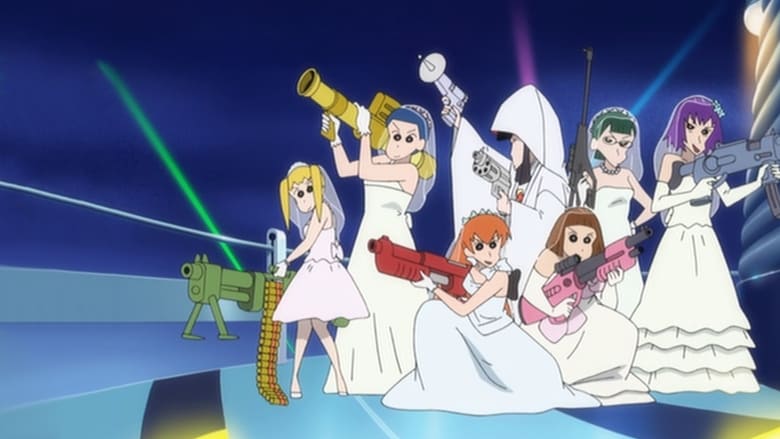
Crayon Shin-chan: Super-Dimension! The Storm Called My Bride is the 18th animated feature film in the long-running Crayon Shin-chan franchise, released in Japanese theaters in 2010. Like all entries in the series, it is based on the beloved manga created by Yoshito Usui, which first appeared in 1990 and became a cornerstone of Japanese pop culture. The film takes the familiar characters from the manga and television series and throws them into a science-fiction adventure involving time travel, a dystopian future, and a mysterious woman who claims to be the adult Shin-chan's fiancée.
The plot follows five-year-old Shinnosuke and his friends as they are whisked into the future by Tamiko, a woman who insists that the adult Shin-chan has been turned to stone by her powerful father. To save his future self, young Shin-chan must navigate a strange new world while retaining his signature irreverent humor and unpredictable behavior. The film blends the franchise's trademark crude comedy with a more emotionally resonant storyline about growing up and the bonds that persist across time.
This installment is notable for its shift into a more overtly sci-fi setting compared to the typically domestic or historical backdrops of earlier films. While the Crayon Shin-chan movies are known for parodying various genres—from samurai epics to spy thrillers—Super-Dimension! leans heavily into dystopian future tropes, giving the Nohara family a uniquely high-stakes adventure. The film was well-received by fans for its imaginative premise and for offering a rare glimpse into a possible future for the eternally five-year-old protagonist.
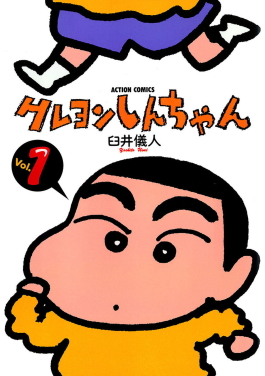
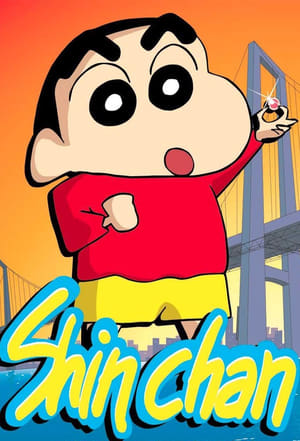
Crayon Shin-chan is a Japanese manga series written and illustrated by Yoshito Usui. It was first serialized in 1990 in the magazine Weekly Manga Action, published by Futabasha. The series follows the daily life and misadventures of Shinnosuke "Shin-chan" Nohara, a mischievous, often inappropriate five-year-old boy living in Kasukabe, Saitama Prefecture, with his family. The humor derives largely from Shin-chan's bizarre observations, linguistic misunderstandings, and his knack for embarrassing his parents in public.
Following the tragic death of Yoshito Usui in 2009, the original manga concluded. However, the franchise proved so popular that a continuation, titled New Crayon Shin-chan, began publication in 2010, created by Usui's former assistants. The manga's unique blend of crude humor, social satire, and genuine family warmth resonated deeply with readers, making it one of the best-selling manga series of all time, with over 148 million copies in circulation.
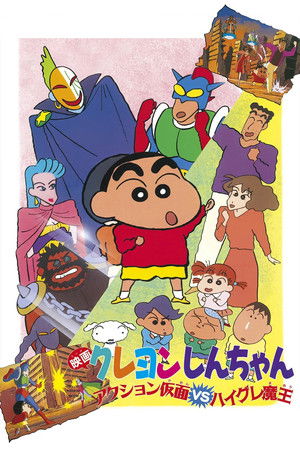
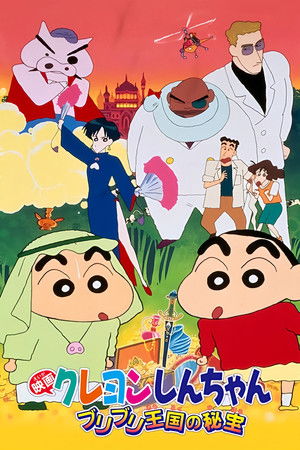
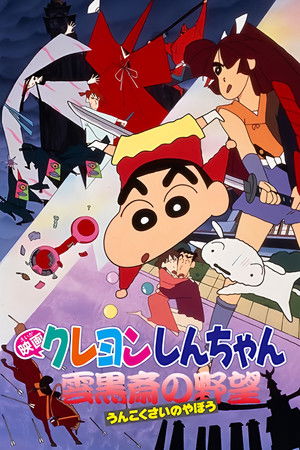
The manga spawned a massive media franchise, most notably a long-running anime television series that began airing in 1992 and continues to this day. The franchise also includes a highly successful series of annual animated feature films, video games, and a vast array of merchandise. Crayon Shin-chan has become a cultural icon in Japan and has achieved significant international popularity, dubbed into dozens of languages worldwide.
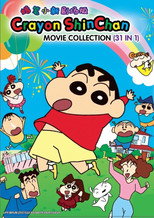
Few animated series have captured the chaotic, unfiltered energy of childhood quite like *Crayon Shin-chan*. Born from the mischievous pen of Yoshito Usui in 1990, the series centers on Shinnosuke "Shin" Nohara, a gleefully inappropriate five-year-old whose antics constantly upend the quiet suburb of Kasukabe. With his signature cheeky grin, bizarre improvised dance, and a knack for mortifying his parents, Shin became an instant cultural phenomenon, transforming everyday family life into a canvas for sharp social satire and unbridled slapstick. The franchise’s genius lies in its dual identity: on the surface a crude, laugh-out-loud comedy for children, yet layered with a wry, often nostalgic commentary on Japanese middle-class life that resonates deeply with adults.
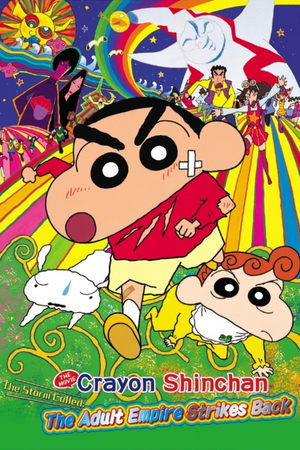
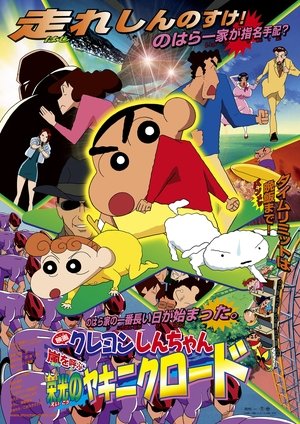
The manga’s staggering success—selling over 148 million copies—swiftly translated into a sprawling multimedia empire anchored by a continuously running television series since 1992 and a beloved tradition of annual feature films. These theatrical adventures often catapult the Nohara family out of their domestic mishaps and into high-stakes genre playgrounds, pitting them against everything from supernatural forces and sci-fi dystopias to historical samurai. Landmark films like *The Adult Empire Strikes Back* elevated the series to critical acclaim, weaving bittersweet reflections on nostalgia into a child’s adventure, while others like *The Glorious Storm-invoking Yakiniku Road* showcase the franchise’s unique ability to build entire sagas around absurd, mundane cravings. This cinematic legacy has cemented the films as a vital, inventive counterpart to the weekly sitcom format.
Tragically interrupted by Usui’s passing in 2009, the franchise demonstrated remarkable resilience, continuing as *New Crayon Shin-chan* under his former assistants and maintaining its status as a cultural institution. The series has never lost its fearless edge, effortlessly bouncing between toilet humor and surprisingly tender moments of familial love, all while Shin’s voice remains a generational constant in Japanese pop culture. With over 30 films, countless video game adaptations, and spin-offs, *Crayon Shin-chan* endures as a uniquely unvarnished portrait of modern life, proving that the ungovernable id of a five-year-old can be both a devastatingly funny mirror to society and a timeless engine for storytelling.