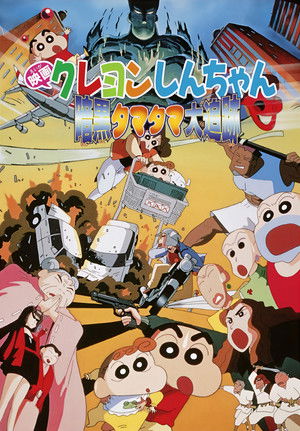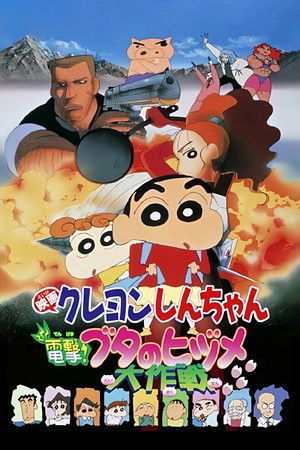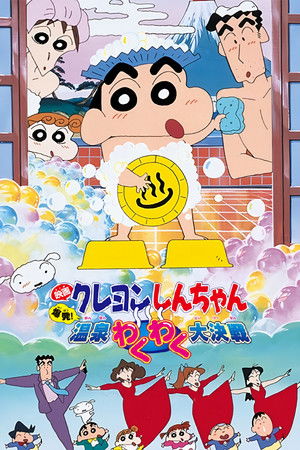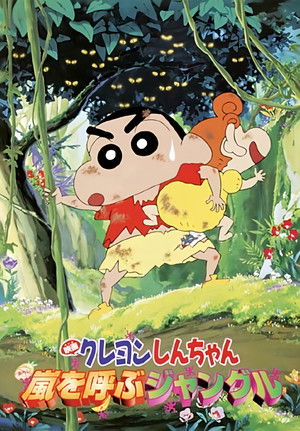
🎬 Crayon Shin-chan: Fierceness That Invites Storm! Me and the Space Princess (2012)
Part of Crayon Shin-chan
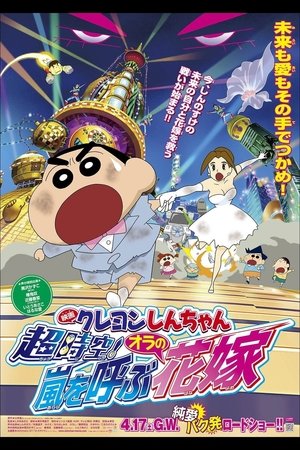
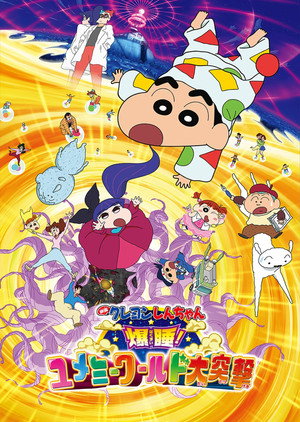
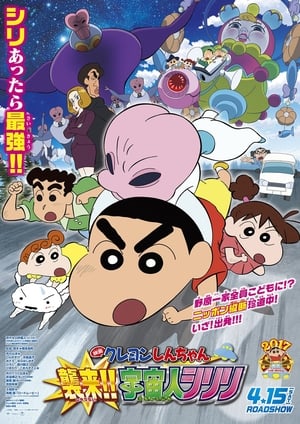
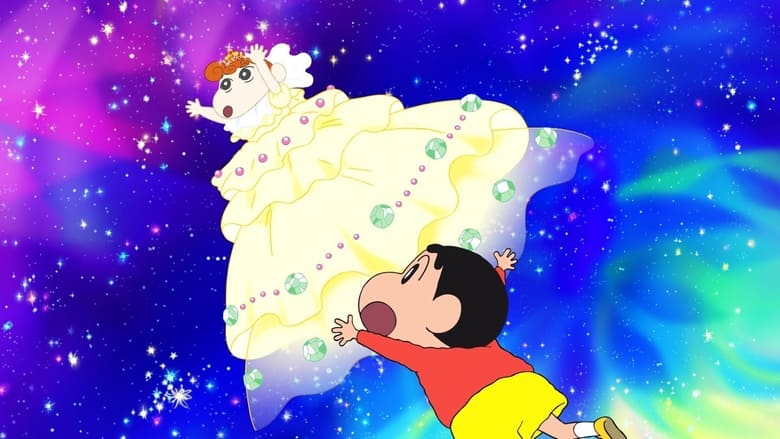
Crayon Shin-chan: Fierceness That Invites Storm! Me and the Space Princess is a 2012 Japanese anime film that marks a significant milestone as the 20th theatrical feature in the long-running Crayon Shin-chan franchise, commemorating the 20th anniversary of the original television series. The film presents a whimsical science fiction narrative where the Nohara family becomes entangled with aliens from a hidden planet named Himawari, which shares its name with Shinnosuke's baby sister and translates to 'sunflower.' These extraterrestrial visitors reveal that they manufacture 'happiness bubbles' from the Sun's rays and secretly export the surplus to Earth, a process that has recently faltered, leading to a global rise in depression and declining fertility rates in Japan.
The story blends the series' signature irreverent humor with a more fantastical, cosmic-scale adventure, taking the familiar suburban setting of Kasukabe into outer space. The film's theme song, 'Shounen yo, uso wo tsuke!' (Boy, you'll lie), complements the playful yet heartfelt tone typical of the franchise's cinematic outings. As with many Crayon Shin-chan films, it balances absurd comedy with moments of genuine family warmth, all while placing the mischievous five-year-old Shinnosuke at the center of an intergalactic crisis.
Released during a period of creative consistency for the annual film series, Me and the Space Princess continues the tradition of standalone stories that do not impact the main television continuity but offer larger-scale production values and more elaborate plots. The film's environmental and social themes, such as the metaphor of 'happiness bubbles' combating a worldwide depression epidemic, add a layer of contemporary commentary beneath its colorful, child-friendly exterior. It remains a notable entry in the expansive Crayon Shin-chan filmography, beloved by fans for its imaginative premise and celebration of the franchise's enduring legacy.
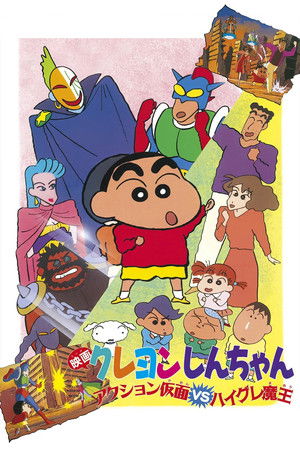
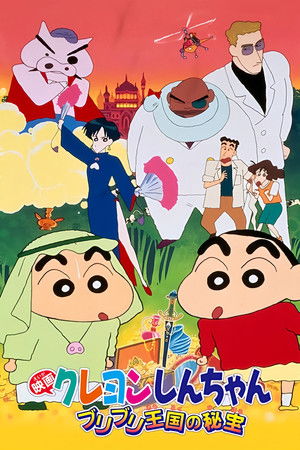
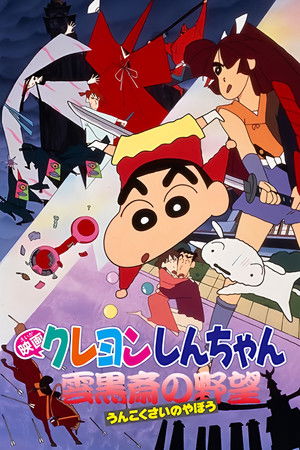
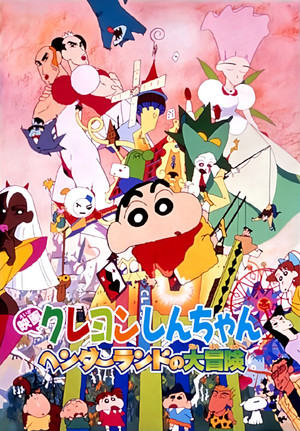
Few animated series have captured the chaotic, unfiltered energy of childhood quite like *Crayon Shin-chan*. Born from the mischievous pen of Yoshito Usui in 1990, the series centers on Shinnosuke "Shin" Nohara, a gleefully inappropriate five-year-old whose antics constantly upend the quiet suburb of Kasukabe. With his signature cheeky grin, bizarre improvised dance, and a knack for mortifying his parents, Shin became an instant cultural phenomenon, transforming everyday family life into a canvas for sharp social satire and unbridled slapstick. The franchise’s genius lies in its dual identity: on the surface a crude, laugh-out-loud comedy for children, yet layered with a wry, often nostalgic commentary on Japanese middle-class life that resonates deeply with adults.
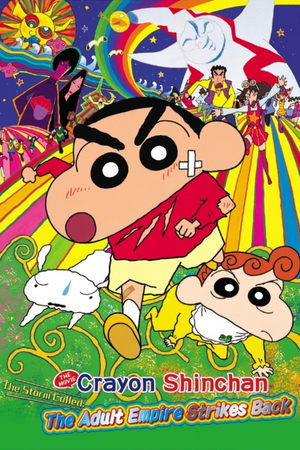
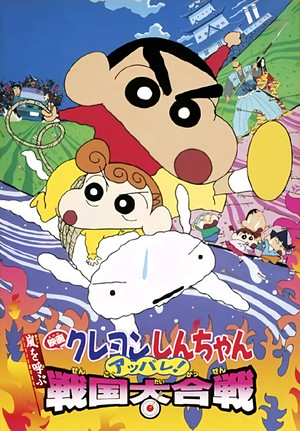
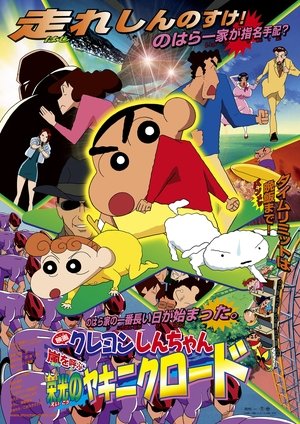
The manga’s staggering success—selling over 148 million copies—swiftly translated into a sprawling multimedia empire anchored by a continuously running television series since 1992 and a beloved tradition of annual feature films. These theatrical adventures often catapult the Nohara family out of their domestic mishaps and into high-stakes genre playgrounds, pitting them against everything from supernatural forces and sci-fi dystopias to historical samurai. Landmark films like *The Adult Empire Strikes Back* elevated the series to critical acclaim, weaving bittersweet reflections on nostalgia into a child’s adventure, while others like *The Glorious Storm-invoking Yakiniku Road* showcase the franchise’s unique ability to build entire sagas around absurd, mundane cravings. This cinematic legacy has cemented the films as a vital, inventive counterpart to the weekly sitcom format.
Tragically interrupted by Usui’s passing in 2009, the franchise demonstrated remarkable resilience, continuing as *New Crayon Shin-chan* under his former assistants and maintaining its status as a cultural institution. The series has never lost its fearless edge, effortlessly bouncing between toilet humor and surprisingly tender moments of familial love, all while Shin’s voice remains a generational constant in Japanese pop culture. With over 30 films, countless video game adaptations, and spin-offs, *Crayon Shin-chan* endures as a uniquely unvarnished portrait of modern life, proving that the ungovernable id of a five-year-old can be both a devastatingly funny mirror to society and a timeless engine for storytelling.