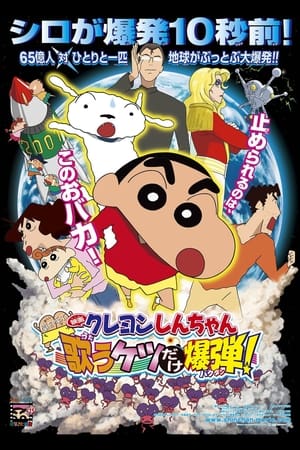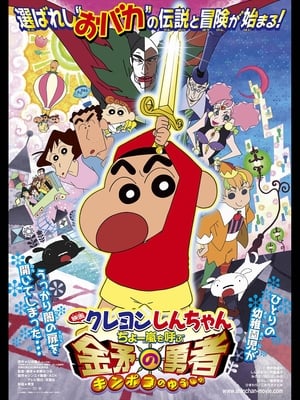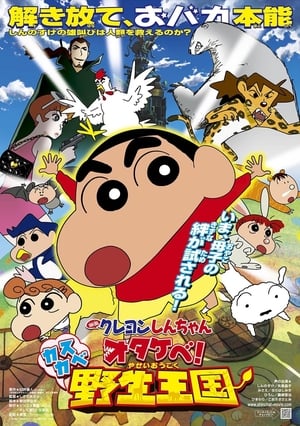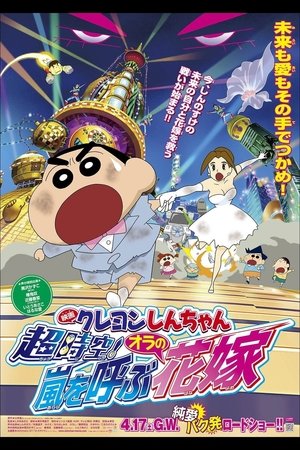
🎬 Crayon Shin-chan: Intense Battle! Robo Dad Strikes Back (2014)
Part of Crayon Shin-chan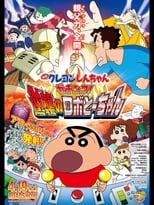
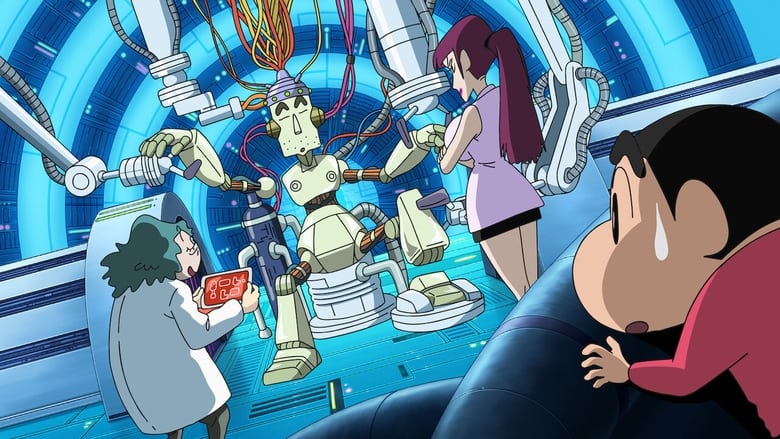
Crayon Shin-chan: Intense Battle! Robo Dad Strikes Back is the 22nd feature film in the long-running Crayon Shin-chan franchise, bringing a distinct sci-fi twist to the beloved family comedy. Directed by Wataru Takahashi and scripted by Kazuki Nakashima, known for his work on the hyper-stylized anime Kill la Kill, the film injects a dose of mecha action into the series' usual suburban antics. The plot kicks off with a classic domestic mishap: patriarch Hiroshi Nohara throws out his back while playing with his mischievous son, Shinnosuke. Desperate for a quick fix, he is lured to a suspiciously convenient spa, only to be transformed into a powerful robot, setting the stage for a bizarre and action-packed family crisis.
Beyond its slapstick humor, the film engages with surprisingly topical social commentary for a children's anime. It explores themes of automation and the replacement of human labor, reflecting anxieties about Japan's declining population and shifting gender dynamics. The narrative uses Hiroshi's robotic transformation as a literal metaphor for the pressure on the traditional salaryman and father figure, questioning what it means to be a dad in a rapidly changing society. This thematic depth, combined with Nakashima's energetic script, gives the movie a unique edge that distinguishes it from other entries in the series.
The film was released in Japanese theaters on April 19, 2014, and received critical recognition for its ambition, earning a nomination in the animation category at the prestigious Japan Media Arts Festival. A manga adaptation of the story, with art by Aiba Kenta, was also published in the October issue of Manga Town magazine to coincide with the film's release. It stands as a memorable example of how the Crayon Shin-chan films can blend heartfelt family dynamics with wild genre experimentation.
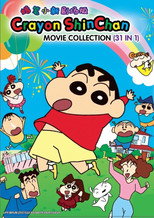
Few animated series have captured the chaotic, unfiltered energy of childhood quite like *Crayon Shin-chan*. Born from the mischievous pen of Yoshito Usui in 1990, the series centers on Shinnosuke "Shin" Nohara, a gleefully inappropriate five-year-old whose antics constantly upend the quiet suburb of Kasukabe. With his signature cheeky grin, bizarre improvised dance, and a knack for mortifying his parents, Shin became an instant cultural phenomenon, transforming everyday family life into a canvas for sharp social satire and unbridled slapstick. The franchise’s genius lies in its dual identity: on the surface a crude, laugh-out-loud comedy for children, yet layered with a wry, often nostalgic commentary on Japanese middle-class life that resonates deeply with adults.
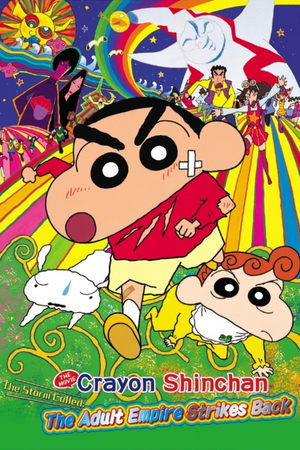
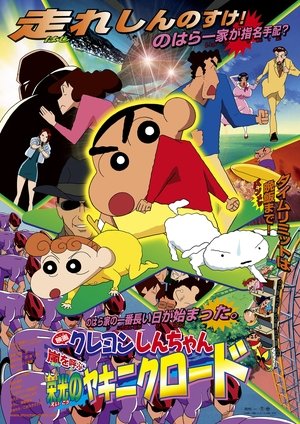
The manga’s staggering success—selling over 148 million copies—swiftly translated into a sprawling multimedia empire anchored by a continuously running television series since 1992 and a beloved tradition of annual feature films. These theatrical adventures often catapult the Nohara family out of their domestic mishaps and into high-stakes genre playgrounds, pitting them against everything from supernatural forces and sci-fi dystopias to historical samurai. Landmark films like *The Adult Empire Strikes Back* elevated the series to critical acclaim, weaving bittersweet reflections on nostalgia into a child’s adventure, while others like *The Glorious Storm-invoking Yakiniku Road* showcase the franchise’s unique ability to build entire sagas around absurd, mundane cravings. This cinematic legacy has cemented the films as a vital, inventive counterpart to the weekly sitcom format.
Tragically interrupted by Usui’s passing in 2009, the franchise demonstrated remarkable resilience, continuing as *New Crayon Shin-chan* under his former assistants and maintaining its status as a cultural institution. The series has never lost its fearless edge, effortlessly bouncing between toilet humor and surprisingly tender moments of familial love, all while Shin’s voice remains a generational constant in Japanese pop culture. With over 30 films, countless video game adaptations, and spin-offs, *Crayon Shin-chan* endures as a uniquely unvarnished portrait of modern life, proving that the ungovernable id of a five-year-old can be both a devastatingly funny mirror to society and a timeless engine for storytelling.