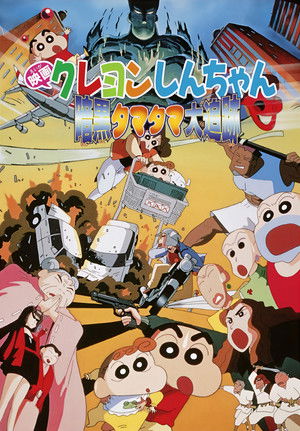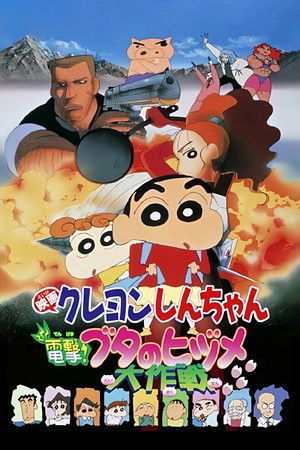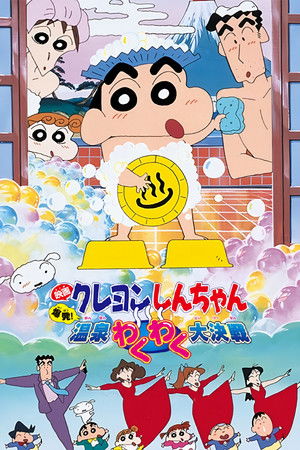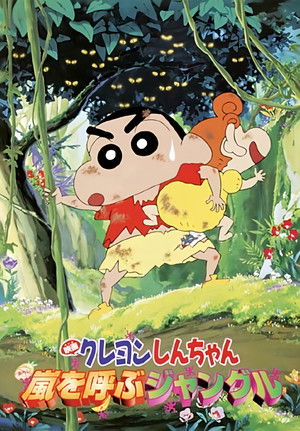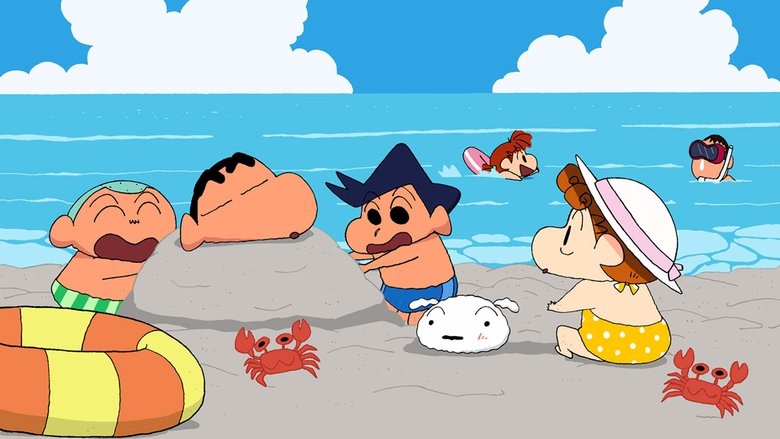
📺 Shin Chan (1992)
Based on manga
When the Crayon Shin-chan manga leaped from the page to the television screen in 1992, few could have predicted that this crudely drawn, butt-wiggling kindergartner would become a permanent fixture of Japanese pop culture. Produced by Shin-Ei Animation and airing on TV Asahi, the anime initially served as a direct adaptation of Yoshito Usui’s original manga chapters, faithfully recreating Shinnosuke’s daily chaos in Kasukabe. However, the series quickly outgrew its source material. Much like its long-running predecessor Doraemon, the show soon exhausted the available manga stories and transitioned into producing original episodes, crafting its own unique continuity filled with holiday specials, extended story arcs, and a deeper exploration of the supporting cast that the manga only hinted at.
The series’ survival is a story in itself. Originally intended to conclude in 1994 to make way for a remake of Umeboshi Denka, the show’s explosive ratings forced TV Asahi to scrap those plans entirely. This last-minute reprieve allowed the anime to evolve under a succession of directors—from Mitsuru Hongo to Keiichi Hara—each bringing subtle tonal shifts while preserving the series’ signature blend of toilet humor and genuine heart. The anime amplified the source material’s satirical edge, using Shin-chan’s obliviousness to mercilessly parody Japanese social norms, from corporate salaryman life to neighborhood gossip, often pushing the boundaries of what was acceptable for a family timeslot.
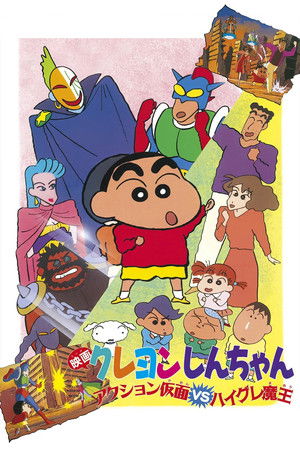
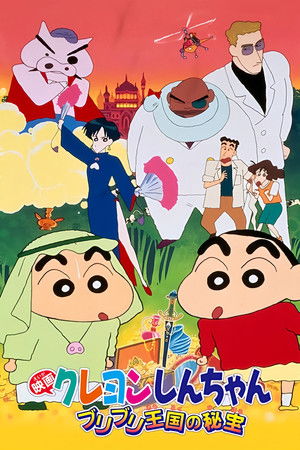
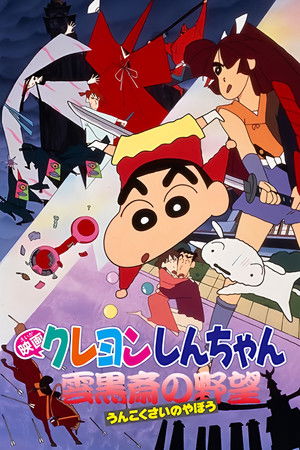
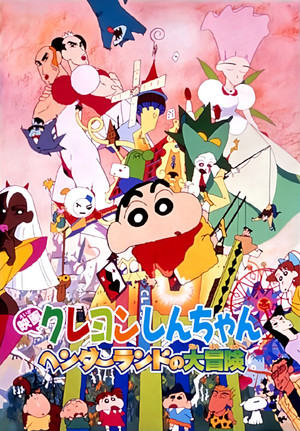
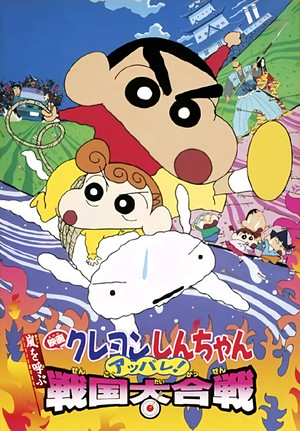
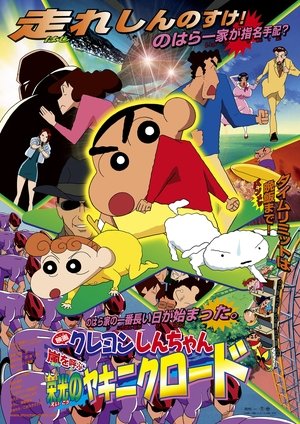
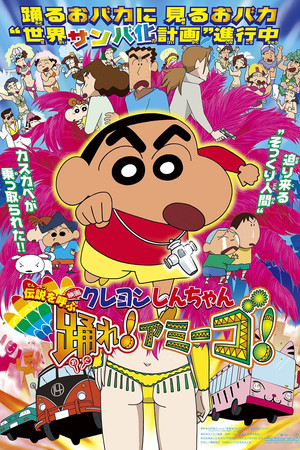
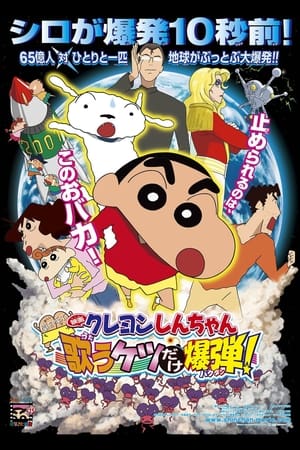
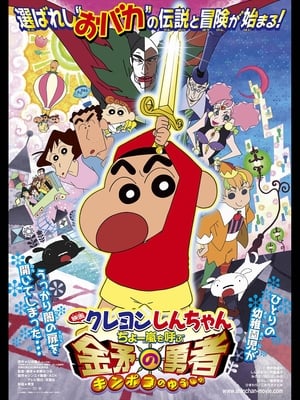
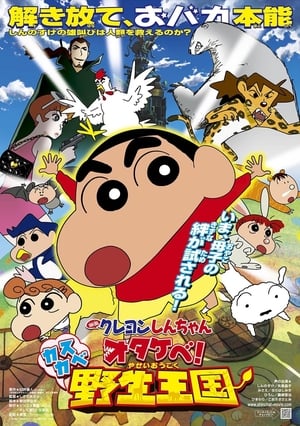
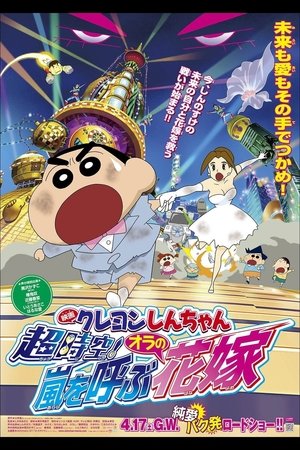
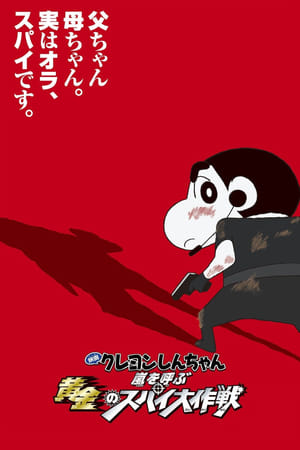
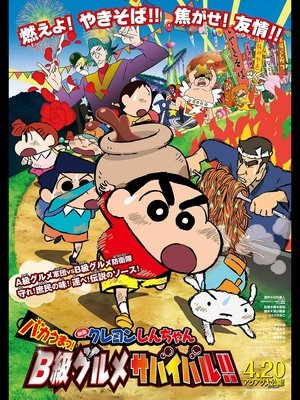
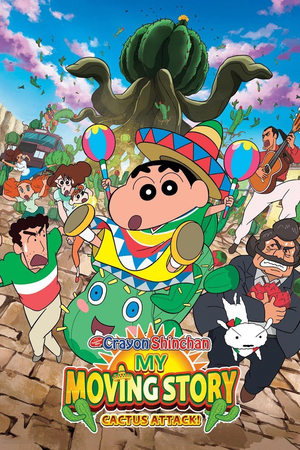
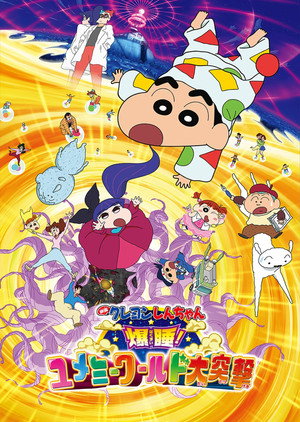
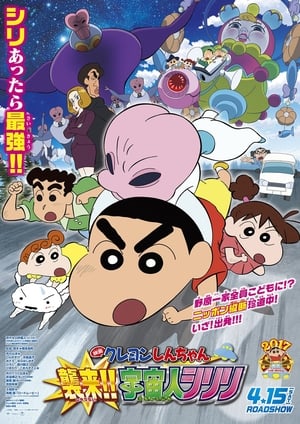
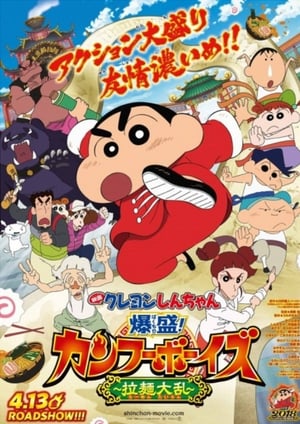
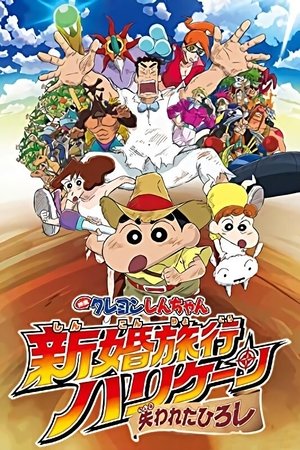
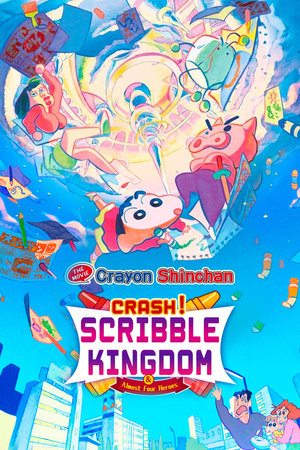
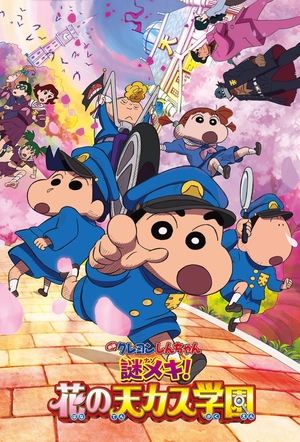
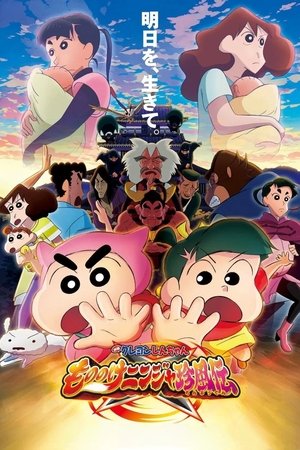
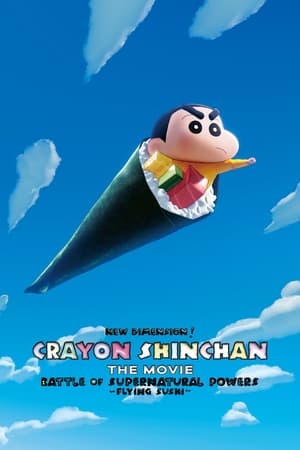
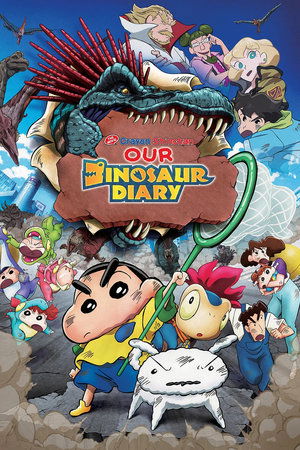
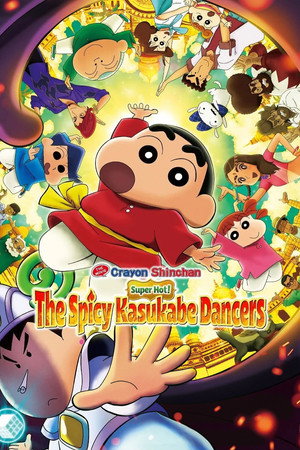
Visually and audibly, the adaptation cemented the iconic status of its characters. The voice cast, led by Akiko Yajima as Shin-chan for over 25 years, defined the character’s mischievous yet oddly endearing vocal mannerisms. The anime also expanded the world beyond the Nohara household, giving more screen time to the colorful residents of Kasukabe and Shin-chan’s kindergarten friends, the Kasukabe Defense Group. This expansion proved so successful that the franchise launched an annual movie series in 1993, which continues to this day, often taking the characters into wildly different genres—from historical epics to action-packed adventures—something the grounded manga rarely attempted.
Decades later, the adaptation continues to adapt to the times. A significant format revamp in 2018 saw the show move to a Saturday afternoon block, introducing re-broadcast segments with re-recorded audio by the current voice cast. Following the tragic passing of creator Yoshito Usui in 2009, the anime has carried the torch, later incorporating elements from the New Crayon Shin-chan manga continuation. The 1992 TV series didn’t just adapt a popular comic; it transformed a gag manga into an immortal, multi-generational institution that has been exported to over 85 countries, proving that a five-year-old’s inappropriate questions truly are a universal language.

Crayon Shin-chan is a Japanese manga series written and illustrated by Yoshito Usui. It was first serialized in 1990 in the magazine Weekly Manga Action, published by Futabasha. The series follows the daily life and misadventures of Shinnosuke "Shin-chan" Nohara, a mischievous, often inappropriate five-year-old boy living in Kasukabe, Saitama Prefecture, with his family. The humor derives largely from Shin-chan's bizarre observations, linguistic misunderstandings, and his knack for embarrassing his parents in public.
Following the tragic death of Yoshito Usui in 2009, the original manga concluded. However, the franchise proved so popular that a continuation, titled New Crayon Shin-chan, began publication in 2010, created by Usui's former assistants. The manga's unique blend of crude humor, social satire, and genuine family warmth resonated deeply with readers, making it one of the best-selling manga series of all time, with over 148 million copies in circulation.
The manga spawned a massive media franchise, most notably a long-running anime television series that began airing in 1992 and continues to this day. The franchise also includes a highly successful series of annual animated feature films, video games, and a vast array of merchandise. Crayon Shin-chan has become a cultural icon in Japan and has achieved significant international popularity, dubbed into dozens of languages worldwide.