🎬 Barbie and the Three Musketeers (2009)
Part of Barbie Franchise
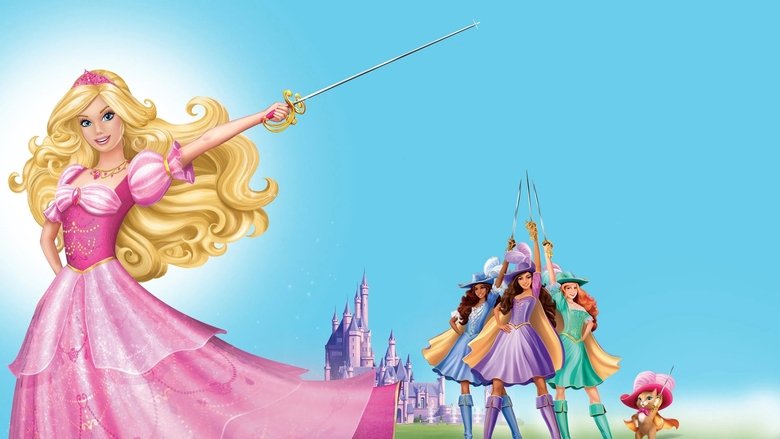
Barbie and the Three Musketeers reimagines Alexandre Dumas's classic swashbuckler as a vibrant, girl-power fantasy, transplanting the story into a pastel-hued 17th-century France where the next generation of heroes is decidedly female. The film follows Corinne, the spirited daughter of the now-legendary d'Artagnan, who leaves her countryside farm for Paris with dreams of joining the Musketeers just like her father. Rather than a straightforward retelling, the adaptation cleverly inverts the original's premise: instead of a young man proving himself among seasoned warriors, we watch a young woman fight against a society that dismisses her ambitions. The three musketeers she befriends are not Athos, Porthos, and Aramis, but three young women working as palace maids—Viveca, Aramina, and Renée—who secretly train in swordplay and dream of becoming protectors of the royal family.
The film transforms Dumas's tale of political intrigue and male camaraderie into a story about female friendship, perseverance, and challenging gender expectations. The villainous plot revolves around a coup against Prince Louis, with the antagonist Philippe scheming to seize power, echoing the court conspiracies of the source material but streamlined for a younger audience. The iconic sword fights and daring escapes remain, now choreographed with the grace of ballet and the sparkle of magical gemstones that the heroines discover give them enhanced abilities. Miette, Corinne's kitten who dreams of becoming a "mus-cat-eer," provides comic relief and a feline parallel to the main quest, while the film's message emphasizes that courage and skill know no gender.
Released directly to DVD in September 2009 as the sixteenth entry in the long-running Barbie film series, the movie features Kelly Sheridan voicing Corinne with the earnest determination that became a hallmark of the franchise's animated heroines. The CGI animation presents a stylized France of glittering chandeliers, grand ballrooms, and cobblestone streets, all rendered in the signature Barbie aesthetic that prioritizes elegance and accessibility over historical grit. While purists might balk at the radical departure from Dumas's text, the adaptation succeeds on its own terms as an empowering fairy tale that introduces young viewers to the spirit of the Musketeers—loyalty, bravery, and fighting for what's right—through a lens that invites everyone to see themselves in the adventure.
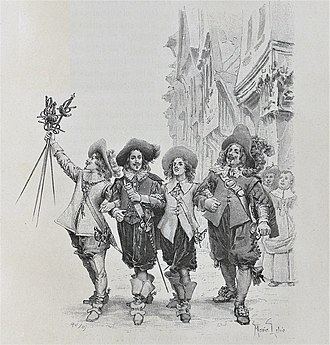
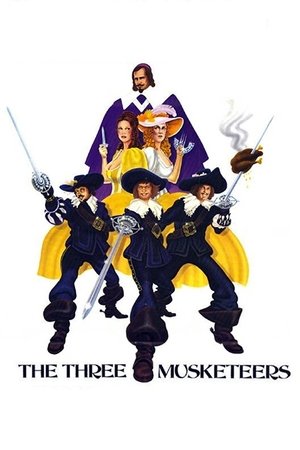
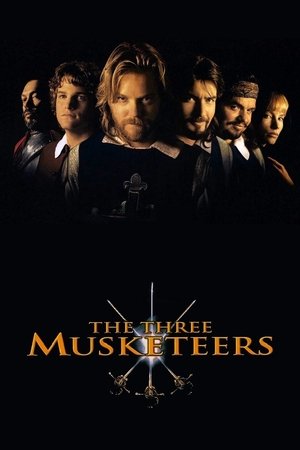
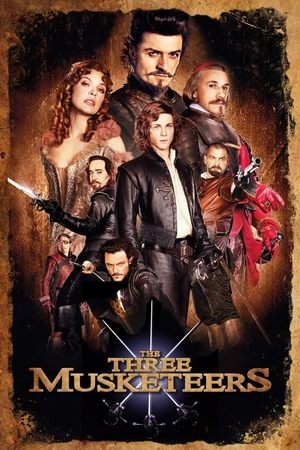
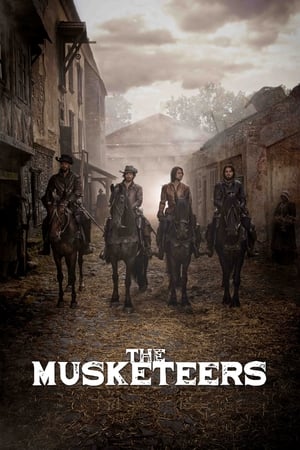
The Three Musketeers is a historical adventure novel written by French author Alexandre Dumas, first published in serial form in 1844. Set between 1625 and 1628, it recounts the adventures of a young man named d'Artagnan after he leaves home to travel to Paris, hoping to join the Musketeers of the Guard. Although d'Artagnan is not able to join this elite corps immediately, he befriends three of the most formidable musketeers of the age — Athos, Porthos, and Aramis — and becomes embroiled in affairs of state and court.
The novel is celebrated for its swashbuckling action, memorable characters, and intricate plotting involving political intrigue, romance, and betrayal. It explores themes of honor, friendship, and loyalty, famously encapsulated in the musketeers' motto: "All for one, and one for all." The story draws loosely on historical figures and events, including Cardinal Richelieu, King Louis XIII, Queen Anne, and the Duke of Buckingham.
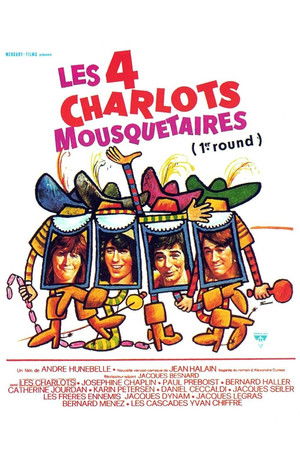
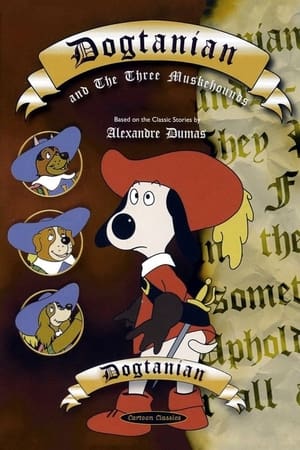
One of the most widely read French novels, The Three Musketeers has been adapted countless times across virtually every medium, including film, television, stage, and comics. Its enduring popularity has made d'Artagnan and the three musketeers archetypal figures in popular culture, and the novel remains a cornerstone of classic adventure literature.
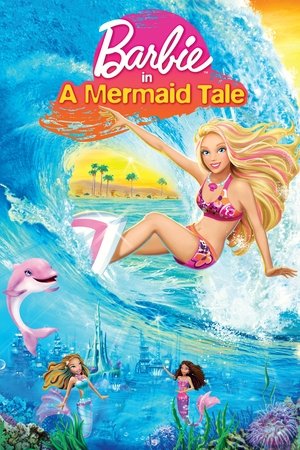
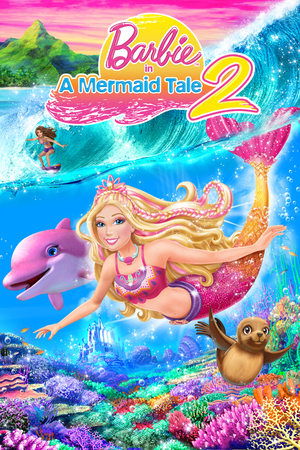
The "Barbie A Mermaid Tale" collection is a small animated film series within the larger Barbie media franchise, centered on the character of Merliah Summers, a surfing teenager who discovers she is half-mermaid. The collection consists of two direct-to-video films: "Barbie in A Mermaid Tale" (2010) and its sequel, "Barbie in A Mermaid Tale 2" (2012). These films follow Merliah's journey of self-discovery as she navigates her dual identity between the human world of Malibu and the underwater kingdom of Oceana, embracing themes of friendship, courage, and environmental stewardship.
The first film introduces Merliah's origin story, as she learns of her mermaid heritage and must save Oceana from an evil queen, while the sequel sees her return to the sea to face a new threat that endangers both worlds. The collection is notable for its contemporary setting and surfing subculture, which distinguishes it from the more traditional fairy-tale settings of many other Barbie films. It emphasizes empowerment through sports and personal agency, with Merliah using her surfing skills and determination to overcome challenges.
As a duology, the "A Mermaid Tale" collection is a self-contained narrative arc that contributed to the broader Barbie film library's exploration of mermaid mythology, a recurring motif in the franchise. While not a sprawling franchise itself, the two films were supported by doll lines and merchandise, reinforcing the Barbie brand's multimedia approach. The collection remains a fondly remembered entry among fans for its vibrant animation, positive messages, and the relatable character of Merliah.