🎬 Barbie: The Princess & the Popstar (2012)
Part of Barbie Franchise
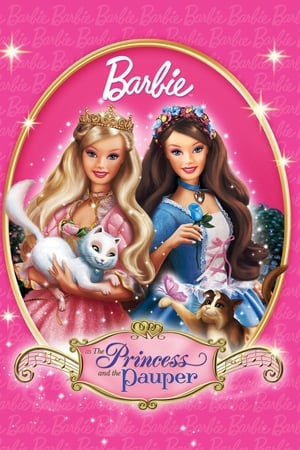
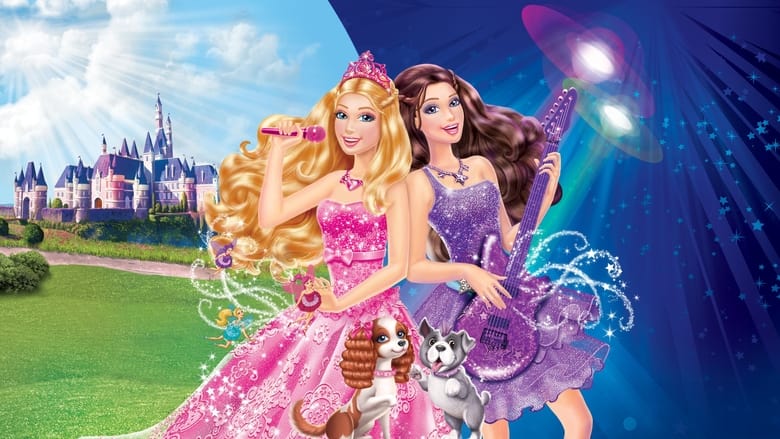
Barbie: The Princess & the Popstar marks the second time the iconic doll franchise turned to Mark Twain's classic for inspiration, following 2004's Barbie as the Princess and the Pauper. This 2012 musical fantasy reimagines the Tudor-era body-swap premise as a glittering modern fairy tale, trading Offal Court for the kingdom of Meribella and swapping a prince and a pauper for a princess and a popstar. The core mechanism remains delightfully intact: two young women, each trapped by the demands of their station, discover they look identical and seize the chance to walk in each other's shoes. Where Twain used the switch to expose the cruelties of class and absolute monarchy, the film softens the social commentary into a breezy story about finding your voice and appreciating the life you have.
The adaptation cleverly translates the novel's identity-swap mechanics through magical objects rather than mere physical resemblance. Princess Tori's enchanted hairbrush and popstar Keira's magic microphone allow them to transform their appearances, though their distinct necklaces remain as the telltale markers of their true selves—a modern echo of the Great Seal that proves Edward's identity in the original. The film also updates the antagonist dynamic: instead of Twain's courtly intrigue and the menacing John Canty, the girls must contend with the scheming manager Seymour Crider and the domineering Duchess Amelia, threats more suited to a world of concert tours and royal anniversaries.
Released directly to DVD in September 2012 before making its television debut on Nickelodeon that November, the film arrived as the twenty-third entry in the long-running Barbie film series. It leans heavily into its musical identity, with original pop songs woven throughout the narrative, a natural fit for a story centered on a popstar struggling with creative burnout. The voice cast features series regular Kelly Sheridan alongside Jennifer Waris and Ashleigh Ball, bringing the dual-role dynamic to life with the earnest charm expected from the franchise. While it doesn't attempt the satirical bite of Twain's original, the film succeeds as a sparkly, age-appropriate introduction to the timeless premise that walking a mile in someone else's heels can change your entire perspective.

The Prince and the Pauper is a novel by Mark Twain, first published in 1881 in Canada and in 1882 in the United States. It was Twain's first foray into historical fiction. The story is set in 1547 and follows two young boys: Edward VI, the Prince of Wales, and Tom Canty, a pauper from Offal Court in London. The two meet by chance and, struck by their uncanny resemblance, swap clothes and lives. Edward experiences the brutal reality of poverty and injustice, while Tom struggles with the bewildering demands of royalty. Through their adventures, Twain offers a sharp social commentary on inequality, the arbitrariness of class, and the nature of power. The novel has been adapted numerous times for stage, screen, and television, and remains one of Twain's most beloved works.
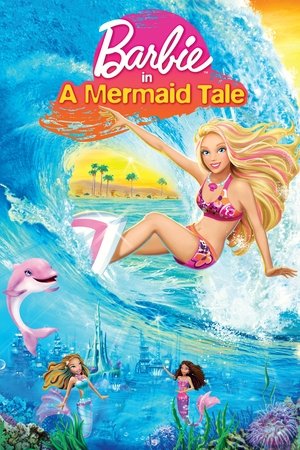
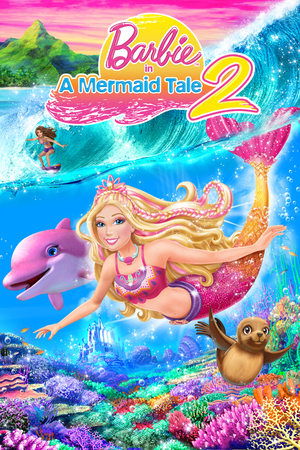
The "Barbie A Mermaid Tale" collection is a small animated film series within the larger Barbie media franchise, centered on the character of Merliah Summers, a surfing teenager who discovers she is half-mermaid. The collection consists of two direct-to-video films: "Barbie in A Mermaid Tale" (2010) and its sequel, "Barbie in A Mermaid Tale 2" (2012). These films follow Merliah's journey of self-discovery as she navigates her dual identity between the human world of Malibu and the underwater kingdom of Oceana, embracing themes of friendship, courage, and environmental stewardship.
The first film introduces Merliah's origin story, as she learns of her mermaid heritage and must save Oceana from an evil queen, while the sequel sees her return to the sea to face a new threat that endangers both worlds. The collection is notable for its contemporary setting and surfing subculture, which distinguishes it from the more traditional fairy-tale settings of many other Barbie films. It emphasizes empowerment through sports and personal agency, with Merliah using her surfing skills and determination to overcome challenges.
As a duology, the "A Mermaid Tale" collection is a self-contained narrative arc that contributed to the broader Barbie film library's exploration of mermaid mythology, a recurring motif in the franchise. While not a sprawling franchise itself, the two films were supported by doll lines and merchandise, reinforcing the Barbie brand's multimedia approach. The collection remains a fondly remembered entry among fans for its vibrant animation, positive messages, and the relatable character of Merliah.