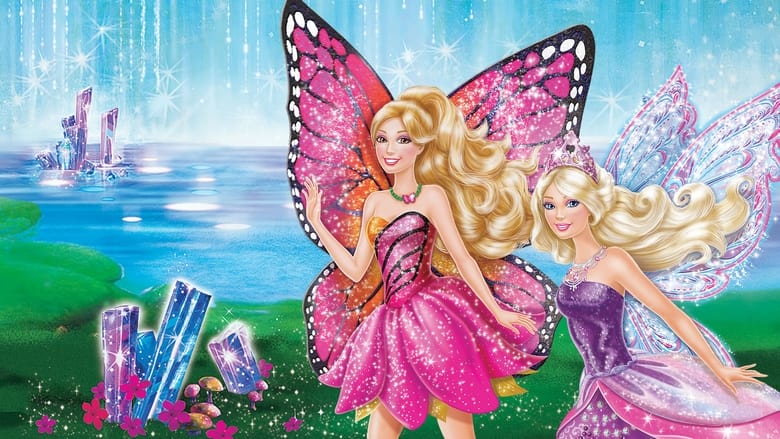
🎬 Barbie Mariposa & the Fairy Princess (2013)
Part of Barbie Franchise
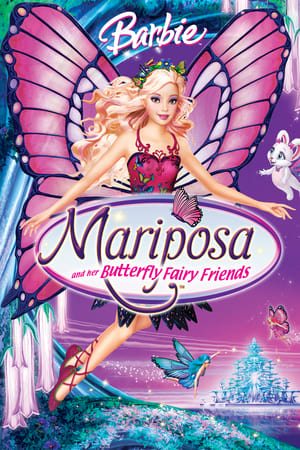
"Barbie Mariposa & the Fairy Princess" is a 2013 direct-to-video animated film from Mattel's long-running Barbie film series, and it serves as a sequel to 2008's "Barbie Mariposa." The film is part of the "Barbie Mariposa Collection" and continues the adventures of Mariposa, a butterfly fairy who first appeared as a supporting character in the "Barbie: Fairytopia" series before headlining her own stories. Like all Barbie animated features, the film is ultimately rooted in the Barbie toy franchise, which was created by Ruth Handler and launched by Mattel in 1959.
In this installment, Mariposa travels to the glittering Crystal Kingdom to make peace with the rival Crystal Fairies. She befriends the shy fairy princess Catania and helps her overcome her fears, ultimately working together to save the kingdom from a dark force. The story emphasizes themes of friendship, courage, and understanding across cultural divides. The film was directed by William Lau and features the voice of Kelly Sheridan as Mariposa, a role she performed across numerous Barbie animated films.
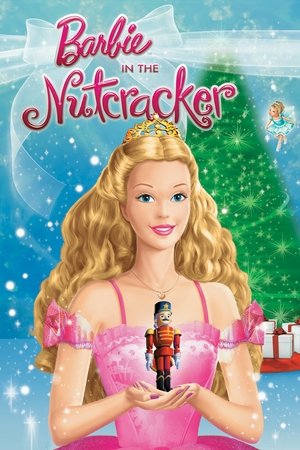
The Barbie film series, which began in 2001 with "Barbie in the Nutcracker," has become a staple of children's entertainment, with dozens of titles released primarily on home video. These films reimagine the Barbie doll in various fantasy and fairy-tale settings, allowing the character to embody different personas while maintaining the brand's core values of empowerment and imagination. "Barbie Mariposa & the Fairy Princess" is a direct continuation of this tradition, expanding the butterfly fairy's world while drawing on the enduring appeal of the Barbie brand that has captivated generations since its debut in 1959.

Barbie is a fashion doll franchise created by American businesswoman Ruth Handler, manufactured by the toy and entertainment company Mattel. Introduced on March 9, 1959, the doll was inspired by the German Bild Lilli doll, which Handler had encountered during a trip to Europe. Barbie was conceived as an adult-bodied doll at a time when most dolls on the market were representations of infants, allowing children to imagine grown-up roles and aspirations.
The Barbie brand quickly expanded beyond the original doll to include a wide range of friends, family members, accessories, playsets, and merchandise. Over the decades, Barbie has taken on hundreds of careers, from astronaut to president, reflecting and sometimes shaping cultural conversations about women's roles in society. The doll has been both celebrated as a symbol of female independence and critiqued for promoting unrealistic body standards.
Since the 1980s, Barbie has grown into a full multimedia franchise encompassing video games, television series, web content, and a long-running series of direct-to-video animated films. These films often place Barbie in fantastical narratives, portraying her as a princess, fairy, mermaid, or other heroic character. The franchise reached a new cultural milestone with the release of a major live-action theatrical film in 2023, cementing Barbie's status as one of the most iconic and enduring toy brands in the world.
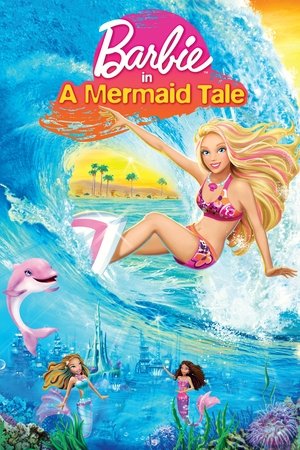
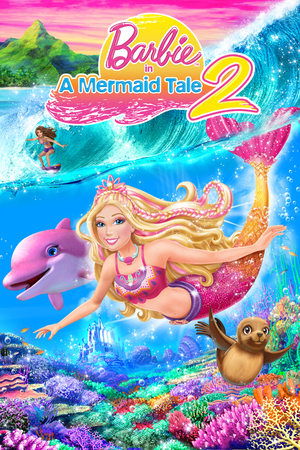
The "Barbie A Mermaid Tale" collection is a small animated film series within the larger Barbie media franchise, centered on the character of Merliah Summers, a surfing teenager who discovers she is half-mermaid. The collection consists of two direct-to-video films: "Barbie in A Mermaid Tale" (2010) and its sequel, "Barbie in A Mermaid Tale 2" (2012). These films follow Merliah's journey of self-discovery as she navigates her dual identity between the human world of Malibu and the underwater kingdom of Oceana, embracing themes of friendship, courage, and environmental stewardship.
The first film introduces Merliah's origin story, as she learns of her mermaid heritage and must save Oceana from an evil queen, while the sequel sees her return to the sea to face a new threat that endangers both worlds. The collection is notable for its contemporary setting and surfing subculture, which distinguishes it from the more traditional fairy-tale settings of many other Barbie films. It emphasizes empowerment through sports and personal agency, with Merliah using her surfing skills and determination to overcome challenges.
As a duology, the "A Mermaid Tale" collection is a self-contained narrative arc that contributed to the broader Barbie film library's exploration of mermaid mythology, a recurring motif in the franchise. While not a sprawling franchise itself, the two films were supported by doll lines and merchandise, reinforcing the Barbie brand's multimedia approach. The collection remains a fondly remembered entry among fans for its vibrant animation, positive messages, and the relatable character of Merliah.
The Barbie Mariposa collection is a duology of animated fantasy films within the broader Barbie media universe, centered on the adventures of a butterfly fairy named Mariposa. The series began in 2008 with *Barbie Mariposa*, which introduced the kind-hearted Mariposa as she embarks on a quest to save her homeland, Flutterfield, from a dark threat. The story emphasizes themes of courage, friendship, and believing in oneself, set against a vibrant, magical world populated by winged fairies and whimsical creatures. Five years later, the narrative continued with *Barbie Mariposa & the Fairy Princess* (2013), which expanded the fairy realm to include the neighboring kingdom of Shimmervale and explored themes of cross-cultural understanding and diplomacy.
Both films are part of Mattel's long-running series of direct-to-video Barbie animated features, which often reimagine the iconic doll in various fantasy roles. The Mariposa duology stands out for its original fairy-tale setting, distinct from the princess or mermaid narratives common in other Barbie films. The animation style and storytelling are tailored for a young audience, delivering gentle lessons about empathy, resilience, and the importance of looking beyond surface differences.
Though limited to two installments, the Barbie Mariposa collection holds a nostalgic place among fans of the early 2000s Barbie film era. It contributed to the larger Barbie brand's strategy of using animated stories to give the doll character depth and aspirational qualities, reinforcing the franchise's message that girls can be anything. The duology remains a charming, self-contained chapter in the expansive library of Barbie entertainment.