🎬 Barbie and the Magic of Pegasus (2005)
Part of Barbie Franchise
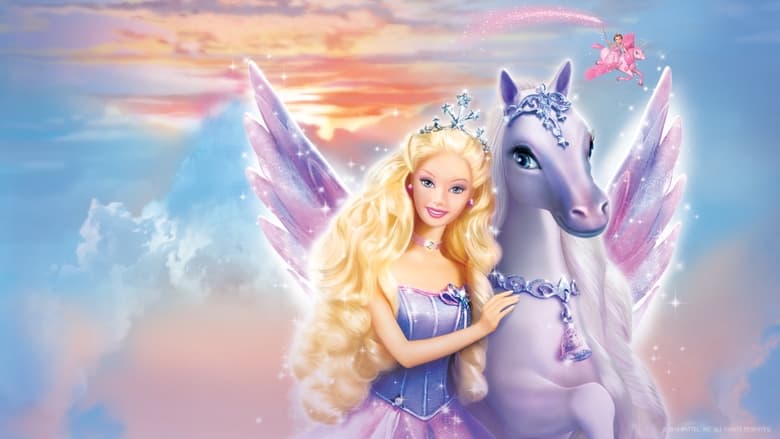
Barbie and the Magic of Pegasus, released in 2005, holds a unique place in the extensive Barbie filmography. It is the sixth entry in the series but marks a significant creative turning point: it is the first film to feature a completely original story not based on any pre-existing fairy tale, ballet, or literary classic. This allowed the filmmakers to craft a new fantasy world from the ground up, introducing Princess Annika, a headstrong and adventurous heroine, and her winged horse companion, Brietta.
The film draws its core identity from the Barbie toy line itself, embodying the brand's long-standing themes of fantasy, transformation, and empowerment. The story follows Annika as she defies her overprotective parents, leading to a magical adventure in the Cloud Kingdom where she must break an evil wizard's spell. The narrative emphasizes courage, self-reliance, and the importance of family, all while showcasing the glamour and fantastical settings that are hallmarks of the Barbie brand. It was also a technical milestone for the series, being the only film animated and released in 3D, which gave its icy caverns and aerial flights a distinct visual style.
A notable piece of trivia is the film's musical contribution from a young Brie Larson, who recorded the song "Hope Has Wings" for the soundtrack, years before her Oscar-winning acting career. The film premiered on Nickelodeon before its home video release, a common strategy for the series at the time. While it launched a new, original princess mythos for Barbie, it remains firmly rooted in the doll's legacy of inspiring imaginative play through storytelling, proving that the character could successfully venture beyond established fairy tales into uncharted narrative territory.

Barbie is a fashion doll manufactured by the American toy company Mattel, Inc. and launched on March 9, 1959. The doll was created by American businesswoman Ruth Handler, who was inspired by the German Bild Lilli doll. Barbie has been an important part of the toy fashion doll market for over six decades and has been the subject of numerous controversies and lawsuits, often involving parodies of the doll and her lifestyle.
Since her debut, Barbie's fictional universe has expanded to include a vast range of dolls, accessories, friends, and family members. The brand has grown far beyond the toy aisle, encompassing a massive media franchise that includes animated films, television series, web series, video games, and books. Barbie is often portrayed in these stories in a wide variety of careers and fantasy roles, from a princess and a mermaid to a rock star and an astronaut.
The Barbie brand is a global cultural icon, symbolizing both the aspirations and the controversies surrounding modern femininity and consumerism. The doll's continued evolution reflects changing societal norms, and the character's many film and television adventures have introduced her to new generations of fans, making her a perennial figure in children's entertainment.
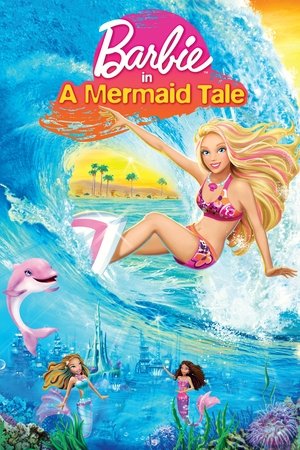
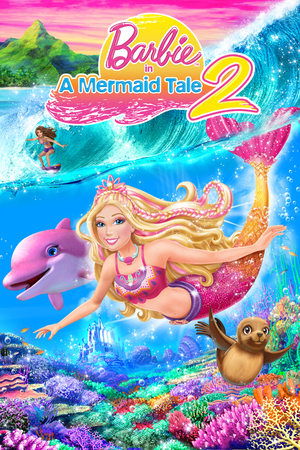
The "Barbie A Mermaid Tale" collection is a small animated film series within the larger Barbie media franchise, centered on the character of Merliah Summers, a surfing teenager who discovers she is half-mermaid. The collection consists of two direct-to-video films: "Barbie in A Mermaid Tale" (2010) and its sequel, "Barbie in A Mermaid Tale 2" (2012). These films follow Merliah's journey of self-discovery as she navigates her dual identity between the human world of Malibu and the underwater kingdom of Oceana, embracing themes of friendship, courage, and environmental stewardship.
The first film introduces Merliah's origin story, as she learns of her mermaid heritage and must save Oceana from an evil queen, while the sequel sees her return to the sea to face a new threat that endangers both worlds. The collection is notable for its contemporary setting and surfing subculture, which distinguishes it from the more traditional fairy-tale settings of many other Barbie films. It emphasizes empowerment through sports and personal agency, with Merliah using her surfing skills and determination to overcome challenges.
As a duology, the "A Mermaid Tale" collection is a self-contained narrative arc that contributed to the broader Barbie film library's exploration of mermaid mythology, a recurring motif in the franchise. While not a sprawling franchise itself, the two films were supported by doll lines and merchandise, reinforcing the Barbie brand's multimedia approach. The collection remains a fondly remembered entry among fans for its vibrant animation, positive messages, and the relatable character of Merliah.