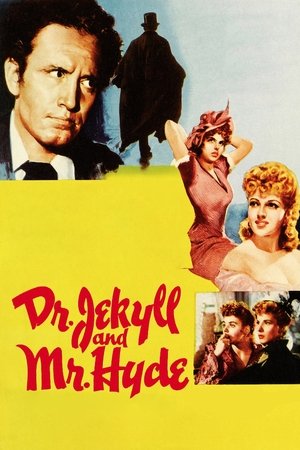
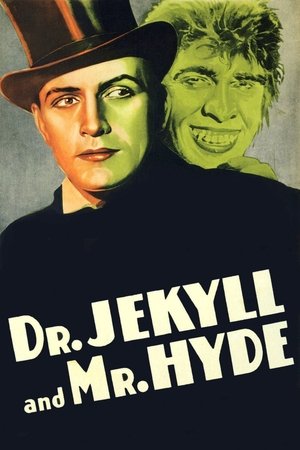
Strange Case of Dr. Jekyll and Mr. Hyde is an 1886 Gothic horror novella by Scottish author Robert Louis Stevenson. It follows Gabriel John Utterson, a London-based legal practitioner who investigates a series of strange occurrences between his old friend, the respected Dr. Henry Jekyll, and a murderous criminal named Edward Hyde. Through a series of discoveries, Utterson learns that Jekyll and Hyde are, in fact, the same person — the result of a scientific experiment that allows Jekyll to transform into a separate personality embodying his darker impulses.
The story originated from Stevenson's long-standing fascination with the duality of human nature, inspired in part by the double life of Edinburgh deacon William Brodie, as well as the murder trial of Eugène Chantrelle, a French teacher who secretly poisoned his wife. Written during a six-day period of intense creative activity (though later rewritten), the novella quickly became a sensation upon publication.
Strange Case of Dr. Jekyll and Mr. Hyde is now one of the most famous works of English literature and a defining book of the Gothic horror genre. Its central concept of a split personality has had an enormous influence on popular culture, with the phrase “Jekyll and Hyde” entering the vernacular to describe someone with an outwardly good but shockingly evil alter ego.