🎬 Harry Potter and the Deathly Hallows: Part 2 (2011)
Part of Harry Potter
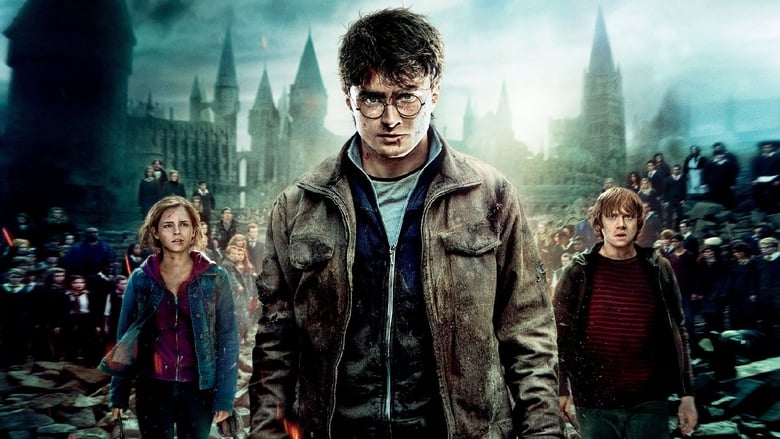
Harry Potter and the Deathly Hallows – Part 2 is the cinematic grand finale that J.K. Rowling's global phenomenon deserved. Directed by David Yates and written by Steve Kloves, this 2011 film splits the final novel into two parts, allowing the story's epic conclusion to breathe. Picking up immediately after Part 1, the film plunges Harry (Daniel Radcliffe), Ron (Rupert Grint), and Hermione (Emma Watson) into the heart of Voldemort's power as they hunt down the remaining Horcruxes. The narrative jettisons much of the novel's meandering journey for a relentless, action-packed race to Hogwarts, where the Battle of Hogwarts unfolds in a spectacular, emotionally charged siege. Key moments from the book are reimagined for the screen: the resurrection of the Hogwarts defenders, the death of Fred Weasley, and the final confrontation in the Great Hall are all given a visceral, cinematic weight that the page could only suggest.
The film's greatest triumph is its handling of Severus Snape's backstory. Alan Rickman delivers a masterclass in restrained tragedy as the film's most famous memory sequence reveals Snape's lifelong love for Lily Potter and his double-agent role. Where the novel provides pages of exposition, the film condenses it into a single, devastating montage, making the revelation feel both intimate and operatic. The epilogue, set nineteen years later, was a divisive choice among fans and critics alike. Some found the aging makeup unconvincing and the scene too saccharine, but it provided a necessary, bittersweet coda that honored the source material's emotional core. The film was also the first in the series to be released in 3D, a post-conversion process that enhanced the scale of the final battle without overshadowing the character-driven drama.
Critically, Part 2 was hailed as a near-perfect conclusion to a decade-long franchise. It grossed over $1.3 billion worldwide, becoming the highest-grossing Harry Potter film and the third-highest-grossing film at the time. The National Board of Review named it one of the top ten films of 2011, and it earned three Academy Award nominations for Best Art Direction, Best Visual Effects, and Best Makeup and Hairstyling. The film's legacy is not just in its box office success but in its ability to satisfy a generation of readers who had grown up with the characters. It transformed the novel's sprawling, sometimes melancholic final act into a cathartic, crowd-pleasing spectacle that honored the book's themes of sacrifice, redemption, and the power of love. For fans, it was the end of an era, but for cinema, it remains a benchmark for how to adapt a beloved literary series with fidelity and flair.
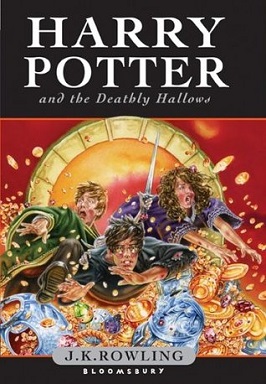
Harry Potter and the Deathly Hallows is a fantasy novel by British author J. K. Rowling, released on 21 July 2007. It is the seventh and final installment in the globally celebrated Harry Potter series, which began a decade earlier with Harry Potter and the Philosopher's Stone. The book was published simultaneously in the United Kingdom by Bloomsbury, in the United States by Scholastic, and in Canada by Raincoast Books, arriving at the height of a cultural phenomenon that had already captivated millions of readers worldwide.
The novel follows seventeen-year-old wizard Harry Potter as he abandons his final year at Hogwarts School of Witchcraft and Wizardry to fulfill a dangerous mission left to him by his deceased headmaster, Albus Dumbledore. Accompanied by his best friends Ron Weasley and Hermione Granger, Harry embarks on a quest to locate and destroy Lord Voldemort's remaining Horcruxes — objects containing fragments of the Dark Lord's soul that render him immortal. The story expands the wizarding world beyond the familiar halls of Hogwarts, taking the trio across Britain as they unravel the mystery of the mythical Deathly Hallows: three legendary magical objects said to make their possessor the Master of Death.
Deathly Hallows shattered publishing records upon its release, becoming the fastest-selling book in history at the time. It sold 8.3 million copies in the United States and 2.65 million in the United Kingdom within its first 24 hours, earning a Guinness World Record. The novel received widespread critical acclaim for its darker, more mature tone, its emotional depth, and its satisfying resolution to a decade-long narrative arc. The American Library Association named it a "Best Book for Young Adults," and it won the 2008 Colorado Blue Spruce Book Award.
The book's themes of mortality, sacrifice, and the corrupting nature of power resonated deeply with readers who had grown up alongside the characters. Rowling wove together plot threads seeded throughout the earlier novels, delivering revelations about beloved characters including Severus Snape, whose true loyalties became one of the most discussed twists in modern literary history. The epilogue, set nineteen years after the main events, provided a poignant coda that divided some readers but ultimately cemented the series' legacy as a defining work of millennial children's literature.
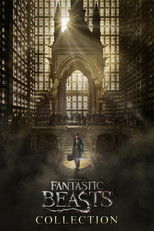
The Fantastic Beasts film series is a fantasy collection set within the broader Wizarding World, conceived by author J. K. Rowling as a prequel and spin-off to the Harry Potter saga. Inspired by the fictional textbook of the same name mentioned in the original novels, the series shifts the focus to magizoologist Newt Scamander and expands the magical universe to new eras and continents, primarily 1920s New York and Paris. The narrative explores the rise of the dark wizard Gellert Grindelwald and the early struggles of a young Albus Dumbledore, weaving a complex tale of political intrigue, magical creatures, and the fight against prejudice.
At its core, the series examines themes of power, identity, and the moral choices that define individuals, echoing the deeper conflicts of the Harry Potter stories while standing on its own narrative ground. It delves into the nature of obscurial magic, the tensions between the magical and non-magical worlds, and the personal costs of loyalty and betrayal. The films are characterized by lavish period production design, a menagerie of imaginative creatures, and a tone that matures alongside its central conflict.
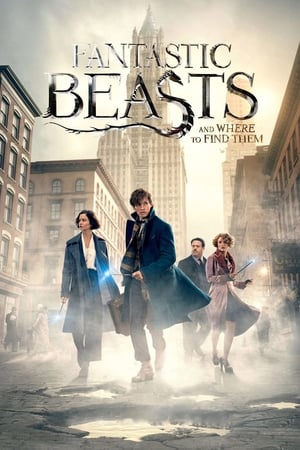
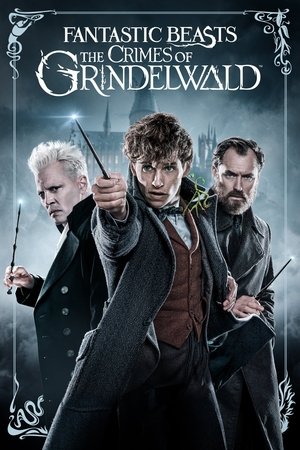
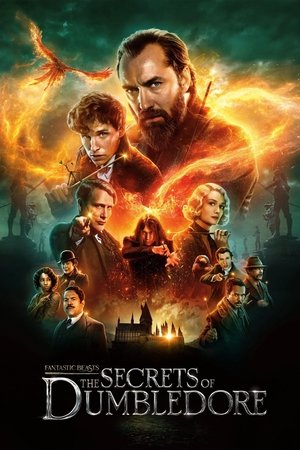
Originally planned as a five-film arc, the series evolved into a trilogy with the release of Fantastic Beasts and Where to Find Them (2016), Fantastic Beasts: The Crimes of Grindelwald (2018), and Fantastic Beasts: The Secrets of Dumbledore (2022). While the first entry was widely praised for its charm and world-building, subsequent installments received more mixed responses, though they continued to attract a dedicated fanbase and contributed significantly to the lore of the Wizarding World. The series is notable for being the first cinematic extension of Rowling’s universe not directly adapted from a novel, with screenplays written by Rowling herself.
The Fantastic Beasts collection holds a unique place in modern fantasy cinema as an ambitious attempt to deepen and globalize an already beloved mythology. It introduced a new generation of characters, including Newt, Tina and Queenie Goldstein, and Jacob Kowalski, while recontextualizing familiar figures like Dumbledore. Despite its truncated run, the series expanded the thematic and geographical scope of the Wizarding World, leaving a legacy of visual creativity and narrative ambition that continues to be explored in other media and theme park experiences.