🎬 Harry Potter and the Prisoner of Azkaban (2004)
Part of Harry Potter
When Alfonso Cuarón took the reins for the third Harry Potter installment, the franchise underwent a dramatic tonal and aesthetic shift that still resonates with fans decades later. Gone were the warm, golden hues and strictly faithful page-to-screen translations of Chris Columbus's earlier films. Cuarón, known for his gritty realism in Y Tu Mamá También, infused Hogwarts with a moody, gothic atmosphere, using a darker color palette and a more dynamic, roaming camera. This visual overhaul was not merely stylistic; it mirrored the story's descent into more mature themes of identity, fear, and the haunting nature of the past. The director famously asked the three young leads to write essays about their characters from a first-person perspective, a method that drew out more nuanced, naturalistic performances and grounded the magical world in genuine adolescent emotion.
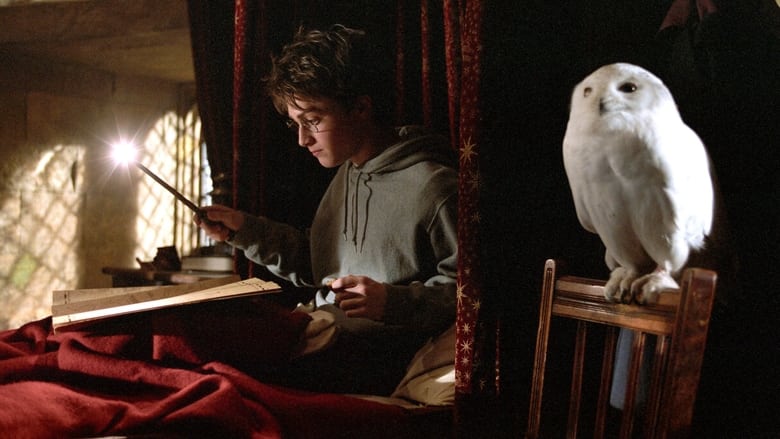
The adaptation made bold structural changes to the source material, prioritizing emotional and thematic coherence over literal plot transcription. The film opens not with the Dursleys but with Harry practicing Lumos under his bedsheets, immediately establishing his restlessness and isolation. The intricate Marauder's Map subplot and the backstory of Harry's father and his friends are heavily condensed, with the significant revelation that James Potter was an Animagus entirely omitted. Instead, Cuarón leans into visual motifs—like the recurring image of the Whomping Willow marking the passage of seasons—to convey the relentless march of time, a central theme that culminates in the breathtaking Time-Turner sequence. The climax is a masterclass in cross-cutting, as Harry and Hermione's frantic race against the clock is interwoven with past events, creating a thrillingly coherent loop that many argue improves upon the book's more exposition-heavy resolution.
Crucially, the film marked the debut of Michael Gambon as Albus Dumbledore, following the death of Richard Harris. Gambon's portrayal was immediately more energetic and eccentric, a departure that divided some fans but undeniably fit the more kinetic energy of Cuarón's vision. Newcomers Gary Oldman and David Thewlis brought a ragged, desperate edge to Sirius Black and Remus Lupin, respectively, while the introduction of the Dementors as floating, soul-sucking wraiths provided some of the series' most genuinely terrifying imagery. John Williams's score evolved too, incorporating medieval instruments and jazz-inflected cues like "The Knight Bus" that perfectly captured the film's blend of whimsy and encroaching darkness.
Upon release, Prisoner of Azkaban was a critical darling, with many reviewers hailing it as the first Harry Potter film to stand on its own as a work of cinematic art, not just a faithful adaptation. However, it was the lowest-grossing film in the series at the time, a fact often attributed to its more challenging, less family-friendly tone. Over time, its reputation has only grown, with frequent reappraisals naming it the best-directed and most thematically rich entry in the entire saga. It proved that a blockbuster franchise could take genuine artistic risks, trading strict fidelity for a singular directorial vision that captured the soul of J.K. Rowling's novel even as it reshaped its body.
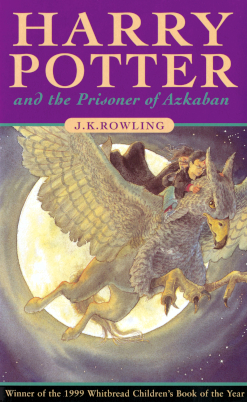
Harry Potter and the Prisoner of Azkaban is the third novel in the Harry Potter series, written by British author J. K. Rowling. First published in 1999 by Bloomsbury in the United Kingdom and Scholastic in the United States, it follows the young wizard Harry Potter, his friends Ron Weasley and Hermione Granger, and their adventures during Harry's third year at Hogwarts School of Witchcraft and Wizardry. The story introduces darker themes as Harry confronts the escaped prisoner Sirius Black, believed to be responsible for betraying his parents, while uncovering secrets about his past amid encounters with terrifying Dementors and magical creatures like the Hippogriff Buckbeak.
Rowling's narrative blends fantasy, mystery, and coming-of-age elements, exploring friendship, loyalty, and the blurred lines between truth and perception. The book expands the wizarding world with new classes like Divination and Care of Magical Creatures, and introduces time travel via the Time-Turner. It became an instant bestseller, winning accolades such as the 1999 Whitbread Children's Book Award, and solidified the series' global phenomenon status, captivating millions with its intricate plotting and emotional depth.
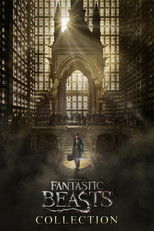
The Fantastic Beasts film series is a fantasy collection set within the broader Wizarding World, conceived by author J. K. Rowling as a prequel and spin-off to the Harry Potter saga. Inspired by the fictional textbook of the same name mentioned in the original novels, the series shifts the focus to magizoologist Newt Scamander and expands the magical universe to new eras and continents, primarily 1920s New York and Paris. The narrative explores the rise of the dark wizard Gellert Grindelwald and the early struggles of a young Albus Dumbledore, weaving a complex tale of political intrigue, magical creatures, and the fight against prejudice.
At its core, the series examines themes of power, identity, and the moral choices that define individuals, echoing the deeper conflicts of the Harry Potter stories while standing on its own narrative ground. It delves into the nature of obscurial magic, the tensions between the magical and non-magical worlds, and the personal costs of loyalty and betrayal. The films are characterized by lavish period production design, a menagerie of imaginative creatures, and a tone that matures alongside its central conflict.
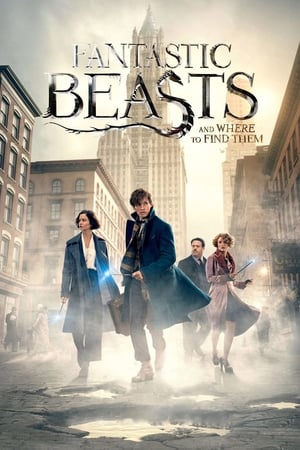
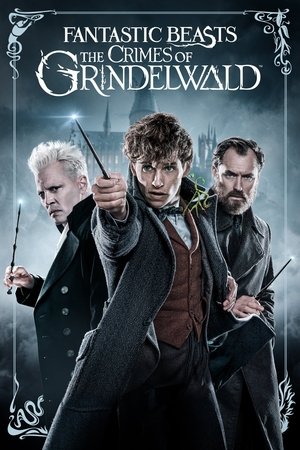
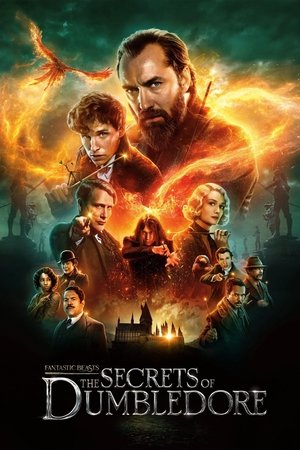
Originally planned as a five-film arc, the series evolved into a trilogy with the release of Fantastic Beasts and Where to Find Them (2016), Fantastic Beasts: The Crimes of Grindelwald (2018), and Fantastic Beasts: The Secrets of Dumbledore (2022). While the first entry was widely praised for its charm and world-building, subsequent installments received more mixed responses, though they continued to attract a dedicated fanbase and contributed significantly to the lore of the Wizarding World. The series is notable for being the first cinematic extension of Rowling’s universe not directly adapted from a novel, with screenplays written by Rowling herself.
The Fantastic Beasts collection holds a unique place in modern fantasy cinema as an ambitious attempt to deepen and globalize an already beloved mythology. It introduced a new generation of characters, including Newt, Tina and Queenie Goldstein, and Jacob Kowalski, while recontextualizing familiar figures like Dumbledore. Despite its truncated run, the series expanded the thematic and geographical scope of the Wizarding World, leaving a legacy of visual creativity and narrative ambition that continues to be explored in other media and theme park experiences.