🎬 Harry Potter and the Goblet of Fire (2005)
Part of Harry Potter
Harry Potter and the Goblet of Fire is the 2005 film adaptation of J. K. Rowling's 2000 novel of the same name, and the fourth installment in the blockbuster Harry Potter film series. Directed by Mike Newell, the only British director to helm a film in the series, it follows Harry's unexpected and dangerous participation in the Triwizard Tournament, a magical competition between Hogwarts and two visiting wizarding schools. The film stars Daniel Radcliffe, Rupert Grint, and Emma Watson, and is notable for its darker tone and the climactic return of Lord Voldemort, portrayed by Ralph Fiennes in his first full appearance in the role.
Adapting the longest book in the series up to that point into a single film required significant cuts and changes. Entire subplots, such as the house-elf liberation movement led by Hermione (SPEW), were removed, and the Quidditch World Cup sequence was heavily truncated, showing only the build-up and the post-match attack by Death Eaters. The film instead focuses tightly on the three Triwizard tasks, the Yule Ball, and the central mystery of who entered Harry's name into the Goblet of Fire. The dragon chase during the first task was significantly expanded for the screen, turning a brief book sequence into a thrilling aerial pursuit around Hogwarts.
Released in November 2005, the film was a massive commercial success, becoming the highest-grossing film of the year worldwide and earning nearly $900 million at the box office. It received positive reviews from critics, who praised the performances of the young leads and the film's emotional depth, and was nominated for an Academy Award for Best Art Direction. The film also marked a visual shift for the series, with a moodier color palette and more mature themes, reflecting the characters' transition into adolescence and the growing threat of Voldemort's return.

Harry Potter and the Goblet of Fire is a fantasy novel by British author J. K. Rowling, first published on 8 July 2000 by Bloomsbury in the United Kingdom and Scholastic in the United States. It is the fourth installment in the seven-book Harry Potter series and marks a significant turning point in the saga, as it is considerably longer and darker than its predecessors. The novel follows Harry Potter during his fourth year at Hogwarts School of Witchcraft and Wizardry, where he is mysteriously entered into the dangerous Triwizard Tournament, a magical competition between three wizarding schools.
The book was notable for being the first in the series to be released simultaneously in both the UK and the US, reflecting the franchise's massive global popularity by that point. It won the 2001 Hugo Award for Best Novel, the only Harry Potter book to receive that honor, and was widely praised for its intricate plotting, character development, and the shocking climax that sees the return of Lord Voldemort. The novel explores themes of growing up, loyalty, prejudice, and the loss of innocence.
With its blend of school drama, international wizarding culture, and a gripping murder mystery, Goblet of Fire is often cited by fans as one of the most beloved entries in the series. It introduced key elements like the Unforgivable Curses, the Pensieve, and the concept of magical contracts, while also expanding the wizarding world beyond Hogwarts for the first time.

The Fantastic Beasts film series is a fantasy collection set within the broader Wizarding World, conceived by author J. K. Rowling as a prequel and spin-off to the Harry Potter saga. Inspired by the fictional textbook of the same name mentioned in the original novels, the series shifts the focus to magizoologist Newt Scamander and expands the magical universe to new eras and continents, primarily 1920s New York and Paris. The narrative explores the rise of the dark wizard Gellert Grindelwald and the early struggles of a young Albus Dumbledore, weaving a complex tale of political intrigue, magical creatures, and the fight against prejudice.
At its core, the series examines themes of power, identity, and the moral choices that define individuals, echoing the deeper conflicts of the Harry Potter stories while standing on its own narrative ground. It delves into the nature of obscurial magic, the tensions between the magical and non-magical worlds, and the personal costs of loyalty and betrayal. The films are characterized by lavish period production design, a menagerie of imaginative creatures, and a tone that matures alongside its central conflict.
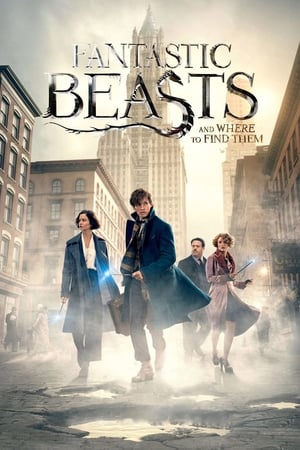
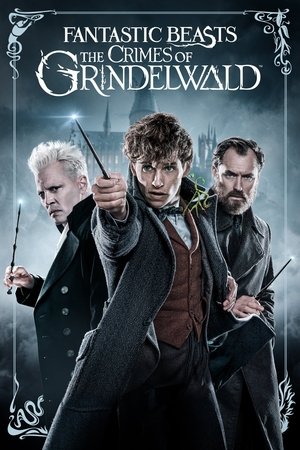
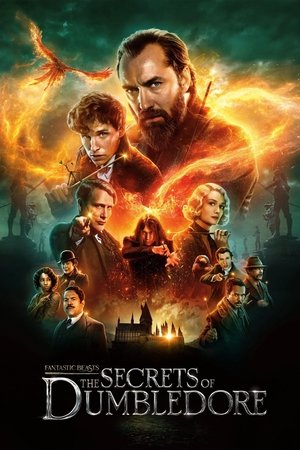
Originally planned as a five-film arc, the series evolved into a trilogy with the release of Fantastic Beasts and Where to Find Them (2016), Fantastic Beasts: The Crimes of Grindelwald (2018), and Fantastic Beasts: The Secrets of Dumbledore (2022). While the first entry was widely praised for its charm and world-building, subsequent installments received more mixed responses, though they continued to attract a dedicated fanbase and contributed significantly to the lore of the Wizarding World. The series is notable for being the first cinematic extension of Rowling’s universe not directly adapted from a novel, with screenplays written by Rowling herself.
The Fantastic Beasts collection holds a unique place in modern fantasy cinema as an ambitious attempt to deepen and globalize an already beloved mythology. It introduced a new generation of characters, including Newt, Tina and Queenie Goldstein, and Jacob Kowalski, while recontextualizing familiar figures like Dumbledore. Despite its truncated run, the series expanded the thematic and geographical scope of the Wizarding World, leaving a legacy of visual creativity and narrative ambition that continues to be explored in other media and theme park experiences.