🎬 Harry Potter and the Order of the Phoenix (2007)
Part of Harry Potter
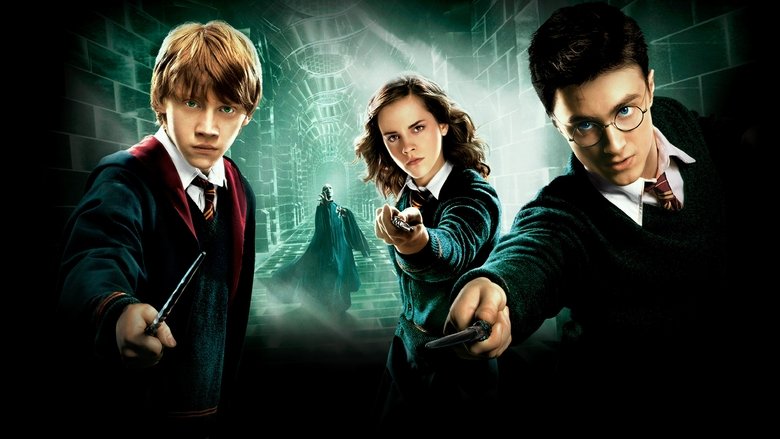
Harry Potter and the Order of the Phoenix, the 2007 film directed by David Yates, adapts J. K. Rowling's sprawling 2003 novel of the same name—the longest book in the series—into a tightly paced fantasy thriller. Screenwriter Michael Goldenberg faced the daunting task of condensing over 800 pages into a single feature, resulting in the shortest film of the franchise at the time. The movie captures the novel's core: Harry's isolation, the Ministry of Magic's denial of Voldemort's return, and the formation of Dumbledore's Army, a secret student group learning defensive magic under Harry's leadership.
The film is particularly remembered for Imelda Staunton's chilling performance as Dolores Umbridge, the Ministry-appointed Defense Against the Dark Arts teacher whose sugary demeanor masks a sadistic authoritarian streak. Her pink-cardigan tyranny became an iconic representation of bureaucratic evil. The climactic battle in the Department of Mysteries showcases some of the series' most impressive visual effects, including the duel between Dumbledore and Voldemort, which was praised for its spectacular, wizardry-at-its-peak choreography.
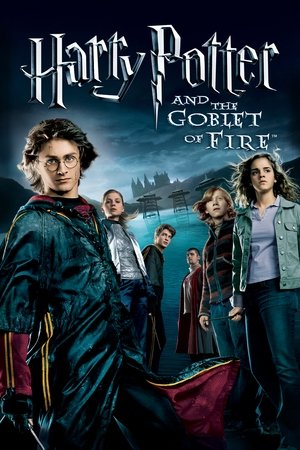
As the fifth installment in the Harry Potter film series and a direct sequel to Harry Potter and the Goblet of Fire, the movie marked a tonal shift toward the darker, more politically charged atmosphere of the later books. It was the first film in the series to be released simultaneously in IMAX and traditional theaters, and it grossed over $940 million worldwide, making it one of the highest-grossing films of 2007. The adaptation, while necessarily streamlined, successfully translated the book's themes of resistance and the loss of innocence to the screen.

Harry Potter and the Order of the Phoenix is a fantasy novel by British author J. K. Rowling, first published on 21 June 2003. It is the fifth and longest installment in the globally celebrated Harry Potter series, which follows the life and adventures of a young wizard, Harry Potter. The novel was released simultaneously in the United Kingdom by Bloomsbury, in the United States by Scholastic, and in Canada by Raincoast, and it achieved record-breaking sales, moving five million copies within its first 24 hours of publication.
The story chronicles Harry's tumultuous fifth year at Hogwarts School of Witchcraft and Wizardry. He faces widespread disbelief from the wizarding community and the Ministry of Magic regarding the return of the dark wizard Lord Voldemort. As the Ministry tightens its grip on Hogwarts through the appointment of the sadistic Dolores Umbridge, Harry secretly trains a group of fellow students, Dumbledore's Army, to defend themselves against the dark arts. The narrative explores themes of isolation, rebellion against corrupt authority, and the psychological toll of impending war.
Rowling's novel was praised for its darker, more complex tone and its exploration of adolescent angst and political allegory. It won several accolades, including the American Library Association Best Book Award for Young Adults in 2003. The book's immense popularity solidified the Harry Potter series as a defining literary phenomenon of the early 21st century, bridging generations of readers and setting the stage for the saga's climactic final chapters.
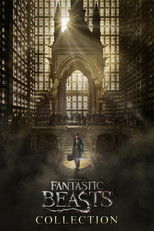
The Fantastic Beasts film series is a fantasy collection set within the broader Wizarding World, conceived by author J. K. Rowling as a prequel and spin-off to the Harry Potter saga. Inspired by the fictional textbook of the same name mentioned in the original novels, the series shifts the focus to magizoologist Newt Scamander and expands the magical universe to new eras and continents, primarily 1920s New York and Paris. The narrative explores the rise of the dark wizard Gellert Grindelwald and the early struggles of a young Albus Dumbledore, weaving a complex tale of political intrigue, magical creatures, and the fight against prejudice.
At its core, the series examines themes of power, identity, and the moral choices that define individuals, echoing the deeper conflicts of the Harry Potter stories while standing on its own narrative ground. It delves into the nature of obscurial magic, the tensions between the magical and non-magical worlds, and the personal costs of loyalty and betrayal. The films are characterized by lavish period production design, a menagerie of imaginative creatures, and a tone that matures alongside its central conflict.
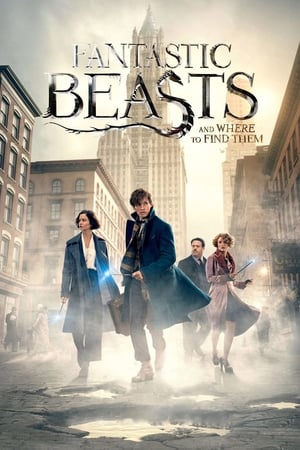
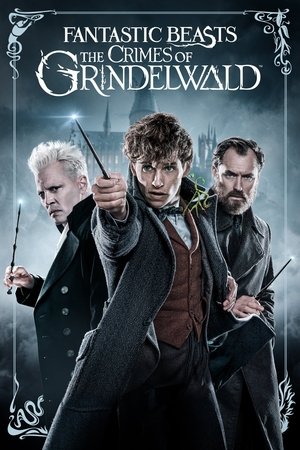
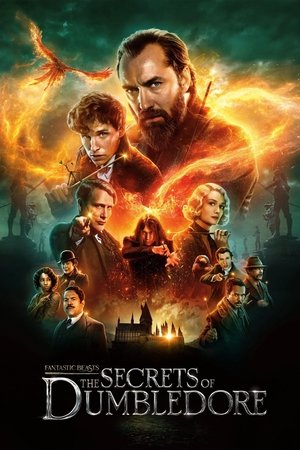
Originally planned as a five-film arc, the series evolved into a trilogy with the release of Fantastic Beasts and Where to Find Them (2016), Fantastic Beasts: The Crimes of Grindelwald (2018), and Fantastic Beasts: The Secrets of Dumbledore (2022). While the first entry was widely praised for its charm and world-building, subsequent installments received more mixed responses, though they continued to attract a dedicated fanbase and contributed significantly to the lore of the Wizarding World. The series is notable for being the first cinematic extension of Rowling’s universe not directly adapted from a novel, with screenplays written by Rowling herself.
The Fantastic Beasts collection holds a unique place in modern fantasy cinema as an ambitious attempt to deepen and globalize an already beloved mythology. It introduced a new generation of characters, including Newt, Tina and Queenie Goldstein, and Jacob Kowalski, while recontextualizing familiar figures like Dumbledore. Despite its truncated run, the series expanded the thematic and geographical scope of the Wizarding World, leaving a legacy of visual creativity and narrative ambition that continues to be explored in other media and theme park experiences.