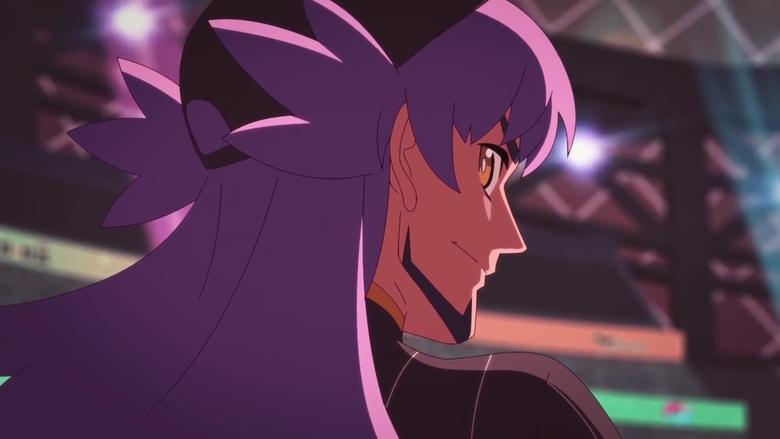
📺 Pokémon: Twilight Wings (2020)
Part of Pokémon
Pokémon: Twilight Wings is a 2020 Japanese original net animation (ONA) series produced by Studio Colorido and released on YouTube by The Pokémon Company. Set in the Galar region, the series is inspired by the Pokémon Sword and Shield video games and serves as a prequel to their events, focusing on the daily lives and struggles of various characters, including a young boy named John who dreams of becoming a Pokémon trainer, a hospital volunteer, and a shy girl who works at a Pokémon nursery. The series consists of eight episodes, with the first seven released monthly from January to August 2020, and a special episode based on the games' downloadable content premiering in November 2020.
The animation is notable for its watercolor-inspired art style and gentle, character-driven storytelling, a departure from the action-oriented main Pokémon anime series. It features voice acting from both Japanese and English casts, with cameos by familiar Galar region characters like Gym Leader Bea and Champion Leon. The series was well-received for its emotional depth and beautiful visuals, though it sparked some controversy when Pokémon species that were cut from the Sword and Shield games appeared in the fourth episode, leading to an official apology from The Pokémon Company.
Unlike the long-running Pokémon television series, Twilight Wings is a standalone project that expands the lore of the Galar region without following the journey of Ash Ketchum. Its episodes are short, each around 5 to 10 minutes, and they weave together a tapestry of interconnected stories that culminate in a heartwarming finale. The special episode, 'The Gathering of Stars', shifts focus to the new areas introduced in the Expansion Pass, offering fans a glimpse of the Isle of Armor and the Crown Tundra.

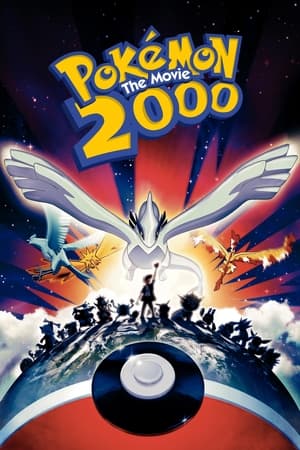
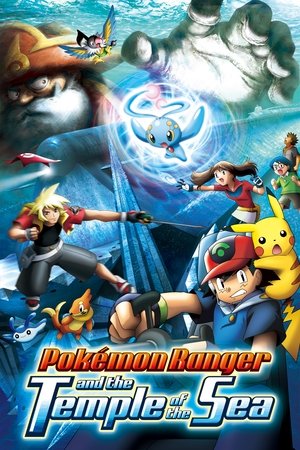
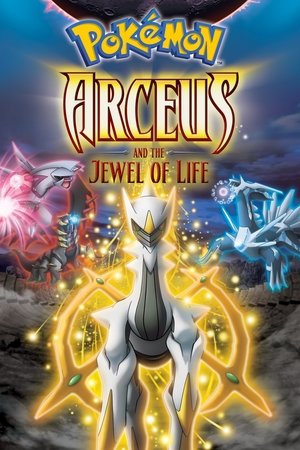
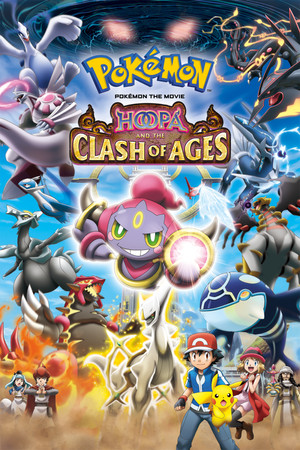
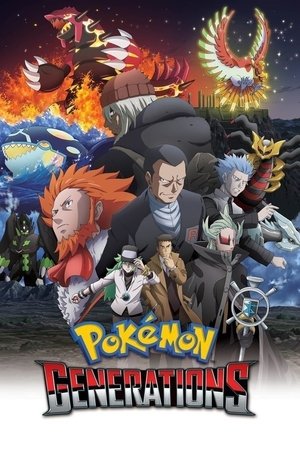
The Pokémon film collection is a long-running series of animated features that extends the adventures of the globally beloved Pokémon anime. Originating alongside the television series in the late 1990s, the films initially served as companion pieces to the ongoing narrative, following Ash Ketchum and his Pikachu as they encountered rare and legendary Pokémon in cinematic, self-contained stories. The early entries, beginning with 'Pokémon: The First Movie' in 1998, captured the peak of the late-90s Pokémon phenomenon and became a staple of the franchise's multimedia expansion, often distributed internationally by Warner Bros. during the anime's original broadcast run.
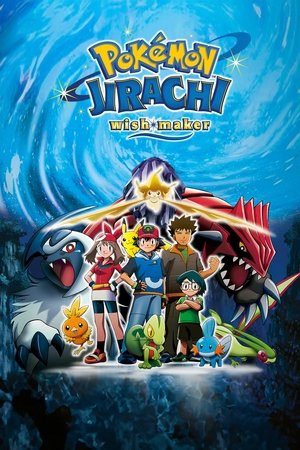
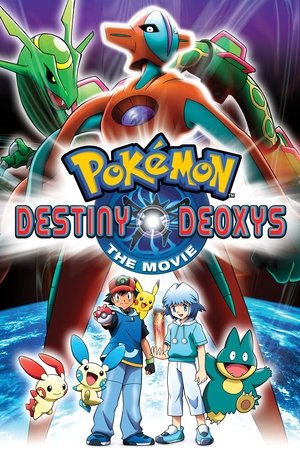
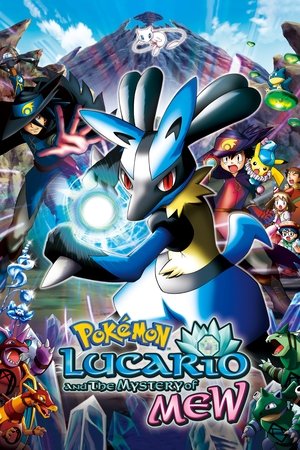
Over the decades, the collection evolved in tandem with the video game generations, with each film typically showcasing the mythical or legendary Pokémon introduced in the corresponding game release. This structure allowed the movies to function as both standalone adventures and promotional showcases for new creatures, while maintaining a consistent focus on themes of friendship, coexistence between humans and Pokémon, and the wonder of discovery. As the anime's continuity progressed through regions like Johto, Hoenn, Sinnoh, and beyond, the films mirrored these settings and introduced a rotating cast of supporting characters alongside the perennial heroes.
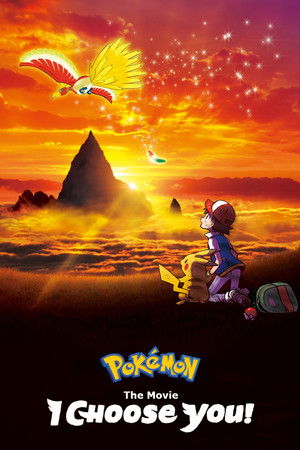
A significant shift occurred in the late 2010s when the film series began to depart from the main anime timeline. Starting with 'Pokémon the Movie: I Choose You!' in 2017, the collection embraced a reboot approach, retelling and reimagining Ash's origin story in an alternate continuity. This creative direction continued with subsequent entries, including a CGI remake of the first film, allowing the collection to explore nostalgic narratives while appealing to both new audiences and longtime fans. This period marked a transition from being direct extensions of the TV series to more experimental, standalone cinematic experiences.
The Pokémon film collection stands as a testament to the franchise's enduring cross-media legacy. With over two dozen theatrical releases spanning more than two decades, it has consistently delivered family-friendly adventures that reinforce the core values of the Pokémon world. While individual entries vary in critical reception, the collection as a whole remains a culturally significant component of one of the most successful entertainment properties in history, offering a cinematic entry point for each new generation of trainers.