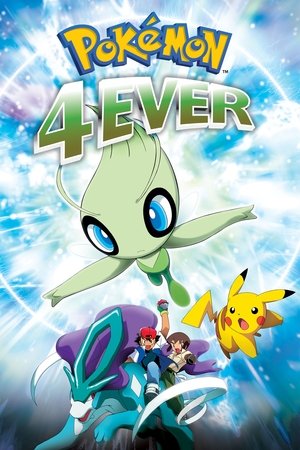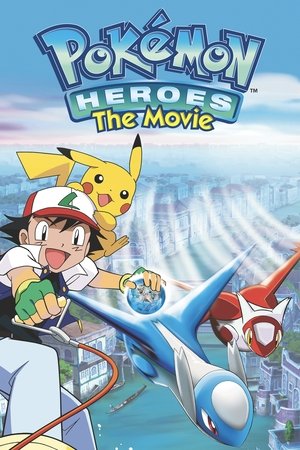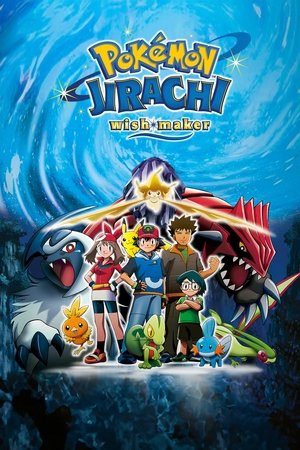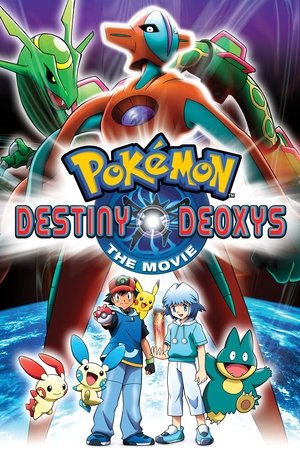
🎬 Pokémon 3: The Movie (2000)
Part of Pokémon
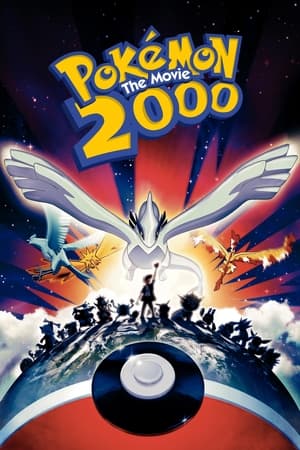
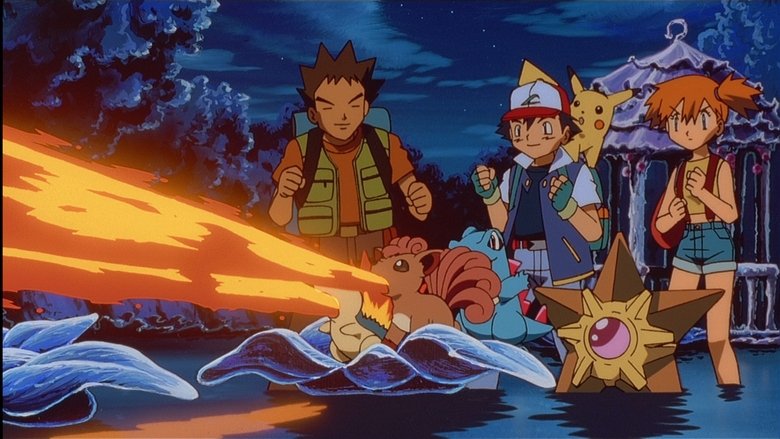
Pokémon 3: The Movie, released in Japan in 2000, is the third theatrical feature in the Pokémon film series and is based on the groundbreaking Pokémon video games created by Satoshi Tajiri and Game Freak. The original games, Pocket Monsters Red and Green, debuted on the Game Boy in 1996 and introduced players to a world where trainers capture and befriend creatures called Pokémon. The film follows Ash Ketchum and his friends as they journey to rescue young Molly Hale, whose grief over her missing parents has been manipulated by the reality-warping Unown, creating a crystalline fantasy world guarded by a spectral Entei.
The film was notable as the first Pokémon movie to premiere in IMAX theaters, utilizing the large-format presentation to showcase its striking crystalline effects and the ethereal, dimension-bending Unown. The story delves into surprisingly mature themes of loss, denial, and the dangers of escapism, as Molly's wish for a family manifests through the Unown's power. It was also the final Pokémon film to be distributed internationally by Warner Bros. Pictures until the release of Pokémon: Detective Pikachu nearly two decades later in 2019.
As part of the Pokémon Collection and the larger Pokémon Franchise, the film represents an early chapter in what has become one of the most successful media empires in entertainment history. The Pokémon anime television series, which began airing in 1997, provided the direct narrative foundation for the film series, with each movie expanding the show's universe through original stories featuring both fan-favorite and newly introduced Pokémon from the games.

Pokémon Red Version and Pokémon Blue Version are 1996 role-playing video games developed by Game Freak and published by Nintendo for the Game Boy. They are the first installments in the Pokémon video game series. Players control a young Pokémon Trainer who embarks on a journey across the Kanto region, capturing and training creatures called Pokémon to battle against other Trainers, with the ultimate goal of becoming the Pokémon League Champion.
The games were created by Satoshi Tajiri, who drew inspiration from his childhood hobby of insect collecting. The concept of trading Pokémon between players via the Game Boy's link cable was a revolutionary social feature that contributed significantly to the franchise's massive success. Red and Blue introduced the core mechanics of catching, training, and battling that would define the entire series.
Upon release, Pokémon Red and Blue became a global phenomenon, sparking a multimedia empire that includes an immensely popular anime series, trading card game, movies, and countless merchandise. The games are credited with revitalizing the Game Boy platform and establishing one of the most recognizable and enduring franchises in entertainment history.

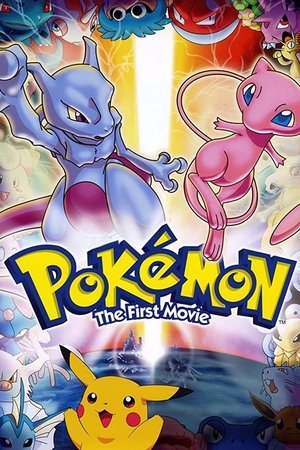
The Pokémon film collection is a long-running series of animated features that extends the adventures of the globally beloved Pokémon anime. Originating alongside the television series in the late 1990s, the films initially served as companion pieces to the ongoing narrative, following Ash Ketchum and his Pikachu as they encountered rare and legendary Pokémon in cinematic, self-contained stories. The early entries, beginning with 'Pokémon: The First Movie' in 1998, captured the peak of the late-90s Pokémon phenomenon and became a staple of the franchise's multimedia expansion, often distributed internationally by Warner Bros. during the anime's original broadcast run.
Over the decades, the collection evolved in tandem with the video game generations, with each film typically showcasing the mythical or legendary Pokémon introduced in the corresponding game release. This structure allowed the movies to function as both standalone adventures and promotional showcases for new creatures, while maintaining a consistent focus on themes of friendship, coexistence between humans and Pokémon, and the wonder of discovery. As the anime's continuity progressed through regions like Johto, Hoenn, Sinnoh, and beyond, the films mirrored these settings and introduced a rotating cast of supporting characters alongside the perennial heroes.
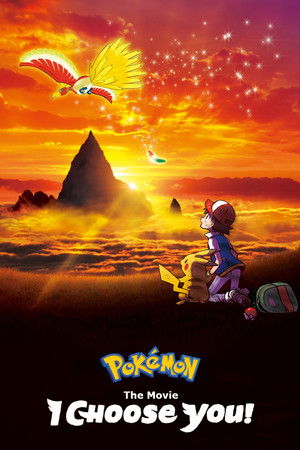
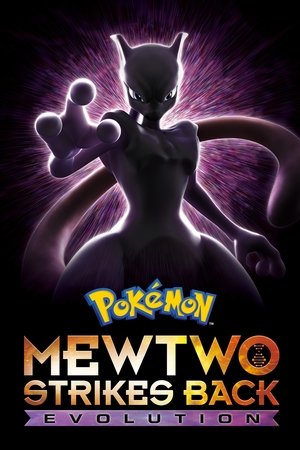
A significant shift occurred in the late 2010s when the film series began to depart from the main anime timeline. Starting with 'Pokémon the Movie: I Choose You!' in 2017, the collection embraced a reboot approach, retelling and reimagining Ash's origin story in an alternate continuity. This creative direction continued with subsequent entries, including a CGI remake of the first film, allowing the collection to explore nostalgic narratives while appealing to both new audiences and longtime fans. This period marked a transition from being direct extensions of the TV series to more experimental, standalone cinematic experiences.
The Pokémon film collection stands as a testament to the franchise's enduring cross-media legacy. With over two dozen theatrical releases spanning more than two decades, it has consistently delivered family-friendly adventures that reinforce the core values of the Pokémon world. While individual entries vary in critical reception, the collection as a whole remains a culturally significant component of one of the most successful entertainment properties in history, offering a cinematic entry point for each new generation of trainers.

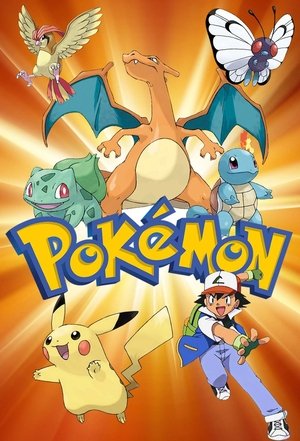
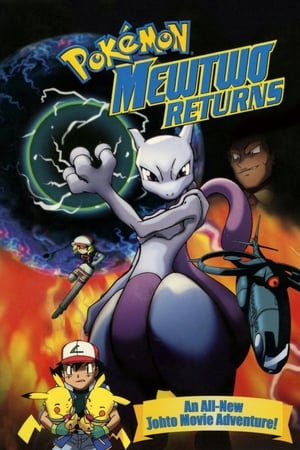
A collection of films in the Pokémon anime canon from Indigo League to Master Quest.