🎬 Pokémon: Destiny Deoxys (2004)
Part of Pokémon: Advanced Generation
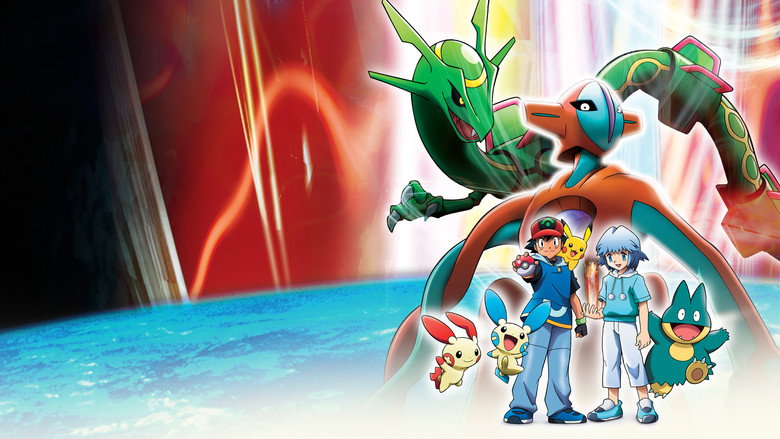
Pokémon: Destiny Deoxys is the seventh feature film in the long-running Pokémon anime series and the second entry in the Advanced Generation era, released in Japanese theaters on July 17, 2004. Like all films in the franchise, it draws its world and characters from the Pokémon video games created by Game Freak, which first launched on the Game Boy in 1996 and sparked a global multimedia phenomenon. The film was directed by Kunihiko Yuyama, the veteran animation director who has helmed nearly every Pokémon movie since the franchise's theatrical debut.
The story centers on the arrival of a mysterious meteorite that carries two egg-shaped objects to Earth. One hatches into Deoxys, a DNA-inspired alien Pokémon with the ability to shift between four distinct forms, while the other contains a green companion orb. The meteorite's descent draws the attention of Rayquaza, the legendary sky guardian, leading to a dramatic confrontation in the upper atmosphere. The film notably marks the anime debut of Deoxys, a Mythical Pokémon originally introduced in the Generation III games Pokémon Ruby and Sapphire, and explores its unique form-changing abilities in a narrative that blends science fiction with the franchise's signature themes of friendship and understanding.
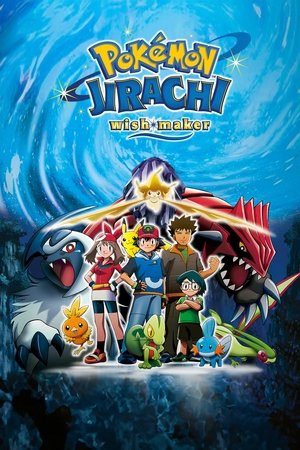
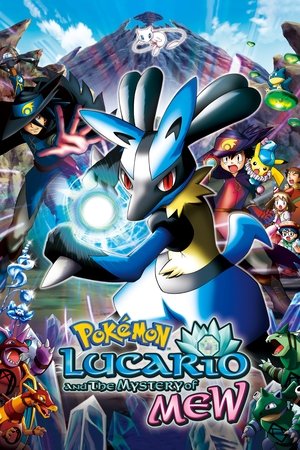
The English-language adaptation was produced by 4Kids Entertainment, the studio responsible for localizing the Pokémon anime during its early years, and distributed by Miramax Films. It premiered on Kids' WB in the United States on January 22, 2005, continuing the tradition of bringing the Japanese theatrical films to Western audiences through television broadcasts. The film's Japanese ending theme, 'Lovely (Yumemiru Lovely Boy)' by Tommy February6, was replaced in the English version with 'This Side of Paradise' by Bree Sharp. Destiny Deoxys sits within the Advanced Generation Collection alongside films like Jirachi Wish Maker and Lucario and the Mystery of Mew, representing the franchise's continued theatrical success during the Ruby and Sapphire era of the games and anime.

Pokémon is a media franchise created by Satoshi Tajiri and Ken Sugimori, first released in 1996 by Nintendo and Game Freak. The franchise began as a pair of role-playing video games for the Game Boy, which introduced the concept of creatures called Pokémon that humans, known as Pokémon Trainers, catch and train to battle each other for sport. The games are set in fictional regions inspired by real-world locations, each with unique species of Pokémon, and involve the player collecting badges, thwarting villainous teams, and becoming the Pokémon Champion.
The Pokémon video game series has become one of the best-selling video game franchises of all time, with core installments on every Nintendo handheld console. The games' mechanics, including type matchups, evolution, and trading, have become iconic. The franchise expanded into a global phenomenon encompassing an anime series, trading card game, movies, toys, and more. Its themes of friendship, discovery, and adventure have resonated with audiences worldwide, making Pokémon a cultural touchstone since the late 1990s.
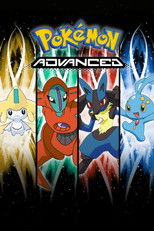
Pokémon: Advanced Generation refers to the sixth season of the Pokémon anime television series and its associated films. Corresponding to the Ruby, Sapphire, and Emerald video games, this era follows Ash Ketchum's adventures in the Hoenn region with new companions May and Max. The Advanced Generation era introduced the concept of Pokémon Contests alongside traditional gym battles, expanding the anime's focus beyond battles to include performance competitions.
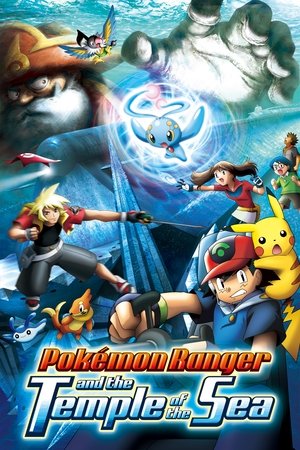
The film collection from this era includes four feature films: Jirachi: Wish Maker (2003), Destiny Deoxys (2004), Lucario and the Mystery of Mew (2005), and Pokémon Ranger and the Temple of the Sea (2006). These films introduced legendary Pokémon central to the Hoenn region and expanded the anime's cinematic scope with increasingly ambitious storytelling and animation. Lucario and the Mystery of Mew remains particularly notable for its emotional depth and exploration of the bond between humans and Pokémon.
---

The Pokémon film collection is a long-running series of animated features that extends the adventures of the globally beloved Pokémon anime. Originating alongside the television series in the late 1990s, the films initially served as companion pieces to the ongoing narrative, following Ash Ketchum and his Pikachu as they encountered rare and legendary Pokémon in cinematic, self-contained stories. The early entries, beginning with 'Pokémon: The First Movie' in 1998, captured the peak of the late-90s Pokémon phenomenon and became a staple of the franchise's multimedia expansion, often distributed internationally by Warner Bros. during the anime's original broadcast run.
Over the decades, the collection evolved in tandem with the video game generations, with each film typically showcasing the mythical or legendary Pokémon introduced in the corresponding game release. This structure allowed the movies to function as both standalone adventures and promotional showcases for new creatures, while maintaining a consistent focus on themes of friendship, coexistence between humans and Pokémon, and the wonder of discovery. As the anime's continuity progressed through regions like Johto, Hoenn, Sinnoh, and beyond, the films mirrored these settings and introduced a rotating cast of supporting characters alongside the perennial heroes.
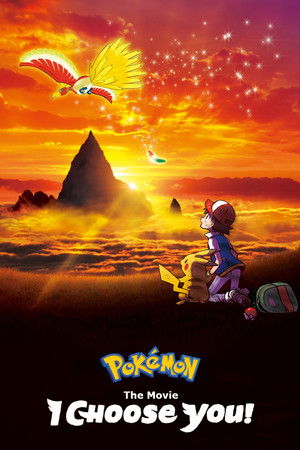
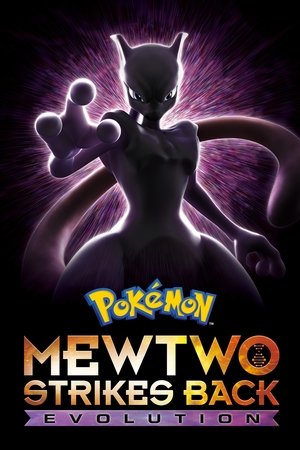
A significant shift occurred in the late 2010s when the film series began to depart from the main anime timeline. Starting with 'Pokémon the Movie: I Choose You!' in 2017, the collection embraced a reboot approach, retelling and reimagining Ash's origin story in an alternate continuity. This creative direction continued with subsequent entries, including a CGI remake of the first film, allowing the collection to explore nostalgic narratives while appealing to both new audiences and longtime fans. This period marked a transition from being direct extensions of the TV series to more experimental, standalone cinematic experiences.
The Pokémon film collection stands as a testament to the franchise's enduring cross-media legacy. With over two dozen theatrical releases spanning more than two decades, it has consistently delivered family-friendly adventures that reinforce the core values of the Pokémon world. While individual entries vary in critical reception, the collection as a whole remains a culturally significant component of one of the most successful entertainment properties in history, offering a cinematic entry point for each new generation of trainers.