🎬 Pokémon Ranger and the Temple of the Sea (2006)
Part of Pokémon: Advanced Generation
Pokémon Ranger and the Temple of the Sea is the ninth feature film in the long-running Pokémon anime series, released in Japanese theaters in 2006. It serves as the final cinematic entry of the Ruby and Sapphire era, taking place during the Battle Frontier arc of the television show. The film draws its world and characters from the Pokémon video game franchise, which began in 1996 with Pokémon Red and Green on the Game Boy, created by Satoshi Tajiri. While the movie is an original story not directly adapting any single game, it prominently features the Mythical Pokémon Manaphy, a creature first introduced in the Generation IV games Pokémon Diamond and Pearl, making this film an early preview of the next generation of the franchise.
The story follows Ash Ketchum and his companions as they become entangled with a Pokémon Ranger named Jack Walker, who is tasked with protecting a Manaphy egg and delivering it to the undersea temple of Samiya. The film incorporates elements from the Pokémon Ranger spin-off game series, with the title character using a Capture Styler to temporarily command wild Pokémon rather than catching them in Poké Balls. This crossover approach was a hallmark of the later Pokémon films, blending the anime's established cast with mechanics and characters from the broader video game universe.
Notably, Pokémon Ranger and the Temple of the Sea marked a significant behind-the-scenes shift for the franchise's English localization. It was the first Pokémon film to be dubbed not by 4Kids Entertainment, which had handled all previous movies and the television series up to that point, but by The Pokémon Company International. This transition reflected the company's move to bring localization in-house, resulting in a voice cast change that would continue for all subsequent Pokémon media. The film received a mixed critical reception but remains a fan favorite for its emotional story centered on May's maternal bond with Manaphy and its spectacular underwater sequences.

Pokémon is a media franchise created by Satoshi Tajiri and Ken Sugimori in 1996, originating as a pair of video games for the Game Boy: Pokémon Red and Green (released internationally as Red and Blue). The games are set in a fictional world where humans, known as Pokémon Trainers, catch and train creatures called Pokémon to battle each other for sport. The core gameplay involves exploring regions, capturing wild Pokémon using Poké Balls, and battling other trainers to earn Gym Badges and become the Pokémon Champion. The franchise's central theme is friendship, adventure, and the bond between humans and Pokémon.
The Pokémon video games have become the best-selling video game franchise of all time, with over 440 million copies sold worldwide as of 2024. The success of the games spawned a vast multimedia empire including an anime television series, trading card game, movies, toys, and countless other products. The franchise has had a profound cultural impact, introducing iconic characters like Pikachu and Charizard to global popular culture, and remains one of the most recognizable and lucrative entertainment properties in the world.
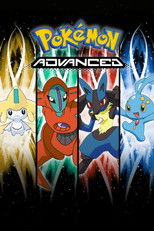
Pokémon: Advanced Generation refers to the sixth season of the Pokémon anime television series and its associated films. Corresponding to the Ruby, Sapphire, and Emerald video games, this era follows Ash Ketchum's adventures in the Hoenn region with new companions May and Max. The Advanced Generation era introduced the concept of Pokémon Contests alongside traditional gym battles, expanding the anime's focus beyond battles to include performance competitions.
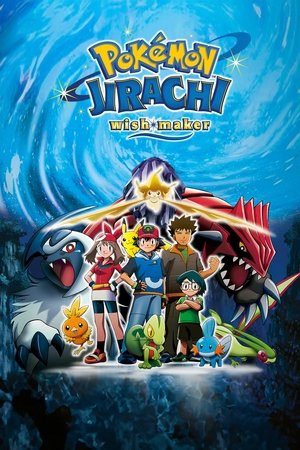
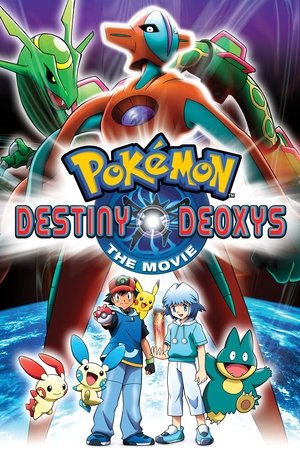
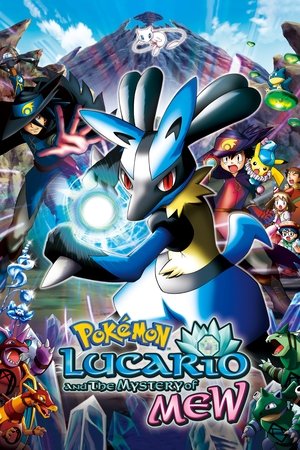
The film collection from this era includes four feature films: Jirachi: Wish Maker (2003), Destiny Deoxys (2004), Lucario and the Mystery of Mew (2005), and Pokémon Ranger and the Temple of the Sea (2006). These films introduced legendary Pokémon central to the Hoenn region and expanded the anime's cinematic scope with increasingly ambitious storytelling and animation. Lucario and the Mystery of Mew remains particularly notable for its emotional depth and exploration of the bond between humans and Pokémon.
---

The Pokémon film collection is a long-running series of animated features that extends the adventures of the globally beloved Pokémon anime. Originating alongside the television series in the late 1990s, the films initially served as companion pieces to the ongoing narrative, following Ash Ketchum and his Pikachu as they encountered rare and legendary Pokémon in cinematic, self-contained stories. The early entries, beginning with 'Pokémon: The First Movie' in 1998, captured the peak of the late-90s Pokémon phenomenon and became a staple of the franchise's multimedia expansion, often distributed internationally by Warner Bros. during the anime's original broadcast run.
Over the decades, the collection evolved in tandem with the video game generations, with each film typically showcasing the mythical or legendary Pokémon introduced in the corresponding game release. This structure allowed the movies to function as both standalone adventures and promotional showcases for new creatures, while maintaining a consistent focus on themes of friendship, coexistence between humans and Pokémon, and the wonder of discovery. As the anime's continuity progressed through regions like Johto, Hoenn, Sinnoh, and beyond, the films mirrored these settings and introduced a rotating cast of supporting characters alongside the perennial heroes.
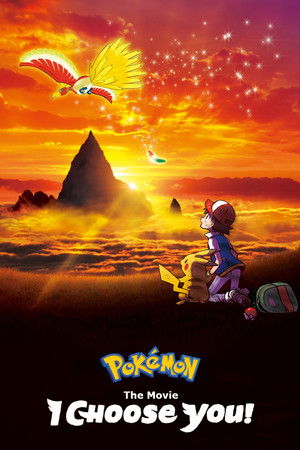
A significant shift occurred in the late 2010s when the film series began to depart from the main anime timeline. Starting with 'Pokémon the Movie: I Choose You!' in 2017, the collection embraced a reboot approach, retelling and reimagining Ash's origin story in an alternate continuity. This creative direction continued with subsequent entries, including a CGI remake of the first film, allowing the collection to explore nostalgic narratives while appealing to both new audiences and longtime fans. This period marked a transition from being direct extensions of the TV series to more experimental, standalone cinematic experiences.
The Pokémon film collection stands as a testament to the franchise's enduring cross-media legacy. With over two dozen theatrical releases spanning more than two decades, it has consistently delivered family-friendly adventures that reinforce the core values of the Pokémon world. While individual entries vary in critical reception, the collection as a whole remains a culturally significant component of one of the most successful entertainment properties in history, offering a cinematic entry point for each new generation of trainers.