📺 Ewoks (1985)
Part of Star Wars: The Ewok Adventures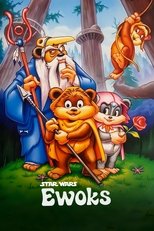
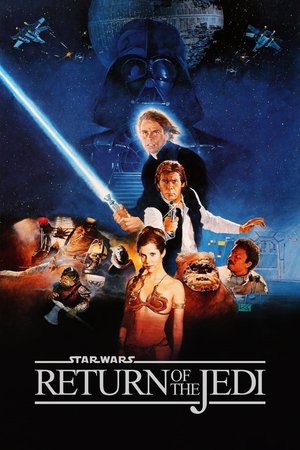
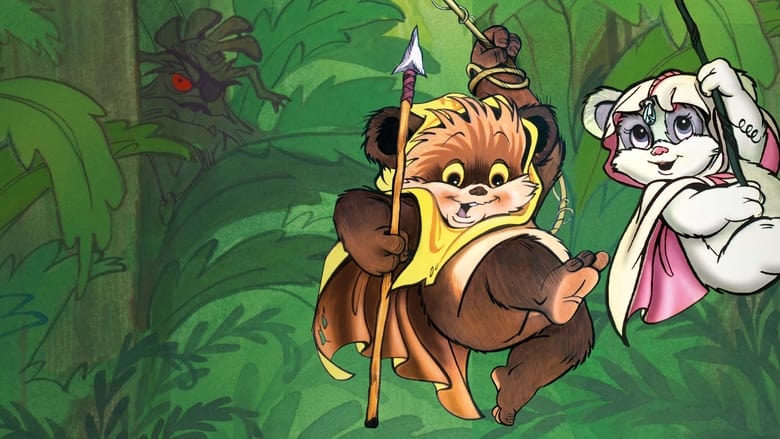
Ewoks is an animated television series that aired from 1985 to 1986, serving as a spin-off from the Star Wars universe. The show focuses on the adventures of the Ewok characters first introduced in the film Star Wars: Episode VI – Return of the Jedi. Set on the forest moon of Endor before the events of the original trilogy, it follows young Wicket W. Warrick and his friends as they encounter various threats, including the Tulgah witch Morag and the rival Dulok species.
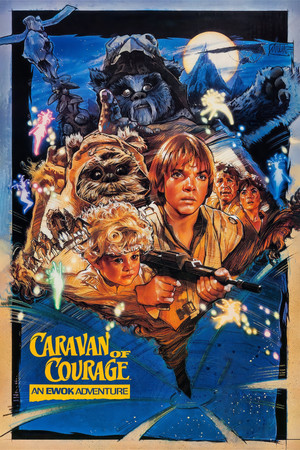
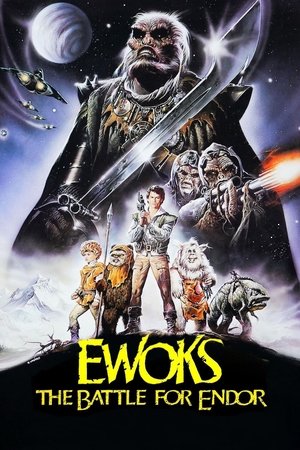
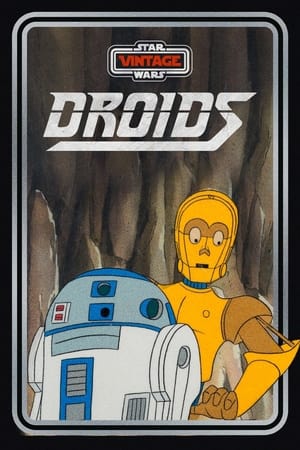
Co-produced by Nelvana and Lucasfilm, Ewoks originally aired on ABC as part of The Ewoks and Droids Adventure Hour, later continuing as The All-New Ewoks. The series aimed to capitalize on the popularity of the Ewoks following their introduction in Return of the Jedi and the subsequent television movies Caravan of Courage and Ewoks: The Battle for Endor. The animation style and lighthearted tone were designed to appeal to younger audiences, diverging from the more epic scope of the live-action films.
A notable episode, 'Battle for the Sunstar', connects the series directly to the Star Wars saga by having the Ewoks board an Imperial Star Destroyer and interact with Imperial forces, including a plot to assassinate the Emperor. This episode ties the series to the events of Return of the Jedi, where the Empire uses Endor as a base for the second Death Star. While not a major critical success, the series has remained a nostalgic part of the Star Wars expanded universe and introduced characters and lore that would later be referenced in other media.
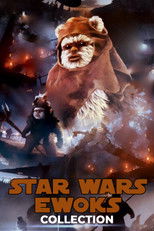
Originally conceived as a modest television special to entertain George Lucas's young daughter, the project quickly evolved into a feature-length television duology when network executives requested a longer format. Set within the expansive Star Wars universe, these stories shift the focus away from galactic wars and space operas to ground-level fantasy adventures on a remote forest moon. The narrative framework embraces classic quest and survival tropes, blending primitive tribal cultures with subtle sci-fi elements to create a unique hybrid genre experience.
Thematically, the series explores friendship, courage, and the bond between different species facing overwhelming odds. By placing human characters in a vulnerable position among a smaller, indigenous population, the stories invert traditional power dynamics and emphasize cooperation over conflict. The lush, natural settings and creature-driven storytelling were deliberately crafted to appeal to younger audiences while maintaining a connection to the broader mythos.
Culturally, the franchise holds a nostalgic place in the history of expanded universe storytelling. Released during a transitional period for the franchise, it demonstrated the creative team's willingness to experiment with tone and format outside of theatrical blockbusters. Though often viewed through a lens of retro charm today, these television films successfully introduced a new generation to the galaxy far, far away and remain a fascinating footnote in the evolution of cinematic world-building.
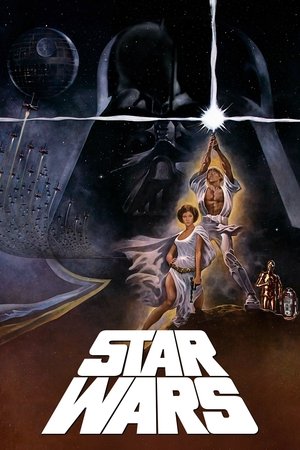
Star Wars is an American epic space-opera franchise created by George Lucas, which began with the 1977 film *Star Wars* (later subtitled *Episode IV: A New Hope*). It quickly became a worldwide pop-culture phenomenon, spawning sequels, prequels, spin-off films, television series, novels, comics, video games, and theme park attractions. Set in a distant galaxy, the franchise explores timeless themes of heroism, tyranny, redemption, and the mystical Force, weaving a sprawling narrative that has captivated audiences for generations.
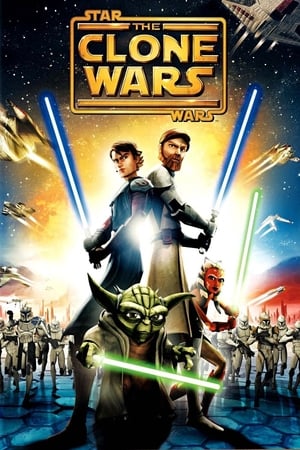
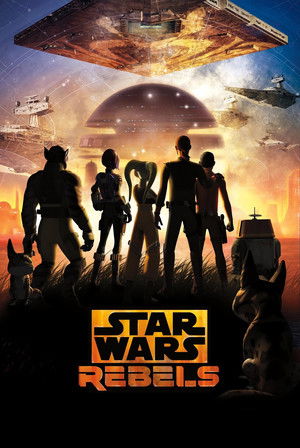
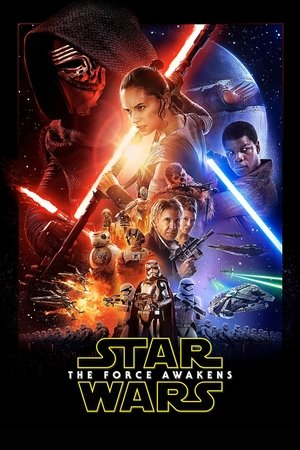
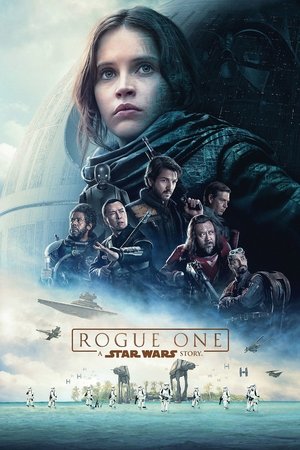
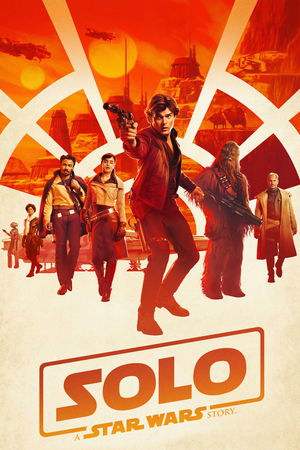
Over decades, the saga has expanded through multiple eras, from the original trilogy's classic battle between the Rebel Alliance and the Galactic Empire, to the prequel trilogy's tragic fall of Anakin Skywalker, and the sequel trilogy's rise of new heroes like Rey and Kylo Ren. Anthology stories, such as *Rogue One* and *Solo*, have deepened the lore, while animated series like *Star Wars: The Clone Wars* and *Star Wars Rebels* have fleshed out key characters and conflicts. This continuous expansion has shaped modern blockbuster filmmaking, introducing groundbreaking special effects and serialized storytelling that influenced countless other franchises.
Culturally, *Star Wars* has generated a devoted global fanbase, inspiring everything from merchandise and fan conventions to academic analysis and political discourse. Its iconic characters—Luke Skywalker, Darth Vader, Princess Leia, and Yoda—have become archetypes, while the Force has entered everyday language as a metaphor for balance and destiny. Despite shifts in ownership from Lucasfilm to Disney, the franchise remains a dominant force in entertainment, constantly reinventing itself through new media while honoring its mythic roots.
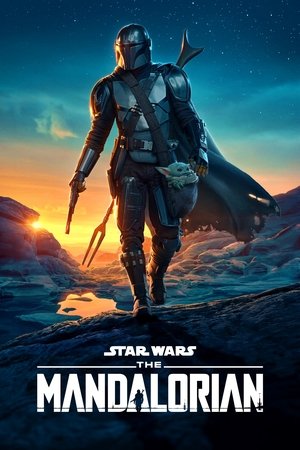
The franchise's legacy is marked by its pioneering use of visual effects, sound design, and musical scores, particularly the work of Industrial Light & Magic and composer John Williams. It has also been a trailblazer in transmedia storytelling, with the Expanded Universe (now branded as Legends) and the current canon encompassing a vast array of interconnected stories across different platforms. The acquisition by The Walt Disney Company in 2012 ushered in a new era of films, live-action series on Disney+ such as *The Mandalorian*, and immersive experiences like *Star Wars: Galaxy's Edge*, ensuring the saga's continued relevance and expansion.